
Snoring turns bedtime into a negotiation. One person wants silence. The other wants oxygen.
Sleep gadgets are everywhere right now, from apps to viral “hacks.” Some help. Many just add clutter to your nightstand.
If snoring is hurting sleep quality, an anti snoring mouthpiece is a simple, tool-based option worth understanding—especially before you gamble on trends.
Why is snoring suddenly such a big topic?
People are tired, and not in a poetic way. Travel fatigue, late-night screens, and workplace burnout all show up at bedtime. When sleep gets lighter, snoring gets louder—or at least feels louder.
There’s also more public talk about obstructive sleep apnea (OSA). You’ll see inspiring stories about people finally getting answers and support, which nudges others to take their own symptoms seriously. If you want a general reference point, see this An inspirational solution to obstructive sleep apnea from CommonSpirit Health.
Meanwhile, relationship humor keeps it relatable: “I love you, but your snoring is a third roommate.” Jokes aside, poor sleep can affect mood, patience, and focus for both people.
Is snoring “just noise,” or is it hurting sleep quality?
Even when snoring isn’t sleep apnea, it can still wreck rest. The snorer may have micro-arousals (tiny sleep disruptions). The partner may wake repeatedly and never reach deep sleep.
Pay attention to the daytime clues. If you’re foggy, irritable, or relying on caffeine like a life support system, sleep quality is already taking a hit.
Quick self-check: what’s happening in the morning?
- Dry mouth or sore throat
- Headaches
- Feeling “not refreshed” even after enough hours
- Partner reports gasping, choking, or breathing pauses
If breathing pauses are in the mix, don’t treat it like a DIY project. That’s a “get evaluated” situation.
What does an anti snoring mouthpiece actually do?
Most anti-snoring mouthpieces aim to improve airflow by changing position. The common design is a mandibular advancement device (MAD). It gently holds the lower jaw a bit forward, which can reduce airway collapse in some people.
Others focus more on tongue position. Either way, the goal is the same: less vibration, more open space, quieter breathing.
Who tends to do well with a mouthpiece?
- People whose snoring is worse on their back
- People who wake with dry mouth (often from open-mouth breathing)
- Light-to-moderate snorers without red-flag apnea symptoms
Who may need a different approach?
- People with heavy nasal congestion or chronic mouth breathing from blocked nasal passages
- Anyone with jaw pain that flares easily
- People with likely sleep apnea symptoms (pauses, gasping, severe daytime sleepiness)
Are viral sleep hacks (like mouth taping) a good substitute?
Trends move faster than physiology. Mouth taping has been popular on social media, including parent-focused conversations about safety. The problem is that “simple” isn’t the same as “appropriate for you.”
If your nose is even slightly blocked, taping can feel panicky. If you might have sleep apnea, you don’t want to experiment with airflow at 2 a.m. A mouthpiece is not risk-free, but it’s designed for airflow mechanics rather than forcing a behavior.
If you’re considering any trend-based sleep tool, treat it like you would a supplement: ask what problem it solves, what could go wrong, and what your backup plan is.
How do you choose a mouthpiece that’s comfortable (and you’ll actually use)?
The best device is the one you can tolerate night after night. Comfort is the difference between “worked for three nights” and “still using it two months later.”
Fit: start conservative
Over-advancing the jaw can cause soreness and a fast quit. If your mouthpiece allows adjustment, begin with the smallest change that reduces snoring. Give it several nights before you tweak again.
Positioning: reduce the back-sleep trap
Mouthpieces can pair well with simple positioning. A body pillow, a backpack-style positional aid, or a firmer pillow setup can keep you from rolling flat onto your back.
Open-mouth breathing: consider a combo approach
Some people snore because the jaw drops and the mouth falls open. If that sounds like you, a chinstrap can help support a closed-mouth posture while the mouthpiece does its job.
If you want a starting point to explore, see this anti snoring mouthpiece.
What’s the simplest routine for cleaning and upkeep?
Keep it boring. Boring is how you avoid funky smells, cloudiness, and premature wear.
- Rinse after each use.
- Brush gently with mild soap (skip harsh toothpaste unless the instructions allow it).
- Air-dry fully before storing.
- Use cool or lukewarm water unless the product specifically supports heat.
If you travel a lot, add a vented case to your kit. Travel fatigue is real, and nobody wants to pack a damp mouthpiece into a sealed bag.
When is snoring a sign you should get checked for sleep apnea?
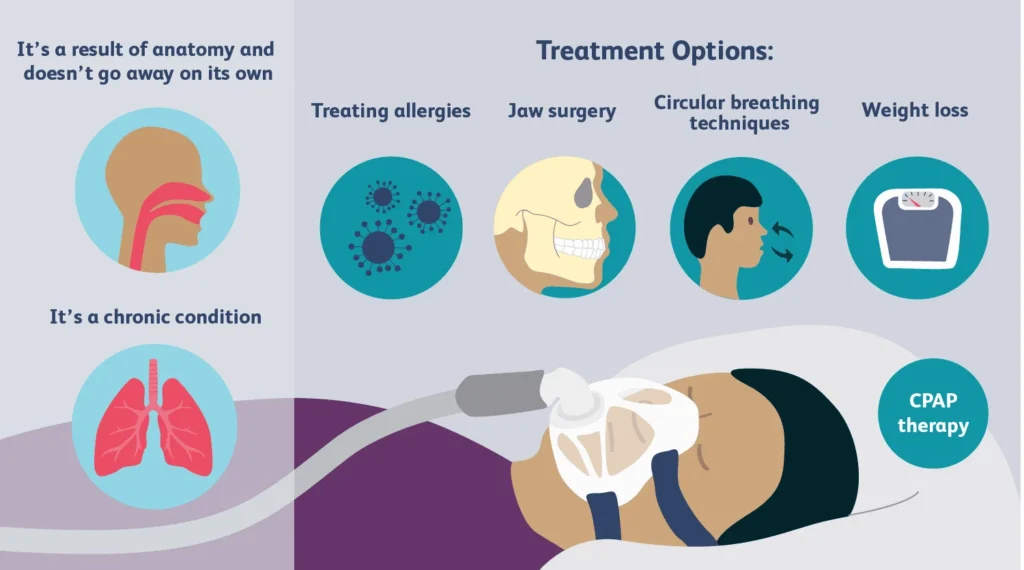
Snoring can be harmless, but sleep apnea is a medical condition. It’s commonly associated with loud snoring, breathing pauses, and daytime sleepiness. Some people also notice mood changes, trouble concentrating, or morning headaches.
If any of those fit, prioritize a professional evaluation. A mouthpiece may still be part of the plan, but you’ll want the right plan.
FAQ: quick answers people ask before they buy
Will a mouthpiece stop snoring immediately?
Sometimes, but not always. Many people need a short adjustment period and a few fit tweaks.
Can I use a mouthpiece if I have TMJ?
It depends on your symptoms and device design. If you have jaw clicking, pain, or locking, talk to a dentist or clinician before using one.
What if my partner snores too?
Make it a team project. Two snorers can create a feedback loop of poor sleep. Consider staggered solutions: positioning, nasal support, and mouthpieces as appropriate.
Try a tool-first reset (without the gimmicks)
If snoring is affecting your sleep, start with one change you can stick with for two weeks. A well-fitted mouthpiece, better sleep position, and a consistent cleanup routine often beat chasing nightly “new hacks.”
How do anti-snoring mouthpieces work?
Medical disclaimer: This article is for general education only and is not medical advice. Snoring can be a sign of obstructive sleep apnea or other health issues. If you have breathing pauses, gasping, chest pain, severe daytime sleepiness, or persistent symptoms, seek evaluation from a qualified clinician.