
Q: Is snoring “just noise,” or is it hurting your sleep?
Q: Are sleep gadgets and trends actually helping—or just draining your budget?
Q: Where does an anti snoring mouthpiece fit if you want a practical at-home reset?
Those are the right questions right now. People are talking about sleep health more than ever—burnout, travel fatigue, and the “I can’t believe I’m researching this at 1 a.m.” phase that turns into a cart full of gadgets. Let’s turn the noise into a plan you can actually follow.
Overview: why snoring is getting more serious attention
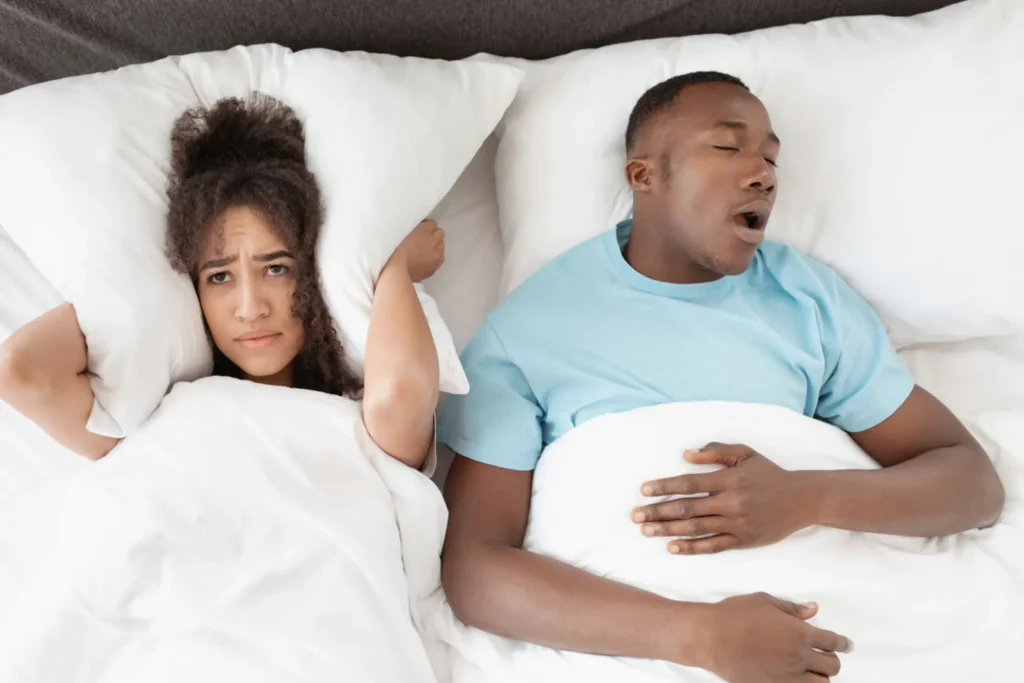
Snoring often shows up as relationship humor (“I’m sleeping on the couch again”), but it can also be a sign that airflow is partly blocked during sleep. That matters because poor sleep quality doesn’t stay in the bedroom. It can spill into focus, mood, workouts, and work performance.
Recent health coverage has also pushed a bigger point into the mainstream: snoring can be connected to sleep apnea, and sleep apnea is associated with broader health risks. You don’t need to panic, but you also don’t need to ignore it.
If you want a general starting point on the bigger health conversation, see Sleep Apnea and Your Heart: Why Snoring Isn’t Just a Nuisance – NewYork-Presbyterian.
Timing: when to try a mouthpiece vs. when to get checked
Use timing as your budget filter. If snoring is occasional and tied to obvious triggers, you can often try a short, structured experiment at home.
Good time for a 2-week at-home trial
- Snoring is worse after alcohol, big late meals, or back-sleeping.
- You wake up with dry mouth or a sore throat, but you don’t have scary symptoms.
- Travel fatigue makes everything worse, then it improves when you’re back to a routine.
Don’t wait if these show up
- Breathing pauses, choking, or gasping reported by a partner.
- Major daytime sleepiness, near-misses while driving, or morning headaches.
- High blood pressure or heart concerns—especially if snoring is loud and nightly.
Those patterns can overlap with sleep apnea. A clinician can guide testing and options, including oral appliances and other therapies.
Supplies: a simple, low-waste setup
You don’t need five apps and a smart ring to start. Here’s a practical kit that keeps you from buying duplicates.
- Snore notes: phone voice memo or a basic snore app (only for trends, not diagnosis).
- Sleep position help: extra pillow, wedge, or a backpack/tennis-ball trick to reduce back-sleeping.
- Nasal support (optional): saline rinse or nasal strips if congestion is part of your story.
- Oral option: an anti-snoring mouthpiece if jaw/tongue position seems to be the issue.
If you’re comparing products, this is the category to look at: anti snoring mouthpiece.
Step-by-step (ICI): a budget-friendly mouthpiece trial
This is an ICI plan: Identify your pattern, Choose one change, then Iterate based on results. It keeps you from changing everything at once and learning nothing.
I — Identify your snoring pattern (3 nights)
Pick three typical nights. Track these quick items in your notes:
- Back vs. side sleeping
- Alcohol and late meals
- Nasal congestion
- How you feel at 10 a.m. (alert, foggy, headache)
Also ask your partner one simple question: “Was it constant, or in bursts?” Bursts with silence can be a red flag to discuss with a clinician.
C — Choose one primary tool (7–14 nights)
If your notes suggest your jaw drops back or your mouth falls open, an anti snoring mouthpiece may be worth a focused trial. Many designs work by gently repositioning the jaw or stabilizing the mouth so the airway stays more open.
Keep the rest of your routine steady. This is where most people waste a cycle—new pillow, new supplement, new gadget, and a new bedtime all in the same week.
I — Iterate with small adjustments (every 3 nights)
Adjust only one variable at a time:
- If comfort is the issue, shorten wear time for two nights, then build up.
- If snoring improves but you still wake up tired, tighten your sleep window and reduce late screens.
- If nothing changes, stop guessing and consider a clinical conversation.
Sleep tech headlines keep highlighting “connected care” and oral appliances that fit into monitored programs. That’s a useful direction, but you can still start with a simple at-home trial—then escalate if the data and symptoms point that way.
Mistakes that waste money (and sleep)
Stacking too many trends at once
Mouth taping is a popular talking point lately. So are wearables, special pillows, and “biohacks.” Trendy doesn’t mean wrong, but mixing four experiments makes results impossible to interpret.
Ignoring nasal breathing and routine basics
If your nose is blocked, a mouthpiece may not feel great. Handle the simple stuff first: hydration, allergy management, and a consistent sleep schedule.
Treating loud, nightly snoring like a joke
Relationship humor is normal. Still, if snoring is frequent and intense, it deserves a real plan. Your partner’s sleep counts too, and so does your long-term health.
FAQ: quick answers people want right now
Will a mouthpiece fix sleep quality by itself?
It can help if snoring is the main disruptor. Sleep quality also depends on total sleep time, stress, alcohol, and underlying sleep disorders.
How do I know if my snoring could be sleep apnea?
Common clues include loud snoring with choking/gasping, witnessed breathing pauses, and significant daytime sleepiness. A clinician can confirm with proper testing.
What if I travel a lot for work?
Travel fatigue often worsens snoring due to alcohol, irregular sleep, and back-sleeping in unfamiliar beds. A consistent pre-sleep routine plus a portable option like a mouthpiece can help you stay steady.
CTA: take the next step (without overbuying)
If you want a simple starting point, focus on one experiment for two weeks and track the result. If symptoms suggest sleep apnea, skip the guesswork and talk to a clinician.
How do anti-snoring mouthpieces work?
Medical disclaimer: This article is for general education only and isn’t medical advice. Snoring can be a symptom of sleep apnea or other conditions. If you have breathing pauses, choking/gasping, chest pain, severe daytime sleepiness, or concerns about heart health, seek evaluation from a qualified clinician.