
- Snoring isn’t just noise. It can be a sleep-quality problem for two people, not one.
- Sleep gadgets are having a moment. Mouthpieces, nasal strips, and trackers are trending because everyone wants a measurable “fix.”
- Scrolling steals sleep. Late-night doomscrolling can push bedtime later and make snoring feel worse the next day.
- Fit beats hype. Comfort, positioning, and cleaning decide whether a mouthpiece is usable long-term.
- Know the red flags. Some snoring needs medical evaluation, especially if breathing seems interrupted.
What people are talking about right now (and why)
Sleep has become a culture topic, not just a health topic. Between new sleep trackers, “smart” alarms, and influencer bedtime routines, it’s easy to feel like better sleep is one purchase away.
At the same time, more people are connecting the dots between habits and recovery. The conversation keeps circling back to basics: less late-night scrolling, more consistent schedules, and fewer things that fragment sleep.
Snoring fits into this trend because it’s public. It affects partners, roommates, and hotel neighbors. Add travel fatigue, a packed calendar, and workplace burnout, and patience runs thin fast. That’s where quick, practical tools like an anti snoring mouthpiece enter the chat.
Relationship humor, real consequences
People joke about “sleep divorce” (separate bedrooms) because it’s relatable. But repeated sleep disruption can change mood, focus, and stress tolerance. If snoring is turning nights into negotiations, it’s worth addressing with a plan instead of another pillow “experiment.”
What matters medically (the stuff worth taking seriously)
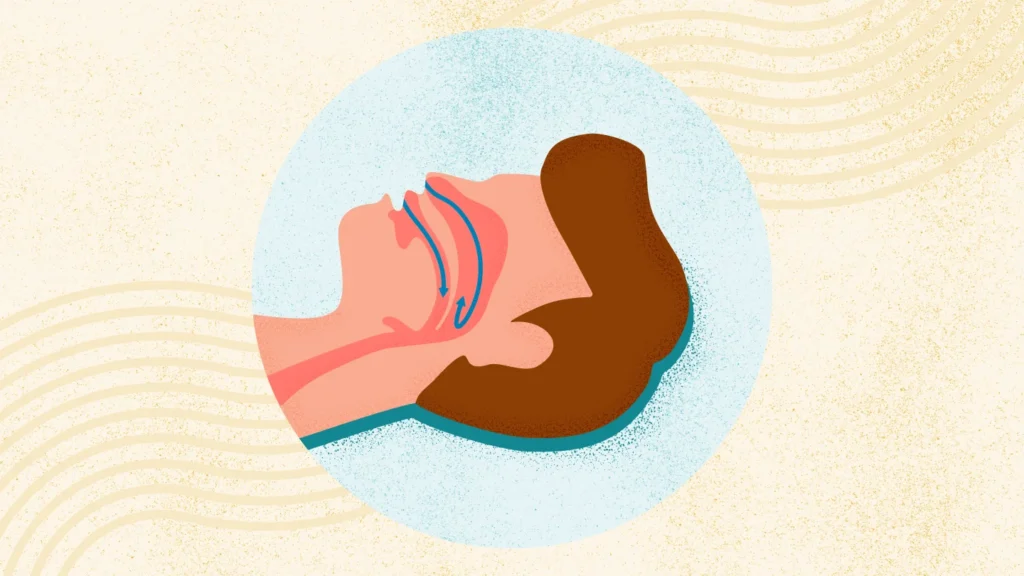
Snoring usually happens when airflow is partially blocked and soft tissues vibrate. That blockage can come from several places: the nose, the soft palate, the tongue, or the jaw position. That’s why one-size-fits-all advice fails.
Some headlines have also highlighted broader airway health conversations, including how early-life airway factors can influence breathing patterns. For adults, the takeaway is simple: airway mechanics matter, and small changes in position can change airflow.
Snoring vs. sleep apnea: don’t guess
Snoring can exist on its own. It can also show up with obstructive sleep apnea. If you suspect apnea, don’t self-diagnose with gadgets alone. Use credible guidance like “Don’t lose three hours by endlessly scrolling through social media,” 5 key sleep hygiene habits of highly successful people and how they help you sleep for longer after just one night to understand what warrants an evaluation.
Where mouthpieces fit (and where they don’t)
An anti-snoring mouthpiece is typically designed to reduce snoring by changing oral positioning during sleep. Many designs aim to keep the airway more open by adjusting jaw position or stabilizing the tongue.
That said, mouthpieces aren’t magic. If your main issue is nasal congestion, a mouthpiece may not address the bottleneck. Some people also explore nasal dilators; research summaries often describe mixed results depending on the person and the underlying cause.
How to try an anti-snoring mouthpiece at home (tools + technique)
If you’re trying a mouthpiece, treat it like a comfort-and-fit project, not a single-night test. The goal is a stable, repeatable setup you can actually sleep with.
Step 1: Pick a style you can tolerate
Start by browsing anti snoring mouthpiece and focus on wearability. If it feels bulky, you’ll “reject” it at 2 a.m. without realizing it.
Step 2: Nail the ICI basics (Insert → Comfort → Impact)
- Insert: Follow the fitting directions exactly. A sloppy fit can cause soreness or poor results.
- Comfort: Mild awareness is normal. Sharp pain, jaw locking, or headaches are not.
- Impact: Track outcomes for a week: partner feedback, morning dryness, wake-ups, and energy.
Step 3: Positioning tweaks that matter
- Side-sleep support: If you tend to roll onto your back, use pillow positioning to stay more lateral.
- Jaw relaxation: Clenching can sabotage comfort. A calmer pre-bed routine can help.
- Nasal support: If you’re stuffy, address that separately (humidification, routine hygiene). Don’t expect the mouthpiece to solve a nose problem.
Step 4: Cleanup that keeps it usable
Daily cleaning reduces odor, buildup, and that “why does this taste weird?” moment. Rinse after wear, brush gently, and let it dry fully. Replace it when it shows wear, warping, or persistent odor.
When to stop DIY and get help
Self-trying tools is reasonable for simple snoring. It’s not the right lane for serious symptoms. Consider medical evaluation if you notice any of the following:
- Choking, gasping, or witnessed pauses in breathing
- Excessive daytime sleepiness or morning headaches
- High blood pressure concerns, or you’re falling asleep unintentionally
- Snoring that persists despite consistent changes and a solid mouthpiece fit
Also talk to a dental professional if you have significant jaw pain, TMJ history, loose teeth, or major dental work. Mouthpiece choice and fit matter more in those cases.
FAQ
Do anti-snoring mouthpieces work for everyone?
No. They’re often most helpful when snoring is tied to mouth/jaw positioning. If the main blockage is nasal or related to sleep apnea, you may need a different approach.
What’s the difference between a mouthpiece and a nasal dilator?
A mouthpiece targets jaw/tongue position. A nasal dilator targets nasal airflow. Some people combine approaches, but results depend on the cause of snoring.
How long does it take to get used to a mouthpiece?
Expect an adjustment period. Many people settle in within days to a few weeks, especially when comfort and fit are prioritized.
Is loud snoring always sleep apnea?
No, but it can be. If you have pauses in breathing, choking, or significant daytime fatigue, get checked.
How do I clean an anti-snoring mouthpiece?
Rinse after use and clean daily. Avoid harsh chemicals unless the product instructions recommend them.
CTA: Make the next step simple
If your nights are getting eaten by scrolling, travel fatigue, or partner “elbow nudges,” pick one change you can repeat. A well-fit mouthpiece plus better bedtime timing is a practical place to start.
How do anti-snoring mouthpieces work?
Medical disclaimer: This article is for general information only and is not medical advice. Snoring can be a sign of a sleep-related breathing disorder. If you have severe symptoms, breathing pauses, chest pain, or significant daytime sleepiness, seek evaluation from a qualified clinician.