
Snoring isn’t just background noise. It can hijack your sleep quality and your next-day mood. It can also turn a normal bedtime into a running joke nobody enjoys.
If you want a budget-friendly, low-drama first step, an anti snoring mouthpiece can be a practical tool—when you use it for the right kind of snoring.
What people are talking about lately (and why it matters)
Sleep is having a moment. You’ll see it in the wave of sleep gadgets, app scores, and “biohacking” reels. You’ll also hear it in real life: travelers dealing with jet lag, couples negotiating bedtime peace, and burned-out workers trying to feel human again before Monday.
In that noise, snoring keeps popping up for one reason: it’s easy to notice. It’s loud, it’s disruptive, and it can be a clue that your breathing at night isn’t as smooth as it should be.
The medical part (plain language, no panic)
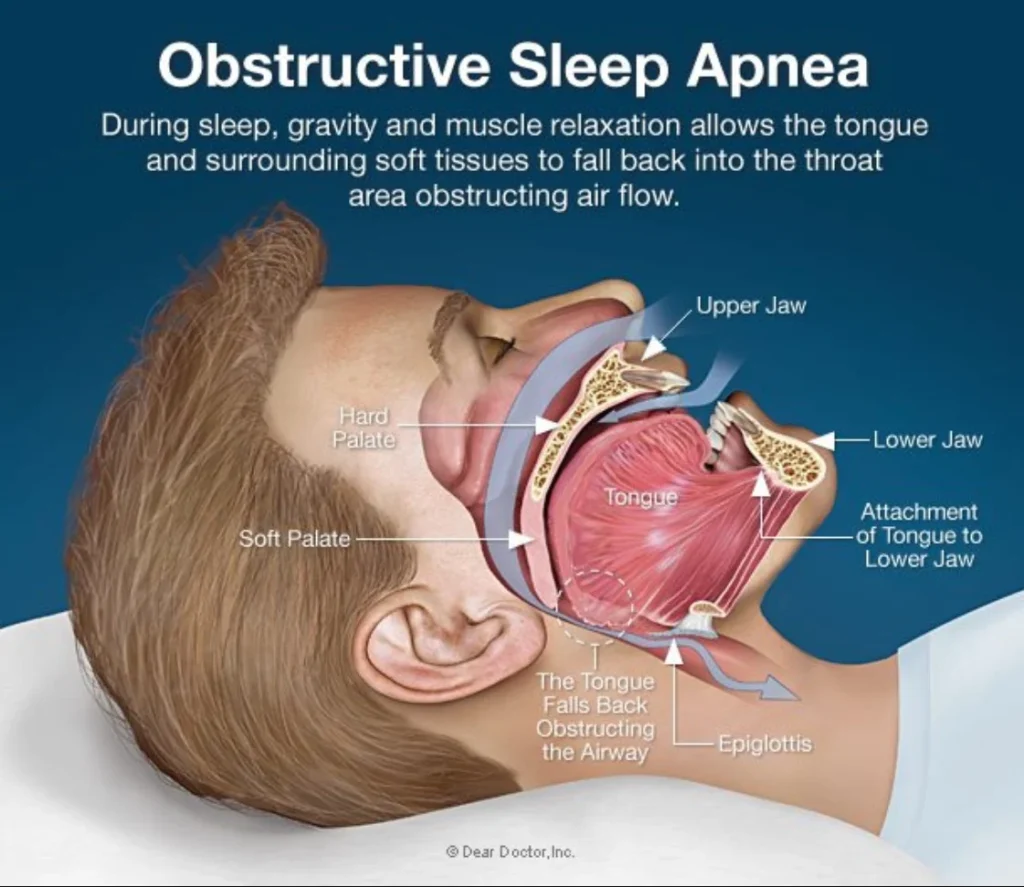
Snoring happens when airflow makes soft tissues in the throat vibrate during sleep. Common drivers include sleeping on your back, nasal congestion, alcohol near bedtime, and jaw or tongue position.
Sometimes, snoring is also associated with obstructive sleep apnea, a condition where the airway repeatedly narrows or closes during sleep. General medical guidance (like what major health systems describe) often mentions signs such as loud snoring, witnessed pauses in breathing, gasping or choking, and significant daytime sleepiness.
Snoring can be “just snoring.” But if you see red flags, treat it as a health topic, not only a relationship topic.
If you want a reputable overview of warning signs, read What is Sleep Apnea? and compare it to what you’re experiencing.
What you can try at home (without wasting a cycle)
Think of this as a quick experiment. Change one variable at a time so you can tell what actually helped.
Step 1: Get a simple baseline for 3 nights
Use a phone voice memo or a snore-tracking app. Keep it basic. Note bedtime, alcohol, congestion, and sleep position.
Step 2: Fix the obvious “cheap wins”
- Side sleeping: Back sleeping often makes snoring worse.
- Nasal airflow: Treat temporary congestion and consider a saline rinse if it’s appropriate for you.
- Timing: Avoid heavy meals and alcohol close to bedtime when possible.
- Bedroom setup: Cool, dark, and quiet beats another expensive gadget.
Step 3: Consider an anti snoring mouthpiece (the right use case)
Mouthpieces are popular because they’re relatively affordable and don’t require charging, subscriptions, or complicated setup. Many designs aim to keep the jaw or tongue in a position that helps maintain airflow.
If your snoring is worse on your back, worse after alcohol, or comes with dry mouth (suggesting mouth breathing), a mouthpiece may be worth a trial. If you mainly struggle with nasal blockage, start with nasal strategies first.
For people who want a combined approach, you can look at an anti snoring mouthpiece. The goal is simple: support better nighttime breathing without turning your nightstand into a tech store.
Step 4: Use a comfort-first checklist
- Fit: Follow the instructions closely. Poor fit can ruin sleep faster than snoring.
- Jaw comfort: Mild soreness can happen early on. Sharp pain isn’t a “push through it” situation.
- Consistency: Give it several nights before you judge it.
- Hygiene: Clean it daily to avoid odor and irritation.
When it’s time to stop DIY and get checked
Don’t negotiate with symptoms that point to something bigger than simple snoring. Talk to a clinician if you notice any of the following:
- Breathing pauses, choking, or gasping during sleep (reported by a partner or seen on recordings)
- Excessive daytime sleepiness, “microsleeps,” or drowsy driving risk
- Morning headaches, high blood pressure concerns, or heart risk factors
- Snoring that persists despite basic changes and a reasonable trial of an oral device
Testing can clarify whether you’re dealing with obstructive sleep apnea and what treatments make sense. That clarity saves money and time.
FAQ: quick answers before you buy
Is snoring always a sign of sleep apnea?
No. Snoring is common and can be benign. But loud, habitual snoring with pauses in breathing or major daytime fatigue deserves evaluation.
Will a mouthpiece help travel fatigue sleep?
It can help if travel makes you sleep on your back more or dries you out in hotel air. Still, hydration, schedule adjustments, and nasal comfort matter too.
What if my partner says the mouthpiece looks ridiculous?
That’s a normal moment. A quieter night usually wins the argument. Treat it like any other sleep tool: functional first.
Can I combine a mouthpiece with other snoring tips?
Often, yes. Side sleeping and nasal support can stack with an oral device. If you have TMJ issues or dental concerns, ask a clinician or dentist first.
CTA: make the next step simple
You don’t need a dozen sleep gadgets to make progress. Pick one change, track it, and keep what works.
How do anti-snoring mouthpieces work?
Medical disclaimer: This article is for general education only and isn’t medical advice. It doesn’t diagnose, treat, or replace care from a qualified clinician. If you suspect sleep apnea or have concerning symptoms, seek professional evaluation.