
Is snoring wrecking your sleep quality? Is your partner joking about “sleep divorce” after another loud night? Are you tempted by every new sleep gadget trend, but want one plan that’s actually doable?
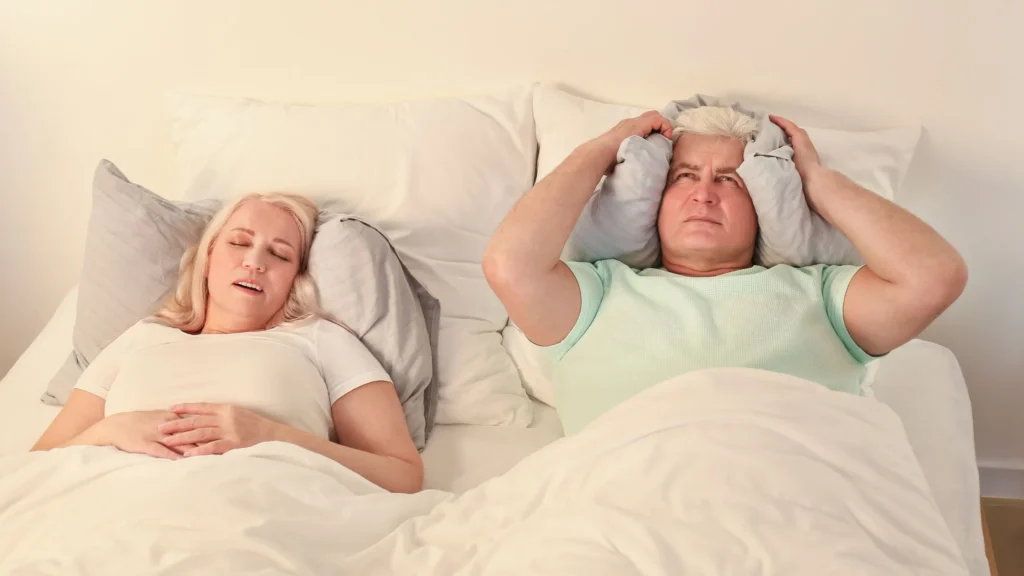
Here’s the direct answer: start with the basics that make snoring worse, then add an anti snoring mouthpiece when the pattern points to jaw/tongue position. Keep it simple. Track results for a week. Adjust once, not endlessly.
Overview: What people are talking about (and why it matters)
Sleep is having a moment. You see it in travel-fatigue chatter, workplace burnout posts, and the constant stream of “new fix” sleep gear. The common thread is the same: people want deeper sleep without turning bedtime into a second job.
Snoring sits right in the middle of that conversation. It’s loud, it’s social, and it’s disruptive. Parents feel it when kids wake up and everyone’s sleep fractures. Couples feel it when one person becomes the “light sleeper” by default.
If you’re looking for broader context around family sleep conversations, skim When Kids Don’t Sleep, Parents Don’t Either. Experts Share Tips for Better Family Sleep. The takeaway is simple: when one person’s sleep breaks, everyone pays for it.
Timing: When to test changes (so you don’t quit too early)
Most snoring plans fail because people change five things at once, on the worst week of the month, after a late flight. Then they decide “nothing works.” Fix the timing first.
Pick a “normal-ish” week
Choose 7 nights that aren’t packed with travel, late dinners, or early meetings. If daylight saving time shifts hit, expect a bumpy reset and don’t judge results on night one.
Use a two-phase trial
Phase 1 (Nights 1–3): habits only. Think position, alcohol timing, and a consistent wind-down.
Phase 2 (Nights 4–7): keep the same habits and add one tool—often an anti snoring mouthpiece if your snoring sounds worse on your back or improves when your jaw is supported.
Time it to your relationship reality
If snoring is causing tension, don’t wait for a “perfect” week. Start before resentment becomes the bedtime routine. A calm plan beats another 2 a.m. argument.
Supplies: What you need (and what you can skip)
You don’t need a drawer full of gadgets. You need a short list you’ll actually use.
- A simple sleep log (notes app is fine): bedtime, wake time, alcohol, congestion, position, and “partner rating” of snoring.
- Basic nasal support if you’re congested: saline rinse or shower steam. Keep it non-complicated.
- Side-sleep support: a body pillow or a pillow behind your back.
- An anti-snoring mouthpiece if your pattern fits (see step-by-step below). If you’re comparing options, start here: anti snoring mouthpiece.
What to skip for now: stacking multiple new interventions in the same week (mouth tape, new supplements, new trackers, new pillows). Too many variables kills clarity.
Step-by-step (ICI): Identify → Choose → Implement
This is the fast path that still respects your sleep health.
1) Identify your snoring pattern in 60 seconds
Answer these quickly:
- Back-sleeper snoring? If it’s louder on your back, position and jaw/tongue support matter.
- Congestion-driven? If it spikes with allergies or colds, start with nasal comfort and humidity.
- Late alcohol or heavy meals? If yes, your “snoring switch” may be timing-related.
- Daytime sleepiness or witnessed pauses? If yes, prioritize medical evaluation.
2) Choose one primary lever for 7 nights
Pick the lever that matches the pattern:
- Position lever: commit to side sleeping with a pillow setup.
- Timing lever: move alcohol earlier and keep late meals lighter.
- Airflow lever: reduce congestion triggers and keep the bedroom cool.
- Jaw/tongue lever: trial an anti snoring mouthpiece if your snoring suggests airway narrowing from relaxed jaw/tongue position.
3) Implement like a minimalist (so it sticks)
Night routine (10 minutes): set your pillow “rails,” do a quick nasal reset if needed, then lights down. Keep screens out of the last stretch when you can. Campus-style sleep hygiene advice often boils down to the same boring truth: consistency wins.
If you add a mouthpiece: aim for comfort first. A device you hate won’t make it past Thursday. Rinse it as directed, store it clean, and give yourself a short adjustment window.
Measure one outcome: “How many times did snoring wake someone up?” That’s more useful than chasing perfect sleep scores.
Mistakes that waste a whole month
Chasing trends instead of solving your bottleneck
Sleep gadgets are everywhere right now, and some are helpful. Still, snoring usually responds better to basics plus one targeted tool than to a pile of experiments.
Mixing mouth taping into the same week
Mouth taping gets attention in sleep circles, but it’s not a casual add-on for everyone. If nasal breathing is compromised, taping can backfire. Keep your plan safe and simple, and talk to a clinician if you’re unsure.
Ignoring red flags
Snoring can be harmless noise, but it can also signal sleep-disordered breathing. If you notice choking, gasping, breathing pauses, or extreme daytime fatigue, get evaluated rather than self-treating indefinitely.
Letting travel and burnout set the rules
Workplace burnout and travel fatigue push people into late nights and irregular routines. That’s also when snoring often gets worse. Don’t “test” your plan on a red-eye week and call it a failure.
FAQ (quick answers)
Does sleeping on your side help snoring?
Often, yes. Back sleeping can let the jaw and tongue fall back, narrowing the airway.
Do simple habit changes matter?
They can. Small timing shifts—like earlier alcohol and a consistent bedtime—often reduce snoring intensity for some people.
Is an anti snoring mouthpiece the same as a sports mouthguard?
No. Anti-snoring designs aim to support jaw/tongue position to help airflow. Sports guards mainly protect teeth from impact.
How do I know if my mouthpiece trial is working?
Look for fewer awakenings, less partner disturbance, and better morning energy over a week.
CTA: Make the next 7 nights quieter
If you’re ready to try a focused approach, start with one tool and one week. Explore options here, then commit to the trial without over-tweaking.
How do anti-snoring mouthpieces work?
Medical disclaimer: This article is for general education only and isn’t medical advice. Snoring with choking/gasping, breathing pauses, or significant daytime sleepiness should be evaluated by a qualified clinician.