
- Snoring is trending again because sleep gadgets are everywhere, and people are tired of being tired.
- Sleep quality beats “hours slept.” Fragmented sleep can leave you wrecked even after 8 hours in bed.
- An anti snoring mouthpiece can help when jaw position narrows the airway, but fit and comfort decide success.
- Travel fatigue and burnout make snoring feel louder—because lighter sleep makes everything feel louder.
- Relationship reality: snoring jokes are common, but chronic snoring can signal a real health issue.
What people are talking about right now (and why)
Sleep has become a full-on consumer category. You see smart rings, white-noise machines, mouth tape debates, and “sleep tourism” chatter. At the same time, workplace burnout and nonstop travel schedules push people into lighter, more fragile sleep. That’s the perfect setup for snoring to become the nightly headline at home.
There’s also more mainstream coverage of anti-snore devices and broader market growth discussions. Translation: more people are shopping for solutions, and more brands are competing for attention. That’s useful, but it can also create noise. You want a simple way to choose what’s worth trying.
If you want a quick scan of what’s being discussed in the broader news cycle, see Europe Anti-snoring Device Market Size and Forecast 2025–2033.
What matters medically (without the fluff)
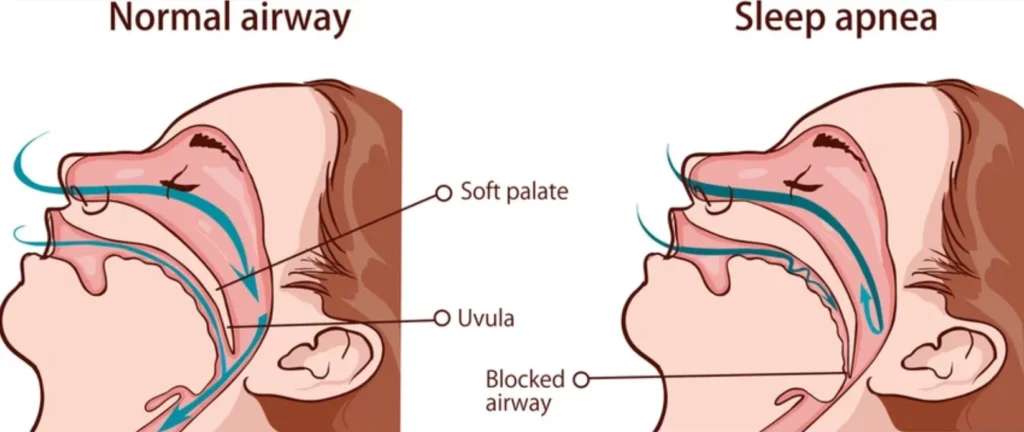
Snoring happens when airflow gets turbulent and soft tissues vibrate. That turbulence often increases when your airway is narrower—like when you sleep on your back, drink alcohol near bedtime, deal with nasal congestion, or carry extra tissue around the neck.
Snoring can be “just snoring,” but it can also overlap with obstructive sleep apnea (OSA). You can’t diagnose that at home with vibes. If there are breathing pauses, choking/gasping, or heavy daytime sleepiness, treat it as a medical signal, not a comedy bit.
Why sleep quality takes the hit
Even if you don’t fully wake up, snoring and breathing resistance can fragment sleep. That can show up as morning headaches, dry mouth, irritability, or brain fog. It also shows up as the classic: “I slept, but I’m not restored.”
Where an anti snoring mouthpiece fits
Most anti-snoring mouthpieces are designed to support airflow by changing positioning. Many are mandibular advancement devices (MAD-style), which gently bring the lower jaw forward. Some focus on tongue positioning. The goal is the same: reduce collapse and vibration by improving the airway space.
They’re popular because they’re portable, quiet, and don’t require power. That matters when you’re traveling, sharing a room, or trying not to turn your nightstand into a tech lab.
How to try at home (tools + technique that actually matter)
Start with the basics. Then add a mouthpiece if the pattern fits. This keeps you from buying five gadgets out of frustration.
Step 1: Quick self-check (2 minutes)
- Position: Is snoring worse on your back?
- Nose: Are you congested or mouth-breathing?
- Timing: Is it worse after alcohol or late heavy meals?
- Daytime: Are you unusually sleepy, foggy, or getting morning headaches?
Step 2: Low-effort fixes you can stack
- Side-sleep setup: Use a pillow strategy that keeps you from rolling flat on your back.
- Nasal support: If your nose is blocked, address congestion first (snoring often follows airflow).
- Bedroom cues: Cooler room, consistent schedule, and less late-night scrolling can reduce “light sleep” nights.
Step 3: Mouthpiece basics—fit, comfort, and ICI
If you’re trying an anti snoring mouthpiece, treat it like a small piece of sports equipment. It needs to fit, feel stable, and be easy to maintain.
- ICI = Insert, Comfort, Integrity. Insert it correctly each time. Comfort should improve over nights, not worsen. Integrity means it stays intact and clean.
- Start gentle: If your device allows adjustment, begin conservatively. More forward isn’t always better.
- Positioning check: Your bite should feel “different,” not painful. Sharp pain is a stop sign.
- Dry mouth plan: Keep water nearby. Dry mouth can happen early, especially if you mouth-breathe.
Step 4: Cleanup that prevents the “gross factor”
Most people quit because the device feels annoying or gets funky. Keep it simple.
- Rinse after use.
- Brush gently with a soft toothbrush (avoid harsh abrasives).
- Let it fully dry in a ventilated case.
- Replace when it shows wear, warping, or persistent odor.
If you’re comparing options, start here: anti snoring mouthpiece.
When to stop experimenting and get help
Home trials are fine for simple snoring. Don’t DIY your way through red flags.
- Urgent-ish signs: choking/gasping, witnessed breathing pauses, or severe daytime sleepiness.
- Health context: high blood pressure concerns, heart risk factors, or you’re falling asleep unintentionally.
- Mouth/jaw issues: persistent jaw pain, tooth pain, or bite changes that don’t resolve.
A clinician or sleep specialist can help rule out sleep apnea and guide device choice. That can save months of trial-and-error.
FAQ
Is snoring always a problem?
No. But frequent, loud snoring plus poor daytime function is worth taking seriously.
Will a mouthpiece fix snoring caused by nasal congestion?
It may not. If airflow is blocked at the nose, you’ll often do better addressing nasal breathing first.
Can I use an anti snoring mouthpiece when traveling?
That’s one of the main reasons people like them. They’re compact and don’t need electricity, which helps with hotel rooms and red-eye recovery.
CTA: pick a simple next step
If snoring is hurting your sleep quality (or your partner’s), don’t overcomplicate it. Start with positioning and nasal airflow, then consider a mouthpiece with a comfort-first approach.
How do anti-snoring mouthpieces work?
Medical disclaimer: This article is for general education only and is not medical advice. Snoring can be a symptom of obstructive sleep apnea or other conditions. If you have breathing pauses, choking/gasping, significant daytime sleepiness, or persistent symptoms, talk with a qualified healthcare professional.