
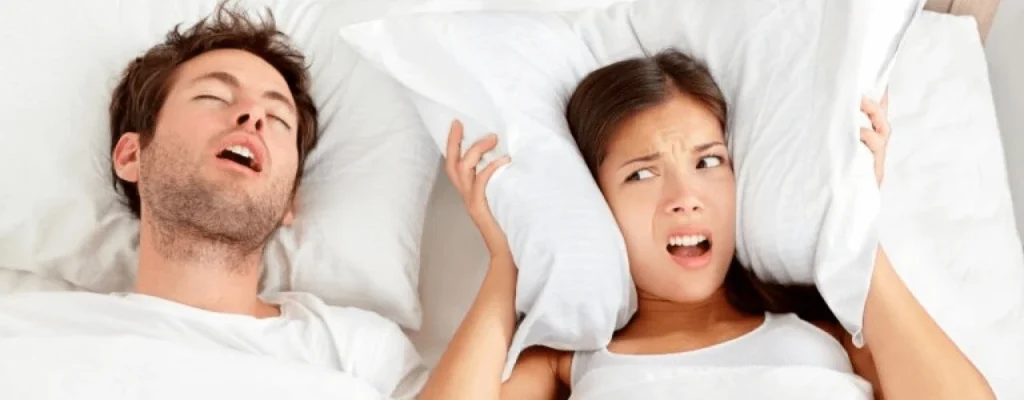
Snoring is funny until it’s not. One person laughs, the other person stares at the ceiling at 2:13 a.m. Then everyone pays for it at work.
Sleep gadgets are everywhere right now, from apps to wearables to “hacks” that trend for a week and vanish. It’s easy to get lost in the noise.
If snoring is hurting sleep quality, an anti snoring mouthpiece is one of the most practical, repeatable options to consider—especially when you want something simple and travel-friendly.
Why is everyone suddenly talking about snoring and sleep quality?
Because people feel the consequences in daylight hours. Poor sleep shows up as brain fog, short temper, and that “I need three coffees to be a person” feeling.
It’s also a relationship issue. Snoring turns bedtime into negotiation: who gets the quiet side, who wears earplugs, and who “accidentally” falls asleep on the couch.
Recent personal stories in the health space have also made one point clear: when sleep-breathing symptoms stack up, daily life takes a hit. If you’re curious about What I Wish I Knew: How Much OSA Symptoms Would Affect My Sleep and Daily Life, start there and keep your takeaways practical: notice patterns, then choose tools that match them.
What does an anti snoring mouthpiece actually do?
Most anti-snoring mouthpieces aim to improve airflow by changing oral positioning during sleep. Many designs gently encourage the lower jaw forward or help keep the mouth closed.
That matters because snoring often comes from vibration in relaxed tissues when airflow gets turbulent. A better airway setup can mean less vibration, less noise, and fewer micro-wakeups.
What it can help
- Partner-disturbing snoring that’s consistent and position-sensitive.
- Sleep continuity when snoring causes frequent arousals.
- Travel sleep when you’re dealing with hotel beds, dry air, and fatigue.
What it won’t magically fix
- Every cause of snoring (nasal congestion, alcohol effects, certain anatomy).
- Serious sleep-breathing disorders that require clinical evaluation and treatment.
- Burnout or stress overload. Better sleep helps, but it’s not a full solution by itself.
Is snoring just annoying, or could it be a health flag?
Sometimes it’s “just snoring.” Sometimes it’s a clue that breathing is getting disrupted at night.
Pay attention if snoring comes with choking/gasping, witnessed pauses in breathing, morning headaches, or heavy daytime sleepiness. Those are reasons to talk with a clinician and ask about screening.
Think of it like this: the sound is the symptom you can hear. The sleep quality is the symptom you feel.
How do you choose a mouthpiece without getting sucked into hype?
The market is crowded, and that’s not your imagination. Reports and roundups keep highlighting how many anti-snore products are competing for attention, often with flashy claims.
Keep your decision simple. Match the tool to your snoring pattern and your tolerance for nightly routines.
Use this quick checklist
- Comfort: You won’t use what you can’t sleep in.
- Stability: It should stay in place through the night.
- Breathing preference: Mouth-breather vs. nose-breather matters.
- Partner feedback: Track results with a simple 1–10 “noise score.”
What about mouth tape and other trending sleep “hacks”?
Mouth tape has been in the spotlight as a minimalist sleep trend. Some people like the idea of encouraging nasal breathing.
It’s not a universal solution, and it’s not the same thing as a mouthpiece. If you have nasal blockage, allergies, or you feel anxious when your mouth is taped, it can backfire.
If you’re experimenting, choose one variable at a time. Don’t stack tape, gadgets, supplements, and a new pillow all in the same week and expect clear answers.
How can you tell if a mouthpiece is improving sleep quality?
Don’t rely on “I think so” after one night. Use a short, repeatable test window.
A simple 10-night tracking plan
- Nights 1–3: Focus on fit and comfort. Note any jaw or tooth soreness.
- Nights 4–7: Track awakenings, dry mouth, and partner-reported snoring.
- Nights 8–10: Compare daytime energy and morning grogginess to baseline.
If you’re using a sleep wearable, treat it as supportive data, not a diagnosis. The goal is fewer disruptions and better mornings.
Which product type makes sense if your partner says you snore with your mouth open?
If open-mouth snoring is part of your pattern, a combo approach may be worth considering. Some people prefer a setup that supports jaw position and helps keep the mouth closed.
If you want a specific option to review, here’s a relevant product page for an anti snoring mouthpiece. Read the details, then compare it to your comfort needs and sleep habits.
When should you skip DIY and talk to a professional?
Don’t push through severe symptoms. If you suspect sleep apnea, have significant daytime sleepiness, or wake up gasping, get evaluated.
Also check in if you have ongoing jaw pain, dental concerns, or a history of TMJ issues. Fit and jaw positioning matter, and you want to protect your bite long-term.
FAQ: quick answers people ask right now
Can an anti snoring mouthpiece help with sleep quality?
Yes, especially if it reduces snoring-related awakenings. Results depend on the cause of your snoring and consistent use.
Is loud snoring always a sign of sleep apnea?
No, but it can be. Combine the sound with symptoms like pauses in breathing or daytime sleepiness when deciding to seek screening.
How long does it take to get used to a mouthpiece?
Often several nights to a couple of weeks. Stop and reassess if pain is sharp, worsening, or persistent.
What’s the difference between mouth tape and a mouthpiece?
Tape focuses on lip closure. A mouthpiece focuses on oral/jaw positioning. They’re not interchangeable.
Do anti-snoring mouthpieces work for side sleepers?
They can. Side sleeping can also reduce snoring for some people, so the combo may be helpful.
Next step: get a clear answer, not more noise
Snoring fixes don’t need to be complicated. Pick one approach, test it for long enough to learn something, and keep the goal focused on sleep quality.
How do anti-snoring mouthpieces work?
Medical disclaimer: This article is for general education only and isn’t medical advice. Snoring can have many causes, including sleep apnea. If you have concerning symptoms (gasping, breathing pauses, severe daytime sleepiness, chest pain, or worsening fatigue), talk with a qualified healthcare professional.