
Is your snoring “just annoying,” or is it hurting your sleep quality?
Are sleep gadgets and viral hacks actually helping, or just adding stress?
Could an anti snoring mouthpiece be a practical next step without overcomplicating your nights?
For many people, the answers are surprisingly simple: snoring is often a sleep-quality problem first, a relationship problem second, and sometimes a health signal you shouldn’t ignore. Let’s sort what people are talking about right now and turn it into a clear plan you can try at home.
What people are talking about right now (and why it matters)
Sleep has become a full-on “life optimization” category. You’ll see smart rings, sleep trackers, sunrise lamps, and travel-friendly gadgets everywhere. Add workplace burnout, late-night scrolling, and frequent trips that throw off your routine, and it’s no wonder snoring is getting extra attention.
Recent health chatter has also highlighted that a single nighttime habit can raise cardiovascular risk even in younger adults. Headlines like that make people look harder at sleep quality, not just sleep quantity. If your nights are fragmented by snoring, you may wake up feeling like you “slept,” but your body may disagree.
Meanwhile, social media trends keep cycling through quick fixes. Mouth taping is one of the loudest. It’s also one of the most misunderstood, especially for parents and anyone with nasal congestion or possible sleep apnea.
If you want a general reference point for the broader conversation about nighttime mistakes and heart risk, see this related coverage: Doctor reveals ‘1 mistake at night’ that increases heart attack risk in 20s and 30s even if you are healthy | Health.
What matters medically (without the scare tactics)
Snoring happens when airflow is partially blocked and soft tissues vibrate. That can come from nasal congestion, sleep position, alcohol close to bedtime, or anatomy in the mouth and throat.
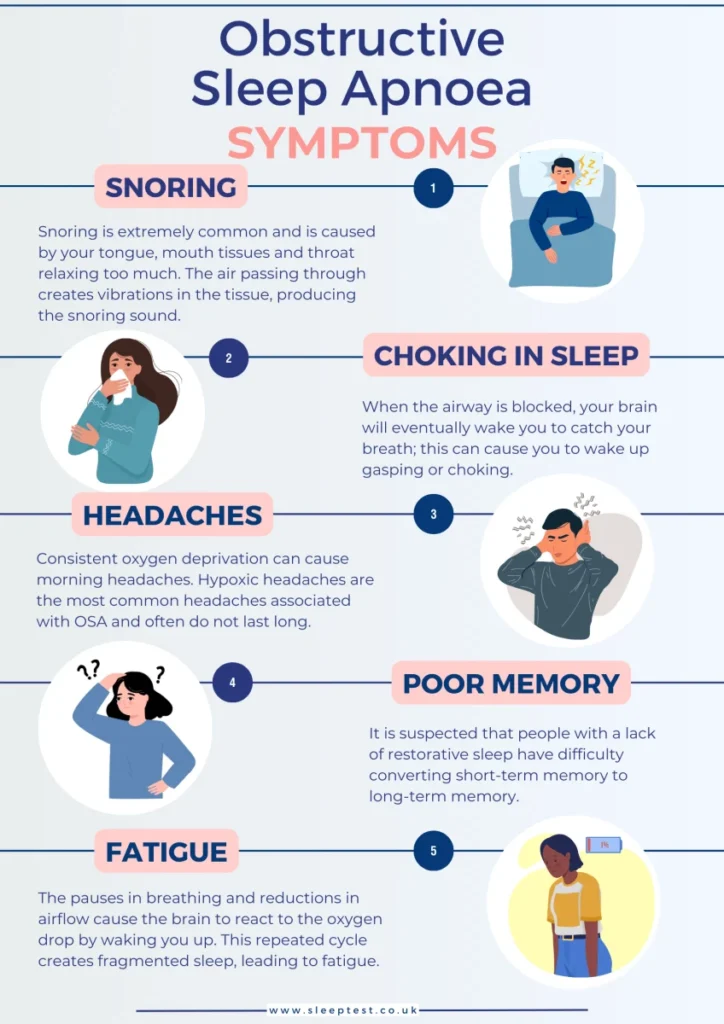
Sometimes snoring is “simple snoring.” Sometimes it’s a sign of obstructive sleep apnea (OSA), where breathing repeatedly narrows or pauses during sleep. OSA is worth taking seriously because it can affect oxygen levels, sleep continuity, and long-term health.
Clues your snoring may be more than noise
- Someone notices pauses in breathing, choking, or gasping
- You wake with headaches, dry mouth, or a racing heart
- You feel sleepy while driving or in meetings
- Your blood pressure is high or trending up
Also, it’s possible to snore even if you use CPAP for diagnosed sleep apnea. Mask fit, leaks, nasal blockage, and mouth breathing can all play a role. If that’s you, troubleshooting with a sleep clinician is the fastest path forward.
How to try this at home: a calm, step-by-step approach
You don’t need to buy five gadgets to learn something useful. Start with a simple experiment that respects comfort and safety.
Step 1: Do a 7-night “snore + sleep quality” check
Keep it basic. Each morning, rate (1–10) your sleep quality and note: alcohol late, heavy meal late, congestion, and sleep position. If you share a room, ask for a quick “snore report.” Relationship humor is optional, but it helps.
Step 2: Fix the easy stuff first
- Side-sleeping: Many people snore more on their back.
- Nasal airflow: If you’re congested, address that first (saline rinse, shower steam, or clinician-approved options).
- Timing: Avoid alcohol close to bedtime when possible. It can relax airway muscles.
- Travel fatigue reset: After flights or late work weeks, prioritize a consistent bedtime for a few nights.
Step 3: Consider an anti snoring mouthpiece (and set expectations)
An anti snoring mouthpiece is designed to reduce airway collapse by changing jaw or tongue position during sleep. Many people try one because it’s non-invasive and doesn’t require power, apps, or a subscription.
Look for a fit that feels stable but not painful. Expect an adjustment period. Mild jaw soreness or extra saliva can happen early on.
If you want a product option that pairs jaw support with a strap approach, here’s a related listing: anti snoring mouthpiece.
Step 4: Avoid risky “one-size-fits-all” hacks
Trends move fast, but your airway doesn’t. Mouth taping is a good example of something that may sound simple yet can be unsafe for certain people, especially kids, anyone with nasal obstruction, or anyone who might have sleep apnea. If you’re tempted, talk with a clinician first.
When to stop DIY and get professional help
Get evaluated if snoring comes with choking/gasping, witnessed pauses, or significant daytime sleepiness. Do the same if you have high blood pressure, heart concerns, or you’re still exhausted despite “doing everything right.”
A clinician can assess for sleep apnea and discuss options like a custom dental device, CPAP adjustments, or other therapies. That’s also the right move if a mouthpiece causes persistent jaw pain, tooth pain, or bite changes.
FAQ: quick answers people want before they buy anything
Do anti-snoring mouthpieces help with sleep quality?
They can, if snoring is fragmenting your sleep or your partner’s sleep. Better airflow and fewer arousals often feel like “deeper” rest.
What if my partner says I only snore sometimes?
That’s common. Snoring often spikes with back-sleeping, alcohol, congestion, and burnout weeks. Track patterns before you assume it’s random.
Can I use a mouthpiece if I have dental work?
Maybe. If you have crowns, braces, TMJ issues, or loose teeth, ask your dentist first to avoid damage or pain.
CTA: one clear next step
If you’re ready to move from “sleep trend scrolling” to a practical plan, start with one change and measure it for a week. If a mouthpiece is your next experiment, keep comfort and safety first.
How do anti-snoring mouthpieces work?
Medical disclaimer: This article is for general education and is not medical advice. Snoring can be a sign of obstructive sleep apnea or other conditions. If you have breathing pauses, chest pain, severe daytime sleepiness, or concerns about heart health, seek care from a qualified clinician.