
At 2:13 a.m., the hotel room is quiet—until it isn’t. One person is asleep. The other is wide awake, scrolling through sleep gadget videos and doing the mental math of “Do I buy earplugs, a white-noise machine, or that mouthpiece everyone keeps talking about?”
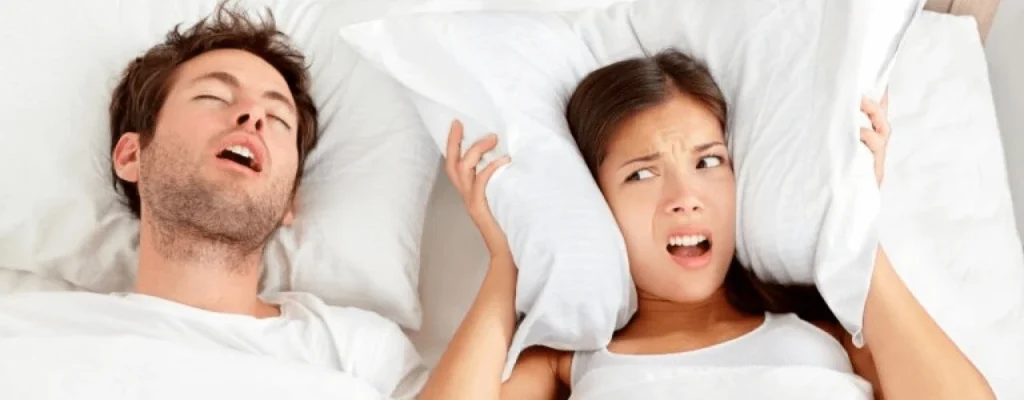
It’s a familiar modern scene. Between travel fatigue, packed calendars, and the new wave of sleep tech, snoring has become both a relationship joke and a real health conversation.
Big picture: snoring is common, but it’s not always “just snoring”
Snoring happens when airflow is partly blocked and soft tissues vibrate. That can show up after a long workweek, a late drink, or a congested night. It can also be a sign you should look closer.
Recent health coverage has emphasized that persistent loud snoring can overlap with sleep apnea for some people, and sleep apnea is linked with broader health risks. If you want a starting point for the bigger medical context, see this related coverage on Sleep Apnea and Your Heart: Why Snoring Isn’t Just a Nuisance – NewYork-Presbyterian.
The emotional layer: sleep loss spills into everything
Snoring rarely stays contained to nighttime. It leaks into mornings, meetings, workouts, and patience levels. It also creates a weird kind of negotiation at home: who gets the “good pillow,” who turns on the fan, who moves to the couch.
If workplace burnout is already pushing your energy down, broken sleep can feel like the final straw. That’s why people are testing wearables, taping routines, humidifiers, and “viral” sleep accessories—even if they’re not sure what actually matches the problem.
Practical steps: what to try first (before you buy another gadget)
1) Do a quick pattern check
Keep it simple for 7 nights. Note: snoring volume (light/moderate/loud), alcohol timing, congestion, sleep position, and how you felt the next day.
This isn’t about perfect tracking. It’s about spotting triggers you can control.
2) Adjust the easy levers
- Side-sleeping: Many people snore more on their back.
- Alcohol timing: Drinking close to bedtime can relax tissues and worsen snoring.
- Nasal comfort: If you’re blocked up, consider simple steps like saline rinses or humidity (follow product directions).
- Sleep schedule: Consistent bed/wake timing can improve sleep quality, even if it doesn’t “cure” snoring.
3) Where an anti snoring mouthpiece fits
An anti snoring mouthpiece is usually designed to change jaw or tongue positioning so the airway stays more open during sleep. It’s a mechanical approach, not a “sleep hack.” That can be a good thing.
People tend to consider a mouthpiece when snoring is frequent, partner sleep is suffering, and quick fixes haven’t held up. If you’re comparing styles and fit approaches, you can review anti snoring mouthpiece and match features to your situation.
Safety and testing: how to be smart about it
Know the red flags that need medical screening
Don’t self-experiment forever if the signs point to something bigger. Consider talking with a clinician if you notice any of these:
- Choking, gasping, or witnessed pauses in breathing during sleep
- Strong daytime sleepiness, morning headaches, or concentration problems
- High blood pressure or heart-related concerns alongside loud snoring
- Snoring that persists even when you avoid alcohol and sleep on your side
How to trial a mouthpiece without guessing
- Give it a fair window: Comfort and fit can take several nights.
- Track two outcomes: partner-reported noise and your next-day energy.
- Watch your jaw: Soreness that doesn’t fade is a stop-and-reassess signal.
- Don’t stack too many changes at once: If you add a mouthpiece and also change pillows, sleep position, and supplements, you won’t know what helped.
FAQ: quick answers people want right now
Is snoring always a health problem?
No. It can be situational. Still, persistent loud snoring deserves attention, especially when paired with daytime symptoms.
Do mouthpieces help with travel snoring?
They can, depending on the cause. Travel can worsen snoring through fatigue, alcohol, and dry air. A mouthpiece may help if jaw/tongue position is part of your pattern.
What if my partner says it’s “getting worse”?
Take that feedback seriously. Treat it like a trend line. If it’s escalating or paired with gasping/pauses, consider screening for sleep apnea.
Can I use a mouthpiece if I have dental work?
It depends on your teeth and jaw health. If you have crowns, braces, TMJ issues, or ongoing dental pain, check with a dental professional before using one.
Medical disclaimer: This article is for general education and does not provide medical advice, diagnosis, or treatment. If you suspect sleep apnea or have persistent symptoms, talk with a qualified clinician.