
- Snoring is trending again because sleep gadgets are everywhere—and people are tired of being tired.
- Your “sleep setup” matters: bedding, room air, and congestion can all nudge snoring louder.
- An anti snoring mouthpiece can help when jaw position and mouth breathing are part of the problem.
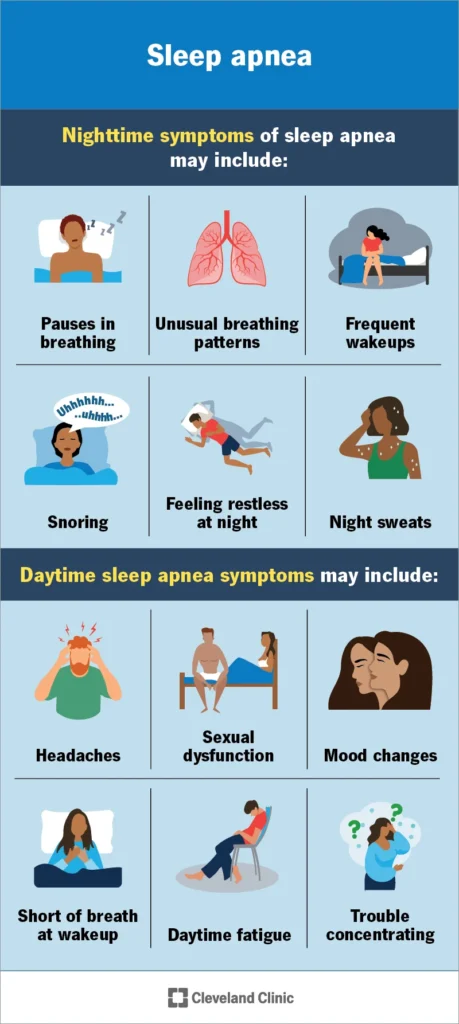
- Screen for sleep apnea if you have gasping, pauses, or heavy daytime sleepiness.
- Safety is not optional: clean it, track symptoms, and document what you tried.
Big picture: why snoring is having a moment
Snoring used to be a punchline. Now it’s a sleep-quality headline. Between wearable sleep scores, “smart” pillows, and viral bedtime hacks, people are paying attention to what happens after lights out.
Add travel fatigue, late-night scrolling, and workplace burnout, and you get the same complaint in different voices: “I’m in bed, but I’m not recovering.” Snoring often sits right in the middle of that story.
Recent chatter has also pointed at the bedroom itself—think dust, dryness, and the stuff you don’t notice until it affects your breathing. Some tips floating around even reference simple cooling tricks for comfort. Treat those as general ideas, not guarantees, and focus on what you can measure: sleep quality, symptoms, and consistency.
The human side: relationships, embarrassment, and the “spare room” joke
Snoring isn’t just noise. It can turn bedtime into negotiation. Couples joke about “sleep divorce,” but the stress is real when one person is awake at 2 a.m. listening to a chainsaw soundtrack.
There’s also the personal angle. People worry they’re “broken,” or they avoid trips because they don’t want to share a room. If that sounds familiar, you’re not alone—and you’re not out of options.
Practical steps: what to try before you buy another gadget
1) Do a quick “bed-to-breath” audit
Start with the boring stuff. It often pays off.
- Room air: Dry air can irritate the throat. Consider humidity and hydration.
- Allergens: Wash bedding regularly and consider whether dust or pet dander is worsening congestion.
- Nasal comfort: If you’re stuffed up at night, snoring can spike because airflow gets turbulent.
If you want a general reference tied to the recent conversation about bedroom factors, see this related coverage: Your bed could be hiding the biggest causes of snoring, but help could be hidden in the freezer.
2) Check your timing and habits (the unsexy risk reducer)
Many people are talking about “one nighttime mistake” and heart health in broad terms. The safe takeaway is simple: protect your sleep window. Late meals, alcohol close to bedtime, and inconsistent schedules can worsen sleep quality and may aggravate snoring for some people.
If you’re in your 20s or 30s and feel “too young” to care, that’s exactly why this topic is trending. Sleep is a health behavior, not a luxury.
3) Where an anti snoring mouthpiece fits
An anti snoring mouthpiece is designed to support airflow by changing oral posture—often by gently positioning the lower jaw forward or helping keep the mouth closed. That can reduce the vibration that creates snoring in certain sleepers.
It’s not a magic wand. It’s a targeted tool. It tends to make the most sense when:
- You snore more on your back.
- You wake with a dry mouth (a clue you may be mouth-breathing).
- Your partner reports loud, steady snoring rather than frequent gasps.
If you’re comparing options, here’s a product example that combines two approaches in one: anti snoring mouthpiece.
Safety and screening: reduce risk and make smarter choices
Don’t ignore red flags for sleep apnea
Snoring can be harmless. It can also be a sign of obstructive sleep apnea. General medical guidance commonly highlights symptoms like choking or gasping, witnessed pauses in breathing, morning headaches, and significant daytime sleepiness.
If any of those show up, don’t self-treat indefinitely. Ask a clinician about evaluation and possible sleep testing. This matters because sleep apnea is also discussed in connection with cardiovascular strain in major health education resources.
Run a simple “mouthpiece safety” checklist
- Fit: It should feel secure, not painful. Stop if you get persistent jaw pain or tooth soreness.
- Cleanliness: Rinse and clean daily. Let it dry fully to reduce odor and microbial buildup.
- Materials: Use products intended for oral use. Avoid DIY plastics not designed for the mouth.
- Tracking: Note snoring volume (partner feedback), sleepiness, headaches, and comfort.
Document what you tried (yes, really)
This is the part most people skip. Keep a short log for two weeks: bedtime, alcohol timing, congestion level, mouthpiece use, and how you felt the next day. If you end up seeing a clinician or dentist, that log speeds up the conversation.
FAQ: quick answers people ask before they commit
Is snoring always caused by the nose?
No. Nasal congestion can contribute, but snoring can also come from the soft palate, tongue position, and jaw posture.
Can travel make snoring worse?
Yes, it can. Dry hotel air, allergies, alcohol with dinner, and sleep debt can all stack the deck toward louder snoring.
What if my partner says I stop breathing?
Take that seriously. Ask a clinician about sleep apnea screening and testing rather than relying only on gadgets or mouthpieces.
CTA: make the next step simple
If you want a practical tool to try while you also tighten up your sleep routine, start with a mouthpiece approach that matches your snoring pattern and comfort needs.
How do anti-snoring mouthpieces work?
Medical disclaimer: This article is for general education only and is not medical advice. It does not diagnose or treat any condition. If you have symptoms of sleep apnea (gasping, breathing pauses, severe daytime sleepiness) or ongoing jaw/tooth pain, talk with a qualified clinician or dentist.