
Snoring isn’t just “noise.” It’s a sleep quality tax that shows up as groggy mornings, touchy moods, and the classic partner side-eye.
And right now, sleep culture is loud. New gadgets, viral hacks, and wearable scores can make rest feel like a performance review.
If you want a safer, simpler path, an anti snoring mouthpiece plus a basic routine can beat risky trends.
Quick overview: why snoring is having a moment
Between travel fatigue, late-night scrolling, and workplace burnout, more people are noticing how fragile sleep can be. Snoring becomes the easy villain because it’s obvious and disruptive.
Headlines have also pushed “sleep hacking” into the mainstream. One example: the debate around mouth taping. If you’re curious, see this general coverage on Why Doctors Say You Shouldn’t Tape Your Mouth Shut at Night. The takeaway is simple: don’t block breathing to chase a trend.
Timing: when to test changes (and when to pause)
Run your snoring experiment on “normal” weeks first. Big trips, alcohol-heavy weekends, or deadline crunches can skew results.
Give any change a fair window. A few nights can be misleading, especially if you’re also trying new pillows, apps, and supplements at the same time.
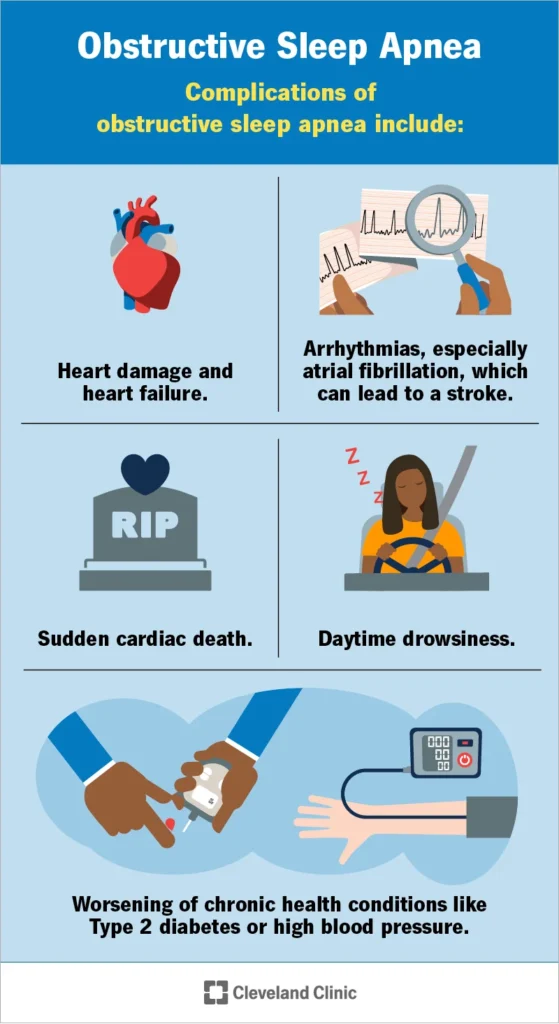
Pause the DIY approach and get medical help if snoring comes with choking/gasping, witnessed breathing pauses, severe daytime sleepiness, chest pain, or high blood pressure concerns. Those can be signs of sleep-disordered breathing that needs proper evaluation.
Supplies: what you need for a mouthpiece-first plan
Core items
- Anti snoring mouthpiece that fits your mouth and sleep style.
- A simple case so it doesn’t live loose on a nightstand.
- Soft toothbrush + mild soap for daily cleaning (skip harsh chemicals unless the manufacturer recommends them).
Nice-to-have add-ons
- Phone notes for a quick “snore + sleep quality” log.
- Humidifier or nasal comfort tools if dry air is part of your story.
- Backup plan for travel because hotel air and jet lag can amplify snoring.
Step-by-step (ICI): Insert, Check, Improve
This is the simple technique that keeps people from quitting too early. Comfort and consistency matter more than chasing perfect data.
1) Insert: make placement boring and repeatable
Put the mouthpiece in the same way every night. Do it before you’re half-asleep.
Aim for a secure fit that doesn’t feel like you’re clenching. Your jaw should feel supported, not forced.
2) Check: run a 30-second comfort scan
- Jaw: Any sharp pressure or joint pain?
- Teeth/gums: Any pinching or rubbing?
- Breathing: Do you feel like airflow is easier, not harder?
If something feels off, don’t “tough it out” for hours. Small adjustments beat big suffering.
3) Improve: tweak one variable at a time
Pick one change and stick with it for a few nights. That could be fit, sleep position, or bedtime wind-down.
Position still matters. Back sleeping often makes snoring worse for many people, while side sleeping can help. If you’re experimenting, change posture first before you blame the device.
Track outcomes with simple language: “quiet/medium/loud” and “refreshed/okay/wrecked.” You don’t need a spreadsheet to learn what works.
Mistakes that wreck results (and how to avoid them)
Chasing viral hacks instead of airflow
Trends come fast: tapes, straps, and gadgets that promise instant wins. If a hack could reduce your ability to breathe, treat it as a red flag, not a shortcut.
Over-tightening and calling it “effective”
More pressure isn’t automatically better. Discomfort can wake you up more than the snoring did.
Ignoring nasal comfort
If your nose feels blocked at night, your sleep will suffer. Keep the focus on comfortable breathing. For kids, some research headlines have discussed nasal approaches like saline in certain cases, but children’s snoring needs clinician guidance.
Skipping cleaning, then blaming the mouthpiece
Daily rinse and gentle cleaning keeps things pleasant. A dirty device can smell bad, feel rough, and make you abandon the routine.
Trying to “sleep in” to fix exhaustion
Staying in bed longer can backfire for some people. A steadier wake time and a calmer bedtime routine often help more than extra morning minutes.
FAQ: fast answers people want before they buy
Do anti-snoring mouthpieces work for everyone?
No. Snoring has multiple causes. A mouthpiece may help when jaw/tongue position contributes, but it won’t fix every situation.
What if my partner says I still snore?
Use it as feedback, not a verdict. Adjust fit, review sleep position, and look for triggers like alcohol, congestion, or extreme fatigue.
Can I use a mouthpiece if I grind my teeth?
Some people do, but grinding can change comfort and wear. If you suspect bruxism, ask a dentist or clinician what’s appropriate.
CTA: choose a mouthpiece plan you can live with
If you’re ready to skip the gimmicks and try a practical option, start by comparing anti snoring mouthpiece and pick one designed for nightly comfort.
Medical disclaimer: This article is for general education and does not replace medical advice. Snoring can sometimes signal sleep apnea or other health issues. If you have severe symptoms, breathing pauses, or significant daytime sleepiness, talk with a qualified clinician.