
- Snoring isn’t just “noise.” It can crush sleep quality for two people at once.
- Sleep gadgets are trending, but the smartest first step is still basic screening and pattern tracking.
- An anti snoring mouthpiece may help when snoring is position- or airway-related.
- Relationship jokes aside, repeated gasping or breathing pauses are not a punchline.
- Safety matters: comfort, hygiene, and clear red-flag rules reduce risk and wasted money.
The big picture: why snoring is suddenly everyone’s topic
Snoring has become a mainstream conversation again. People swap stories about wearables, “sleep score” apps, and new bedtime hacks the way they used to compare step counts. Add travel fatigue, late-night scrolling, and workplace burnout, and it’s no surprise sleep feels like a personal project.
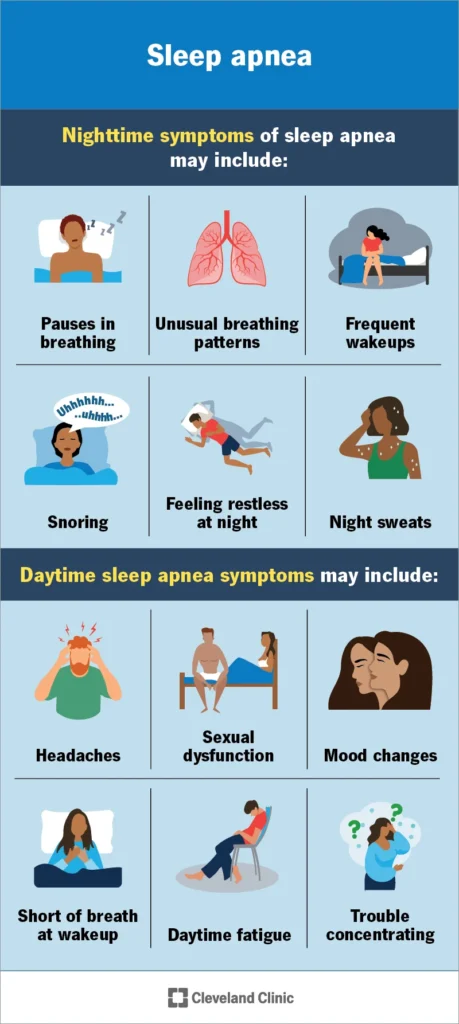
Recent health coverage has also put sleep apnea and snoring back in the spotlight. You’ll see general reminders about symptoms, causes, and the idea that many people can take practical steps before they spiral into another exhausted week.
If your nights sound like a leaf blower, you’re not alone. The goal is to move from random experimenting to a simple plan you can evaluate.
The emotional side: it’s not “just snoring” when it affects your life
Snoring is funny until it isn’t. It can turn a shared bed into a negotiation, especially when one person is jet-lagged, stressed, or already running on fumes.
It also messes with identity. People start to worry they’re “bad sleepers,” or they dread travel because hotel walls feel paper-thin. That stress can make sleep lighter, which can make snoring feel even louder.
Keep it simple: you’re not trying to win an argument. You’re trying to protect sleep and health for the long run.
Practical steps that actually help (before you buy another gadget)
1) Do a quick snore pattern check
Try to answer three questions for one week. Is snoring worse on your back? Does it spike after alcohol or heavy late meals? Does congestion change it?
Use a basic note in your phone. A short audio recording can help too, especially if a partner’s report is inconsistent.
2) Start with low-risk improvements
Small changes can stack. Side-sleeping, reducing evening alcohol, and keeping nasal breathing comfortable often help. So can a consistent wind-down routine when burnout has you wired at bedtime.
If you travel a lot, treat your sleep setup like a carry-on essential. Dry hotel air, unusual pillows, and irregular schedules can all aggravate snoring.
3) Where an anti snoring mouthpiece fits
An anti snoring mouthpiece is designed to support a more open airway during sleep, which can reduce tissue vibration and noise. For some people, that means fewer wake-ups and better sleep continuity.
It’s not a magic fix for every snorer. Fit, comfort, and the underlying cause matter. Still, mouthpieces remain a popular option because they’re non-surgical and don’t require a power cord.
If you want a product option to compare, here’s a anti snoring mouthpiece that’s built around the common “mouth-open” snoring pattern.
Safety and screening: the part people skip (and shouldn’t)
Know the red flags that deserve testing
Snoring can be harmless, but it can also overlap with obstructive sleep apnea. General medical guidance commonly flags loud snoring paired with choking/gasping, witnessed breathing pauses, or heavy daytime sleepiness.
If those show up, don’t self-experiment indefinitely. Get screened by a clinician and ask whether a sleep study makes sense.
Be cautious with viral trends
Some people are curious about mouth taping because it’s all over social feeds and podcasts. The problem is that trends don’t screen you for nasal blockage or sleep apnea risk. If you can’t comfortably breathe through your nose at night, forcing your mouth closed can be a bad idea.
Choose approaches that keep airflow safe and give you clear stop rules.
Reduce infection and “I didn’t think of that” risks
Any oral device needs basic hygiene. Clean it as directed, store it dry, and don’t share it. Replace it when it shows wear, odor, or damage.
Also document side effects. Jaw soreness, tooth pain, gum irritation, or headaches mean you should pause and reassess fit and approach.
Keep a simple decision log (it protects you)
Write down what you tried, when you tried it, and what changed. Include sleep position, alcohol timing, congestion, and stress level. This reduces guesswork and helps a clinician if you need next-step care.
What people are talking about right now (and how to use it)
In the news cycle, you’ll see stories about sleep apnea awareness, symptom lists, and even recognition for clinicians doing advanced airway care. You’ll also see lifestyle pieces that say many people can start with basics before escalating.
If you want a general, culturally relevant read on first moves people discuss, see this piece here: Paducah physician recognized for excellence in obstructive sleep apnea surgery.
Use headlines as motivation, not as medical advice. Your body still needs your own data and a safety check.
FAQ: quick answers, no fluff
Can I use a mouthpiece if I have dental work?
Maybe. If you have crowns, implants, braces, or jaw issues, ask a dentist first to avoid damage or pain.
What if my partner says my snoring stopped but I still feel tired?
Noise reduction doesn’t guarantee better oxygenation or deeper sleep. Persistent fatigue is a reason to screen for sleep disorders.
Should I combine a mouthpiece with other changes?
Often yes. Position, alcohol timing, and nasal comfort can improve results and make the solution easier to tolerate.
CTA: choose a simple next step tonight
If you want a practical place to start, learn the basics and compare options without overthinking it.
How do anti-snoring mouthpieces work?
Medical disclaimer: This article is for general education and is not medical advice. It does not diagnose, treat, or replace care from a licensed clinician. If you have choking/gasping, witnessed breathing pauses, significant daytime sleepiness, or other concerning symptoms, seek medical evaluation.