
Five quick takeaways before you buy anything:
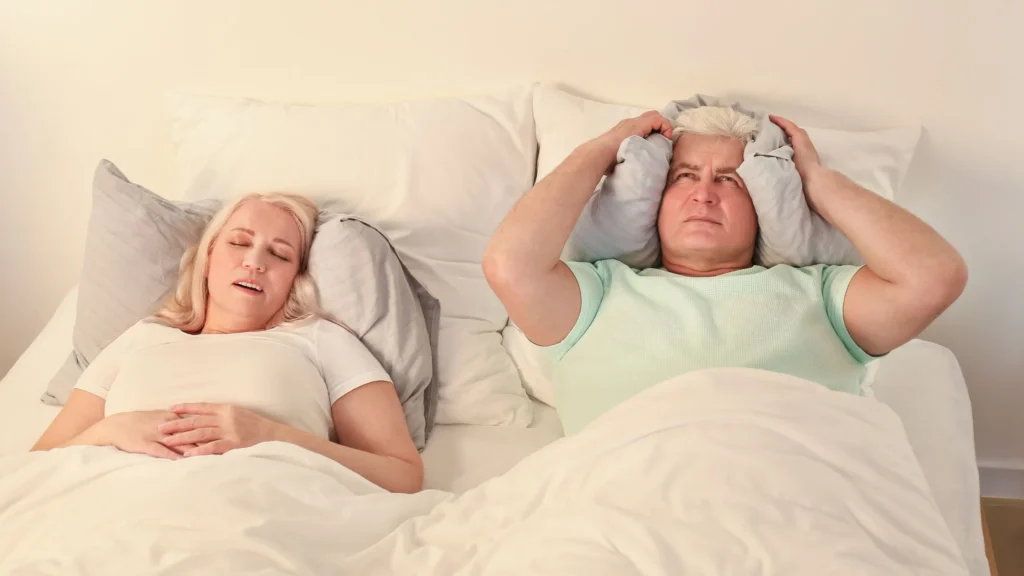
- Snoring is a symptom, not a personality trait. Treat it like a clue, especially if you feel tired all day.
- Viral sleep hacks aren’t “risk-free” because they’re cheap. Trends like mouth taping raise safety questions for a reason.
- An anti snoring mouthpiece can be a practical first step for many adults with simple, positional snoring.
- Nasal options help some people, but not all. If the issue is jaw/tongue position, nose-only fixes may fall short.
- Document your choice. Keep notes on symptoms, fit, cleaning, and changes—useful for safety and for any future medical visit.
Why snoring is suddenly everywhere (again)
Sleep is having a moment. Wearables score your “readiness,” travelers blame jet lag for everything, and burnout has people searching for a shortcut to deeper rest.
Meanwhile, couples keep making the same joke: one person “sleeps,” the other negotiates with a freight train. That humor is relatable, but it also hides a real issue—sleep quality affects mood, focus, and daytime energy.
Decision guide: if this is your situation, then try this
Use these branches to narrow options without piling on random gadgets.
If your snoring is mostly on your back, then start with position + a simple mouthpiece check
Back-sleeping can let the jaw and tongue drift in a way that narrows airflow. That’s why some people see improvement when they change position or use an oral device designed to support the airway.
If you want a product-based step, look for an anti snoring mouthpiece that’s designed for nightly use and clear cleaning.
If you wake up with a dry mouth, then consider mouth-breathing patterns (and don’t jump to tape)
Dry mouth can happen when you breathe through your mouth at night. It can also show up with nasal congestion, allergies, or sleep-disordered breathing.
Social feeds have pushed mouth taping as a “hack,” but the safer move is to treat it as a screening moment. Read up on Is Mouth Taping Safe for Sleep? What Parents Should Know About This TikTok Trend, then choose lower-risk steps first (like addressing nasal stuffiness and reviewing sleep posture).
If you have nasal blockage, then prioritize nasal airflow before expecting mouthpiece magic
When the nose is congested, snoring can ramp up. Some people try nasal strips or internal nasal dilators to open airflow.
Research summaries and reviews often describe mixed results, which makes sense: snoring has multiple causes. If nasal blockage is your main issue, nasal options may help; if not, you may need an oral approach or a medical screen.
If your partner reports pauses, gasps, or choking, then treat this as a screening issue first
Those signs can point to sleep-disordered breathing. A mouthpiece might still be part of a plan, but you’ll want a clinician involved to reduce risk and avoid delaying care.
Also take action if you have severe daytime sleepiness, morning headaches, or high blood pressure. Don’t “power through” because work is busy—burnout plus poor sleep is a rough combo.
If you’re shopping because of travel fatigue, then keep your plan simple and hygienic
Hotel air, time changes, and inconsistent routines can make snoring worse. In that scenario, pick one intervention at a time so you can tell what actually helps.
Whatever you use, clean it consistently and store it in a ventilated case. That reduces unpleasant buildup and lowers the odds you’ll abandon it after a week.
How to pick an anti snoring mouthpiece without regret
Choose based on comfort, cleanability, and consistency
A device that stays in the drawer won’t improve sleep quality. Prioritize a fit you can tolerate, clear cleaning steps, and materials that feel comfortable for nightly wear.
Set a short trial window and track outcomes
Write down three things for 10–14 nights: snoring volume (partner rating counts), how you feel in the morning, and any jaw/tooth discomfort. If pain or bite changes show up, stop and reassess.
Avoid stacking too many “sleep gadgets” at once
It’s tempting to add a new tracker, a new pillow, a new supplement, and a new mouthpiece in the same week. That makes it hard to know what worked and raises the chance of side effects or wasted money.
Safety notes (the part people skip)
- Jaw pain, tooth pain, or bite changes are reasons to pause and seek guidance.
- Persistent loud snoring deserves screening, even if you find a product that “helps a bit.”
- Keep it clean. Oral devices can collect debris; consistent cleaning reduces irritation and odor.
- Don’t copy social-media challenges. If a trend restricts breathing or feels risky, skip it and choose safer steps.
FAQs
Can an anti snoring mouthpiece help with loud snoring?
It can help some people, especially when snoring relates to jaw position and airway narrowing. If loud snoring persists or you feel unrefreshed, get screened.
Is mouth taping a safe snoring fix?
Safety depends on the person. If you have nasal congestion, reflux, anxiety, or possible sleep apnea symptoms, don’t try it without medical guidance.
What’s the difference between a mouthpiece and a nasal dilator?
Mouthpieces aim to change jaw or tongue position. Nasal dilators aim to improve airflow through the nose; they won’t solve every cause of snoring.
How long does it take to get used to a snoring mouthpiece?
Many people adapt in several nights to a couple of weeks. Stop if you notice significant pain or bite changes.
When should snoring be checked by a clinician?
Seek evaluation for choking/gasping, witnessed pauses, major daytime sleepiness, high blood pressure, or sudden worsening snoring.
Next step: pick one change and make it measurable
If you want a practical starting point, consider an anti snoring mouthpiece that fits your comfort needs and your hygiene routine. Then track results for two weeks before you change anything else.
How do anti-snoring mouthpieces work?
Medical disclaimer: This article is for general education and does not provide medical advice, diagnosis, or treatment. If you have symptoms of sleep apnea (gasping, breathing pauses, severe daytime sleepiness) or significant dental/jaw pain, consult a qualified clinician.