
Snoring is having a moment. Not the cute kind—more like the “why am I exhausted after eight hours in bed?” kind.
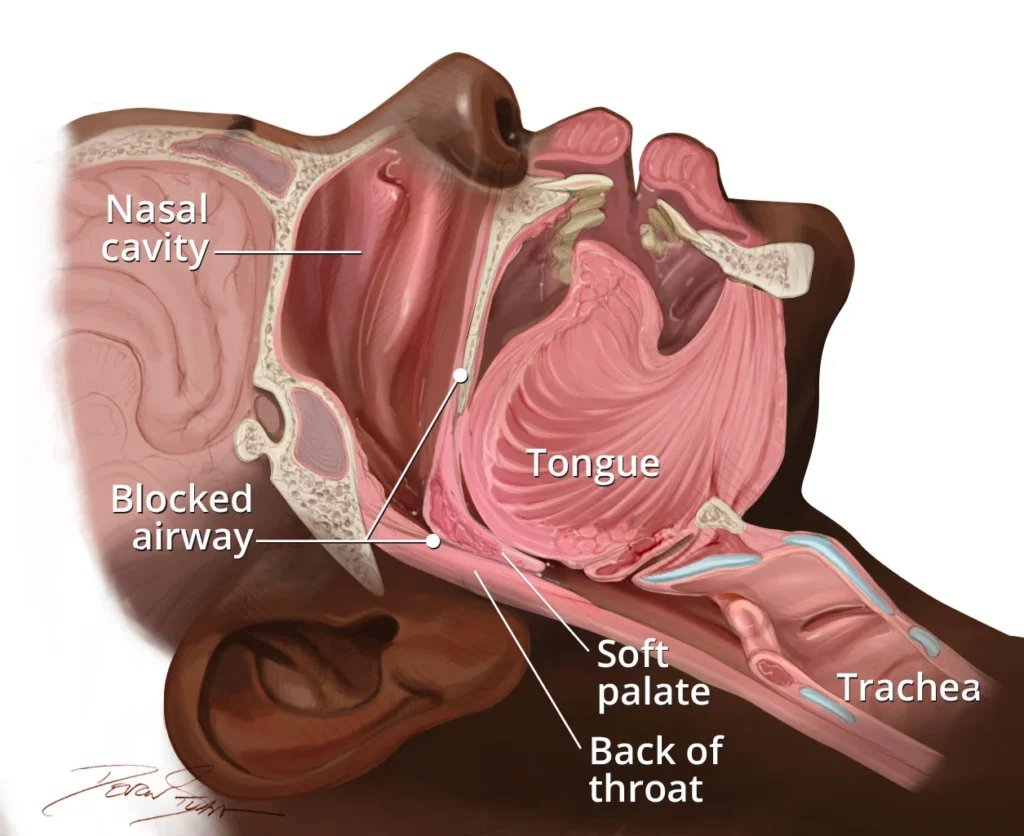
Between new sleep gadgets, travel fatigue, and burnout culture, people are chasing better sleep like it’s a productivity hack.
If snoring is hurting sleep quality, an anti snoring mouthpiece can be a practical tool—but only after you screen for red flags and choose it safely.
Is snoring just annoying, or is it messing with sleep quality?
Snoring isn’t only a noise problem. It can fragment sleep for you, your partner, or both. That’s why it shows up in relationship jokes and “separate bedrooms saved us” reels.
Even when you don’t fully wake up, micro-arousals can leave you feeling unrefreshed. Add a busy workweek, late-night scrolling, or jet lag, and your sleep debt stacks fast.
Clues your sleep is taking a hit
- Dry mouth or sore throat in the morning
- Headaches on waking
- Daytime sleepiness, irritability, or brain fog
- Your partner reports loud, frequent snoring
What’s the “one mistake at night” people keep talking about?
Recent health chatter has highlighted how a single nighttime habit can raise cardiovascular risk even in younger adults. Headlines like these are a reminder: sleep choices aren’t just about feeling rested—they can connect to long-term health.
If you want the general reference point, see this coverage: Doctor reveals ‘1 mistake at night’ that increases heart attack risk in 20s and 30s even if you are healthy | Health.
Bottom line: treat chronic snoring as a signal to pay attention, not as background noise you “just live with.”
When should you worry about sleep apnea instead of “simple snoring”?
Snoring can happen without sleep apnea. Still, loud snoring plus breathing pauses is a classic pattern people miss for years.
Sleep apnea is commonly described as repeated breathing interruptions during sleep. It’s linked with symptoms like gasping, choking, and excessive daytime sleepiness. If any of that fits, prioritize screening over shopping.
Fast screening checklist (don’t skip this)
- Your partner notices pauses in breathing
- You wake up choking or gasping
- You’re sleepy while driving or in meetings
- You have high blood pressure or unexplained morning headaches
- Snoring worsens with alcohol or when sleeping on your back
If you check any of these, talk with a clinician about evaluation. A mouthpiece may still play a role, but you want the right plan first.
How does an anti snoring mouthpiece help, and who is it for?
Most anti-snoring mouthpieces aim to improve airflow by changing jaw or tongue position. The common category is a mandibular advancement style, which gently brings the lower jaw forward.
People often look for this option when they want something simpler than a full gadget setup. It’s also popular for travel, when hotel sleep is already fragile and you don’t want to pack extra gear.
Who tends to do well
- Primary snorers (no known apnea) who snore more on their back
- People whose snoring seems tied to jaw position or relaxed throat tissues
- Partners who need a quieter room without a big lifestyle overhaul
Who should be cautious
- Anyone with suspected sleep apnea symptoms (screen first)
- People with significant jaw pain, TMJ issues, or loose teeth
- Those with ongoing dental work or gum disease (get dental guidance)
What safety checks should you do before buying a mouthpiece?
Sleep products are trending, and marketing can get loud. Your job is to make a defensible, low-risk choice—especially if you’re buying online.
Use this “safe buy” checklist
- Fit: Choose a design that matches your teeth/jaw situation and has clear sizing or molding instructions.
- Materials: Look for clear material disclosure and care instructions.
- Hygiene plan: Commit to daily cleaning and dry storage to reduce odor and contamination risk.
- Stop rules: If you develop jaw pain, tooth soreness that persists, or bite changes, stop and get advice.
- Documentation: Save receipts, instructions, and adjustment notes. This helps if you need support or a clinician consult.
What should you try first: mouthpiece, chinstrap, or “sleep gadget” stack?
Many people build a whole bedtime tech tower—tracker ring, white noise, mouth tape, humidifier, the works. If you’re already burned out, that can backfire because it adds friction.
A simpler approach is often easier to stick with: address airway position, reduce triggers, and keep the routine repeatable.
A practical combo some people consider
If mouth-breathing or jaw drop seems to worsen snoring, a combo approach may be appealing. One example is an anti snoring mouthpiece. Keep expectations realistic and reassess after a short trial window.
How do you know if it’s working (without overthinking it)?
Skip the perfectionism. Use a few simple signals for two weeks.
- Partner reports fewer/lower-volume snoring episodes
- You wake up feeling more restored
- Less dry mouth and fewer morning headaches
- Fewer nighttime wake-ups
If symptoms worsen, or you still feel dangerously sleepy during the day, treat that as a medical screening issue—not a product problem.
FAQs
Can an anti snoring mouthpiece stop snoring completely?
Sometimes. It often helps when jaw position contributes to airway narrowing, but it won’t fix every cause of snoring.
Is loud snoring always sleep apnea?
No. But loud snoring plus choking, gasping, or daytime sleepiness should prompt a sleep apnea evaluation.
Are mouthpieces safe to use every night?
They can be, but fit and comfort matter. Stop if you notice jaw pain, tooth movement, or bite changes and seek professional guidance.
How long does it take to get used to a mouthpiece?
Many people adapt within days to a couple of weeks. Consistent use and careful adjustment help.
What’s the difference between a mouthguard and a mandibular advancement device (MAD)?
A mouthguard protects teeth. A MAD is designed to reposition the jaw to support airflow and reduce snoring.
Next step: keep it simple, keep it safe
If snoring is dragging down sleep quality, start with screening and a low-friction plan you can repeat. Choose products with clear instructions, track your results, and don’t ignore red flags.
How do anti-snoring mouthpieces work?
Medical disclaimer: This article is for general education only and is not medical advice. Snoring can be a sign of sleep apnea or other health conditions. If you have choking/gasping, breathing pauses, significant daytime sleepiness, chest pain, or concerns about your heart health, seek prompt evaluation from a qualified clinician.