
Q: Why does snoring feel like it’s suddenly everywhere—on travel days, in relationships, and at work?
Q: Can an anti snoring mouthpiece actually improve sleep quality, or is it just another sleep gadget?
Q: What’s the safest way to try one without ignoring a bigger health issue?
Those three questions are exactly what people are talking about right now. Sleep tech is trending, burnout is real, and “I didn’t sleep” has become small talk. Snoring sits right in the middle of it all because it affects the snorer and whoever shares the room.
Here’s a practical, safety-first plan for evaluating mouthpieces, protecting your sleep quality, and knowing when to bring in a dentist or clinician.
Overview: Why snoring is a sleep-quality problem (not just a joke)
Snoring often shows up as relationship humor. It’s also a real sleep disruptor that can fragment sleep, increase nighttime awakenings, and leave you feeling foggy the next day. That matters when you’re already running on low reserves from work stress, parenting, or travel fatigue.
Recent mainstream coverage has also pushed an important reminder: you can have sleep-related breathing problems even if you don’t snore. Snoring is a signal, not a full diagnosis.
If you want a general overview of how dental professionals may approach snoring and sleep apnea, see In HelloNation, Dental Expert Dr. Eric Runyon of Belton, MO Discusses How Dentists Treat Snoring & Sleep Apnea.
Timing: When it makes sense to try a mouthpiece vs. when to pause
Good times to consider an anti-snoring mouthpiece
A mouthpiece may be worth considering when your main issue is loud snoring, you wake up with a dry mouth, or your partner reports noise without clear breathing pauses. It can also be appealing if you’re trying to avoid a “drawer of gadgets” and want one focused tool.
Many people look for help after a trip, a hotel stay, or a stressful work stretch where sleep gets fragile. That’s normal. Just don’t let a rough week turn into a rushed decision.
Press pause and screen first if any red flags show up
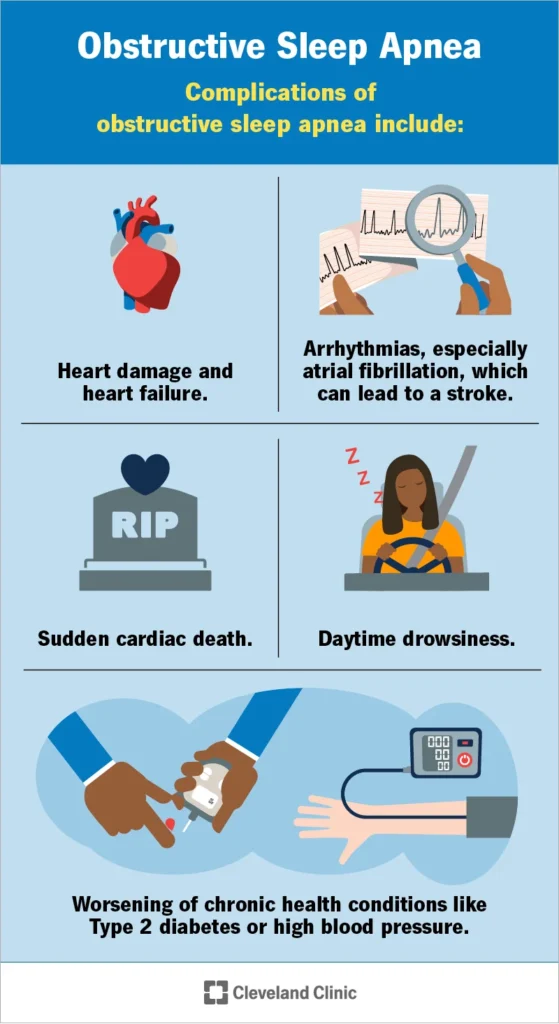
Don’t self-manage if you suspect a more serious breathing issue. Consider medical screening if you have witnessed pauses in breathing, gasping or choking during sleep, significant daytime sleepiness, or high blood pressure concerns.
Also pause if you have ongoing jaw pain, severe TMJ symptoms, loose teeth, or major dental work that could be affected by an oral device. A dentist can help you avoid making things worse.
Supplies: What to gather for a safe, low-drama trial
- Your device (and the full instructions, including fitting and cleaning steps).
- Clean case for storage (vented is helpful).
- Mild soap + cool water for daily cleaning (avoid harsh chemicals unless the manufacturer says otherwise).
- A simple sleep log (notes app is fine): bedtime, wake time, partner feedback, how you feel in the morning.
- A plan for follow-up: a date on the calendar to reassess instead of “set it and forget it.”
That last item matters. Documenting what you tried helps you make safer choices later and reduces the risk of endless trial-and-error spending.
Step-by-step (ICI): Identify → Check → Implement
1) Identify what you’re solving (noise, sleep quality, or both)
Write down the top complaint in one sentence. Examples: “My partner can’t sleep,” “I wake up unrefreshed,” or “Snoring is worse after alcohol or when I’m on my back.” One clear target keeps you from chasing every trending tip.
If your core problem is daytime sleepiness or you suspect breathing interruptions, prioritize screening over gadgets.
2) Check safety and fit before night one
Confirm the device is designed for snoring (not only grinding). Read contraindications. If you have dental concerns, consider asking a dentist before you commit.
Do a quick comfort check while awake. You want snug, not painful. Sharp pressure, numbness, or jaw strain is a stop sign.
3) Implement with a short ramp-up and a feedback loop
Start on a low-stakes night, not the evening before a big presentation or a flight. Wear it for a short period first if the instructions allow, then build up.
Track three simple metrics for 7–14 nights: snoring volume (partner rating), your morning energy, and any jaw/tooth soreness. If your sleep quality improves but pain increases, that’s not a win.
If you’re comparing options, consider a combo approach that pairs oral positioning support with additional stabilization. For example, see this anti snoring mouthpiece.
Mistakes that waste money (or create new problems)
Ignoring screening because the snoring is “just annoying”
Snoring can be benign, but it can also be a clue. If symptoms suggest a sleep-breathing disorder, treating the noise alone may delay proper care.
Over-tightening or forcing adaptation
More pressure doesn’t equal better results. Jaw pain, tooth pain, or bite changes are not “normal discomfort” to push through.
Skipping hygiene and storage basics
Oral devices live in a warm, moist environment. Clean it as directed and store it properly to reduce odor, buildup, and unnecessary mouth irritation.
Not documenting what happened
Sleep is subjective. A simple log helps you spot patterns like “worse after alcohol,” “better on side,” or “jaw sore by day 3.” It also helps a dentist or clinician advise you faster.
FAQ: Quick answers people are asking right now
Does an anti-snoring mouthpiece improve sleep quality?
It can, especially if it reduces awakenings caused by snoring (yours or your partner’s). Your best proof is consistent mornings with better energy and fewer nighttime disruptions.
What if my partner says I stopped snoring but I still feel tired?
That’s a sign to look beyond noise. Sleep duration, stress, alcohol, medications, and sleep-breathing disorders can all affect daytime energy.
Is it normal to drool or feel weird at first?
Mild changes in saliva or awareness can happen early on. Persistent pain, significant jaw tension, or tooth discomfort isn’t something to ignore.
CTA: One clear next step
If you want a simple, trackable way to test whether a mouthpiece helps your snoring and your sleep quality, start with a safety-first trial and a two-week check-in date. Keep notes, listen to your body, and don’t hesitate to screen for sleep apnea if symptoms point that way.
How do anti-snoring mouthpieces work?
Medical disclaimer: This article is for general education and is not medical advice. It does not diagnose, treat, or cure any condition. If you suspect sleep apnea or have significant daytime sleepiness, breathing pauses, chest symptoms, or jaw/tooth pain, seek guidance from a qualified clinician or dentist.