
Myth: Snoring is just an annoying sound.
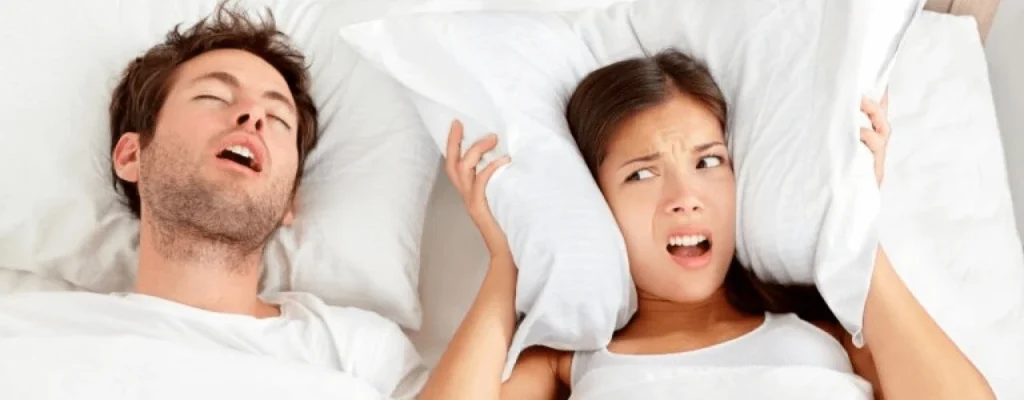
Reality: Sometimes it’s “only” noise. Other times it tracks with fragmented sleep and health issues that deserve a closer look.
If you’ve been seeing sleep gadgets everywhere lately—apps, wearables, viral hacks, even debates about mouth taping—you’re not imagining it. People are tired. Travel fatigue, late-night scrolling, and workplace burnout are all part of the current sleep conversation. And in many homes, the relationship humor is real: one person snores, the other person becomes an amateur acoustics engineer at 2 a.m.
Is snoring actually hurting my sleep quality?
Snoring often shows up alongside lighter, more disrupted sleep. Even when you don’t fully wake up, micro-arousals can chip away at how restored you feel in the morning.
It also matters why you snore. Simple snoring can come from relaxed throat tissues, nasal congestion, sleep position, or alcohol close to bedtime. But loud, frequent snoring can also appear with sleep apnea, a condition linked with repeated breathing interruptions.
Quick self-check: “annoying” vs “needs screening”
- More likely “annoying”: snoring mainly on your back, during colds/allergies, or after alcohol.
- Needs screening: gasping/choking, witnessed breathing pauses, morning headaches, high daytime sleepiness, or high blood pressure.
If you’re in the second group, don’t try to out-hack it. Get evaluated.
What are people trying right now (and what’s worth keeping)?
Sleep routines are trending, including simple “countdown” style plans that reduce caffeine late in the day, cut off work and screens earlier, and aim for a consistent bedtime. These aren’t magic. They do help many people reduce the “wired but tired” cycle.
Here’s the practical filter: keep anything that improves consistency, lowers late-night stimulation, and supports breathing. Skip anything that adds risk, especially if you might have sleep apnea.
A grounded routine that supports quieter breathing
- Evening cutoffs: reduce caffeine and alcohol later in the day.
- Wind-down: dim lights, reduce doomscrolling, and cool the room.
- Nasal comfort: address congestion (humidification, allergy plan from a clinician if needed).
- Position: side-sleeping often reduces snoring for many people.
When does an anti snoring mouthpiece make sense?
An anti snoring mouthpiece is usually considered when snoring is frequent, relationship-disrupting, and not fully solved by routine changes. Many mouthpieces are designed to support the jaw and airway position during sleep, which may reduce the vibration that creates snoring.
It’s not a substitute for medical care if you suspect sleep apnea. Think of it as a tool for the right scenario, not a universal fix.
Good candidates (general guidance)
- You snore regularly, especially in certain positions.
- Your partner reports noise but not breathing pauses.
- You want a non-drug option to try alongside better sleep hygiene.
Situations to pause and get checked first
- Witnessed breathing pauses, gasping, or choking.
- Severe daytime sleepiness or dozing while driving.
- Uncontrolled high blood pressure or significant heart risk concerns.
How do I choose a mouthpiece without creating new problems?
Safety is part of sleep health. A poorly chosen device can cause mouth soreness, jaw discomfort, or hygiene issues. That’s why it helps to document your choice like you would any health purchase: what you bought, when you started, and what changed.
Selection checklist (simple, but protective)
- Fit and comfort: you should be able to sleep through the night without sharp pain.
- Jaw history: if you have TMJ pain or jaw clicking, consider clinician input before using any jaw-positioning device.
- Cleanability: pick something you can clean consistently and store dry.
- Track outcomes: note snoring intensity, morning dryness, and daytime energy for 1–2 weeks.
If you’re comparing options, start here: anti snoring mouthpiece.
What about mouth taping and other viral sleep hacks?
Mouth taping has become a popular talking point in sleep circles. The idea is to encourage nasal breathing. The problem is that not everyone has clear nasal airflow, and restricting mouth breathing can be unsafe for some people.
If you’re tempted by trends, treat them like you would a new supplement: assume “not for everyone,” and prioritize breathing safety. If you snore loudly or suspect apnea, skip the hacks and get screened.
Does sleep quality really connect to heart health?
Sleep and cardiovascular health are frequently discussed together in mainstream health guidance. Poor sleep quality can overlap with risk factors that matter over time, especially if sleep apnea is present and untreated.
For a general overview that’s been in the news cycle, see: Improve Your Sleep Routine With This 10-3-2-1-0 Hack Tonight.
What’s the safest “do this next” plan?
Step 1: Screen for red flags
If breathing pauses, gasping, or severe daytime sleepiness show up, prioritize medical evaluation. That’s the risk-reducing move.
Step 2: Clean up the easy sleep disruptors
Keep bedtime consistent, reduce late caffeine/alcohol, and build a short wind-down. Travel weeks and deadline weeks count the most, because they’re when sleep gets sloppy.
Step 3: Add a tool if it fits your situation
If snoring persists and you don’t have red flags, a mouthpiece can be a reasonable next step. Track your results and stop if jaw pain or significant discomfort develops.
FAQs
Can an anti snoring mouthpiece replace CPAP?
Not necessarily. CPAP is a common treatment for diagnosed sleep apnea. If you suspect apnea, get tested and follow a clinician’s plan.
Will a mouthpiece stop snoring caused by a cold?
It may not help much when congestion is the main driver. Address nasal blockage and let the illness pass.
What if I only snore after drinking?
That pattern often points to relaxed airway tissues. Cutting alcohol earlier in the evening can be a high-impact change.
Medical disclaimer: This article is for general education and isn’t medical advice. Snoring can be a symptom of sleep apnea or other conditions. If you have breathing pauses, chest pain, severe daytime sleepiness, or concerns about your heart, seek care from a qualified clinician.