
Myth: Snoring is just an annoying sound, so any “quick fix” will do.
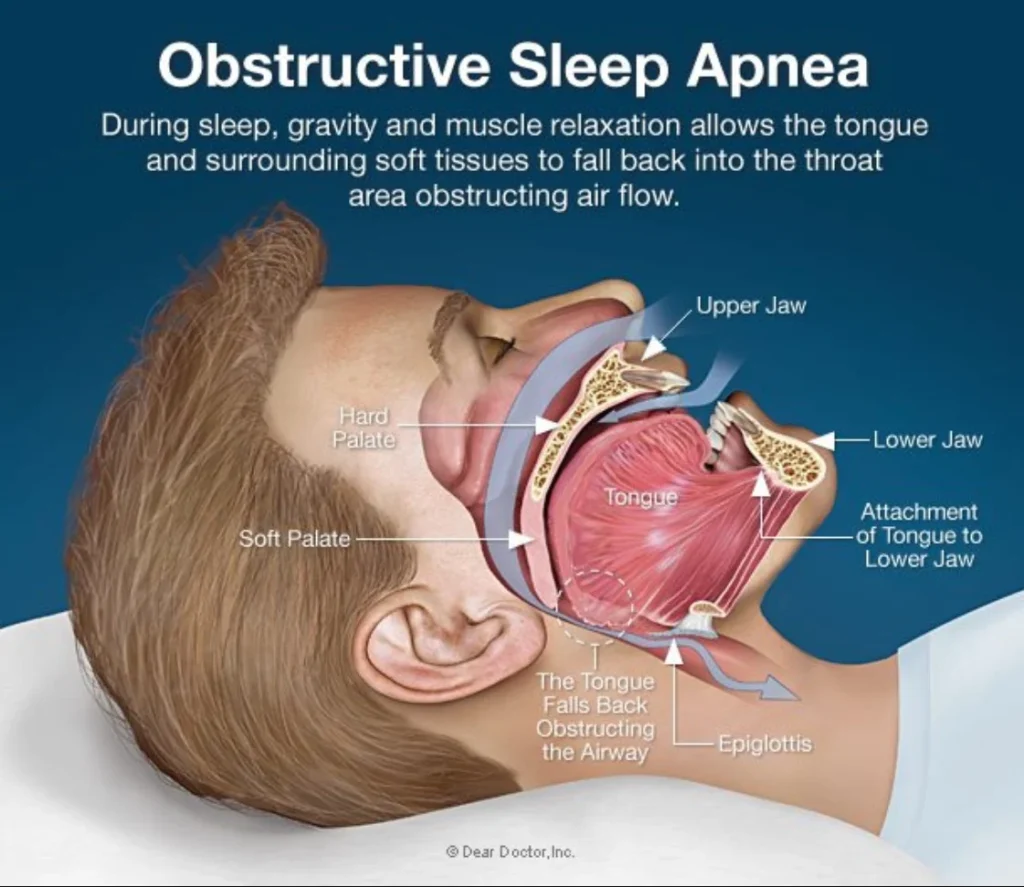
Reality: Snoring is often a sleep-quality problem first, and sometimes a health screening signal. That’s why the smartest approach blends practical tweaks, a realistic tool (like an anti snoring mouthpiece), and clear safety guardrails.
Big picture: why snoring is suddenly everyone’s topic
Sleep is having a moment. People are buying trackers, testing “sleepmaxxing” routines, and swapping gadget recommendations like they used to swap coffee orders. Add travel fatigue, late-night scrolling, and workplace burnout, and it’s no surprise snoring is getting louder in group chats and bedrooms.
Recent coverage has also pushed a simple idea: your environment matters. Even your bed setup can contribute to congestion or irritation that makes snoring worse. If you want the cultural shorthand, it’s the “check your bed first” trend—plus the occasional viral tip about cooling or soothing items stored in the freezer for comfort.
If you want a general reference point for that conversation, see this related headline context: Your bed could be hiding the biggest causes of snoring, but help could be hidden in the freezer.
The emotional layer: snoring isn’t just “noise”
Snoring is a relationship issue before it’s a product search. It triggers jokes, eye rolls, and the classic “I’m fine on the couch” standoff. Over time, it can also create real resentment because both people lose sleep.
It’s also a work problem. Poor sleep shows up as brain fog, slower reaction time, and shorter patience. That’s why snoring and sleep apnea keep popping up alongside conversations about mental performance and burnout.
One more thing: people often minimize snoring because it feels embarrassing. Treat it like any other health habit. You’re not “failing” at sleep—you’re troubleshooting it.
Practical steps: start with the room, then the routine, then the mouth
1) Do a fast “bed and bedroom” audit
Snoring can worsen when your nose and throat are irritated. Bedrooms can quietly contribute through dust, allergens, or stale air. A quick reset can be surprisingly helpful.
- Wash bedding regularly and consider a pillow protector if you’re sensitive.
- Check pillow height. Too high or too flat can push your neck into a position that narrows airflow.
- Keep the room comfortably cool. Overheating can fragment sleep and increase mouth breathing.
2) Reduce “mouth-breathing nights”
Snoring often gets louder when you breathe through your mouth. That can happen with congestion, alcohol close to bedtime, or sleeping flat on your back.
- Side-sleep when you can. Many people snore more on their back.
- Go easy on late alcohol. It can relax airway muscles and worsen snoring.
- Plan for travel fatigue. Dry hotel air and odd pillows can trigger a rough week of sleep.
3) Where an anti snoring mouthpiece fits
An anti snoring mouthpiece is popular right now because it’s a tangible, low-friction tool. No app subscription. No charging cable. No “sleep score” guilt.
Many mouthpieces aim to keep the airway more open by adjusting jaw or tongue position. The goal is simple: reduce vibration and collapse that creates the snoring sound.
If you want a product-style option to explore, here’s a relevant example: anti snoring mouthpiece. A combo approach can be useful for people who tend to sleep with their mouth open.
Safety and testing: the “don’t skip this” section
Screen first if you have red flags
Snoring can be harmless, but it can also overlap with obstructive sleep apnea. Consider a medical screening if any of these apply:
- Someone notices breathing pauses, choking, or gasping during sleep
- You wake with headaches or feel unrefreshed despite enough hours
- You have significant daytime sleepiness or doze off easily
- High blood pressure, heart risk concerns, or a strong family history
These are not diagnoses. They’re cues to get evaluated rather than guessing.
Fit, hygiene, and documentation (yes, document it)
If you try a mouthpiece, reduce risk by treating it like a personal medical-adjacent device.
- Clean it daily per the manufacturer’s instructions. Don’t share it.
- Track outcomes for 1–2 weeks: snoring volume (partner feedback or a simple recording), morning energy, dry mouth, jaw comfort.
- Stop and reassess if you develop jaw pain, tooth pain, gum irritation, or bite changes.
This “testing mindset” helps you avoid wasting money and helps a clinician if you later need a sleep evaluation.
Special case: shift work and irregular schedules
Night shift and rotating schedules can wreck sleep quality even without snoring. If you’re a shift worker, focus on consistency where you can: a stable wind-down routine, a dark room, and a predictable pre-sleep meal and caffeine cutoff. Then add snoring tools after the basics are in place.
FAQ
Is snoring always caused by weight?
No. Weight can be a factor for some people, but congestion, sleep position, alcohol, anatomy, and sleep deprivation can also play roles.
Can I combine a mouthpiece with other strategies?
Often, yes. Many people pair it with side-sleeping, nasal support (when appropriate), and bedroom allergen control.
What’s the simplest way to tell if it’s helping?
Use a two-part check: partner feedback on loudness/interruptions and your own morning symptoms (dry mouth, headaches, energy). Keep notes for at least a week.
Next step: pick one change you’ll actually keep
If you’re overwhelmed by sleep trends and gadgets, go smaller. Choose one environmental fix and one tool to test. Then measure the result like a mini experiment.
How do anti-snoring mouthpieces work?
Medical disclaimer: This article is for general education and is not medical advice. Snoring can be a sign of obstructive sleep apnea or other conditions. If you have choking/gasping, witnessed breathing pauses, significant daytime sleepiness, chest pain, or concerns about heart risk, seek evaluation from a qualified clinician.