
Five fast takeaways (save this):
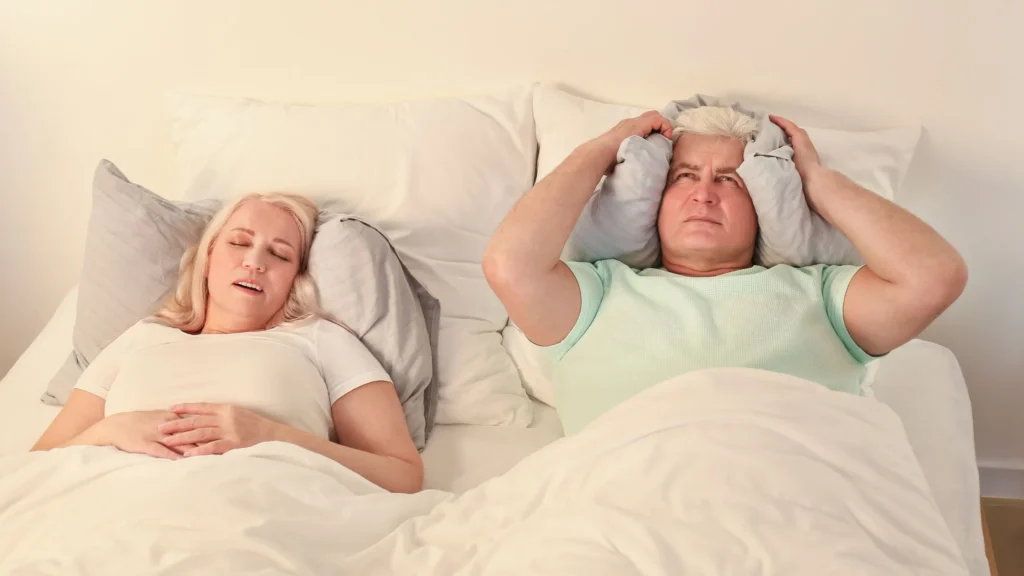
- Snoring isn’t just “noise”—it can be a sleep quality problem for you and anyone nearby.
- Sleep gadgets are trending, but the basics still win: breathing, positioning, and consistency.
- An anti snoring mouthpiece can help when snoring is linked to jaw/tongue position.
- Some snoring patterns can signal sleep apnea, which deserves real medical attention.
- Travel fatigue, burnout, and relationship “sleep divorce” jokes are common—better sleep is the serious fix.
Why snoring is such a big conversation right now
Sleep is having a cultural moment. You see it in wearable scores, “smart” pillows, and endless reels about morning routines. At the same time, many people feel wrung out from work stress, late-night scrolling, and frequent travel. Add a snoring partner, and suddenly sleep becomes a shared household problem.
Recent health coverage has also kept sleep apnea in the spotlight, including stories that frame treatment as genuinely life-changing. That matters because snoring can be harmless—or it can be a hint that breathing is getting disrupted at night.
If you want a broad, news-style reference point on the topic, here’s an An inspirational solution to obstructive sleep apnea from CommonSpirit Health that reflects why people are paying attention.
Quick self-check: what “bad sleep” looks like (beyond feeling tired)
Snoring often travels with other clues. You might notice dry mouth, headaches in the morning, or waking up unrefreshed even after “enough” hours. Your partner may report pauses in breathing, loud snorts, or restless tossing.
Workplace burnout makes this harder to spot. When everyone is exhausted, it’s easy to normalize feeling foggy. Still, persistent symptoms are worth taking seriously.
The decision guide: If…then… your next move
Use these branches to pick a sensible next step without overcomplicating it.
If snoring is occasional (travel, alcohol, congestion)… then start simple
If your snoring spikes after a red-eye flight, a late meal, or a weekend drink, focus on the “temporary triggers” first. Hydration, side sleeping, and a consistent wind-down can make a noticeable difference. So can addressing nasal stuffiness when appropriate.
Think of this as reducing the load on your airway. Less irritation and better positioning often equals quieter nights.
If snoring is frequent and your partner is losing sleep… then consider a mouthpiece
If the issue is most nights, a mouthpiece may be a practical middle step—especially if you’re not ready for a bigger sleep-tech setup. Many anti-snoring mouthpieces are designed to gently position the lower jaw forward, which can help keep the airway more open for certain snorers.
Comfort matters. A device that sits in a drawer won’t help anyone. If you want to compare options, see anti snoring mouthpiece and focus on fit, adjustability, and care instructions.
If you wake up gasping, have witnessed breathing pauses, or feel exhausted despite sleep… then get evaluated
Some symptoms raise the stakes. Loud snoring plus choking/gasping, witnessed pauses, or significant daytime sleepiness can be associated with sleep apnea. A mouthpiece can be part of a plan for some people, but you should not self-manage possible sleep apnea without medical guidance.
In other words: don’t let a trendy gadget replace an evaluation when the pattern looks concerning.
If your jaw clicks, you have dental issues, or you grind hard… then choose cautiously
Mouthpieces can affect the jaw and teeth. If you have TMJ pain, loose dental work, or significant bruxism, it’s smart to talk with a dentist or clinician before committing. Comfort and safety come first.
What an anti-snoring mouthpiece can (and can’t) do for sleep quality
Can do: reduce snoring volume and frequency for some people, which may improve sleep continuity for you and your partner. It can also reduce the “micro-wakeups” that leave you feeling like you slept, but didn’t recover.
Can’t do: fix every root cause of snoring. Weight changes, alcohol, nasal obstruction, sleep position, and medical conditions can all play a role. Also, a mouthpiece isn’t a substitute for professional care when sleep apnea is suspected.
Make it stick: small habits that help mouthpieces work better
Many people quit too early because the first few nights feel different. Give yourself a short adjustment window. Keep your bedtime consistent, and avoid “testing” the device on the hardest nights (like after a late meal or a couple drinks).
If travel fatigue is part of your life, pack a simple routine. A familiar wind-down and the same sleep setup reduces the “new place, new problems” effect.
Relationship and roommate reality: reduce friction fast
Snoring jokes are everywhere, but chronic sleep disruption can strain patience and mood. Try a quick, neutral conversation: “Let’s treat this like a sleep quality project.” That framing keeps it supportive instead of blaming.
Track two things for two weeks: snoring reports (from a partner or an app) and daytime energy. If both improve, you’re on the right track.
FAQs
Do anti-snoring mouthpieces work for everyone?
No. They tend to help some people who snore due to jaw or tongue position, but they won’t fix every cause of snoring.
Is loud snoring always sleep apnea?
Not always, but persistent loud snoring—especially with gasping, choking, or daytime sleepiness—can be a sign to get evaluated.
How long does it take to get used to a mouthpiece?
Many people need a short adjustment period. Mild soreness or extra saliva can happen early on and often improves.
Can a mouthpiece improve sleep quality even if I don’t wake up?
It can, if it reduces snoring and breathing disruptions that fragment sleep. The best clue is how you feel during the day.
What should I look for before buying an anti-snoring mouthpiece?
Fit, comfort, adjustability, and clear use/care instructions. If you have jaw pain, dental issues, or suspected sleep apnea, ask a clinician first.
Next step: pick one path and start tonight
If your snoring is occasional, tighten the basics for a week. If it’s frequent, a well-chosen mouthpiece can be a practical next move. If red-flag symptoms show up, book an evaluation and bring your observations.
How do anti-snoring mouthpieces work?
Medical disclaimer: This article is for general education only and is not medical advice. Snoring can have many causes, including conditions that require diagnosis and treatment by a qualified clinician. If you suspect sleep apnea or have severe daytime sleepiness, choking/gasping at night, or other concerning symptoms, seek professional care.