
Before you try an anti snoring mouthpiece, run this quick checklist:
- Impact: Is snoring wrecking sleep quality, mood, or work focus?
- Red flags: Any gasping, choking, or pauses in breathing?
- Timing: Worse after alcohol, travel, or burnout weeks?
- Relationship reality: Are you both tired and a little touchy?
- Plan: Pick one change, test it for 7–14 nights, then adjust.
Overview: Why snoring is trending again (and why it feels personal)
Snoring is having a moment because sleep is having a moment. People are comparing pillows, wearables, mouth tape, and “smart” everything. The vibe is part health trend, part gadget culture, and part relationship comedy.
Still, the stakes feel real. Poor sleep quality shows up as short tempers, slower workouts, and that foggy “I can’t think” workday. If workplace burnout is already high, noisy sleep can be the last straw.
Snoring can also signal something more than annoyance. If you’re worried about bigger health connections, read up on SleepZee Anti-Snoring Mouthpiece Consumer Report: 2026 Analysis of Mandibular Advancement Device Research, Snoring Reduction Claims, and What Buyers Should Verify.
Timing: When snoring spikes (and why your calendar matters)
Many people notice louder nights during high-stress stretches. Burnout weeks often mean more late screens, less routine, and lighter sleep. That mix can make snoring more noticeable for everyone in the room.
Travel fatigue plays a role too. Different pillows, dry hotel air, and a couple of drinks on a work trip can turn “sometimes snoring” into “every night snoring.”
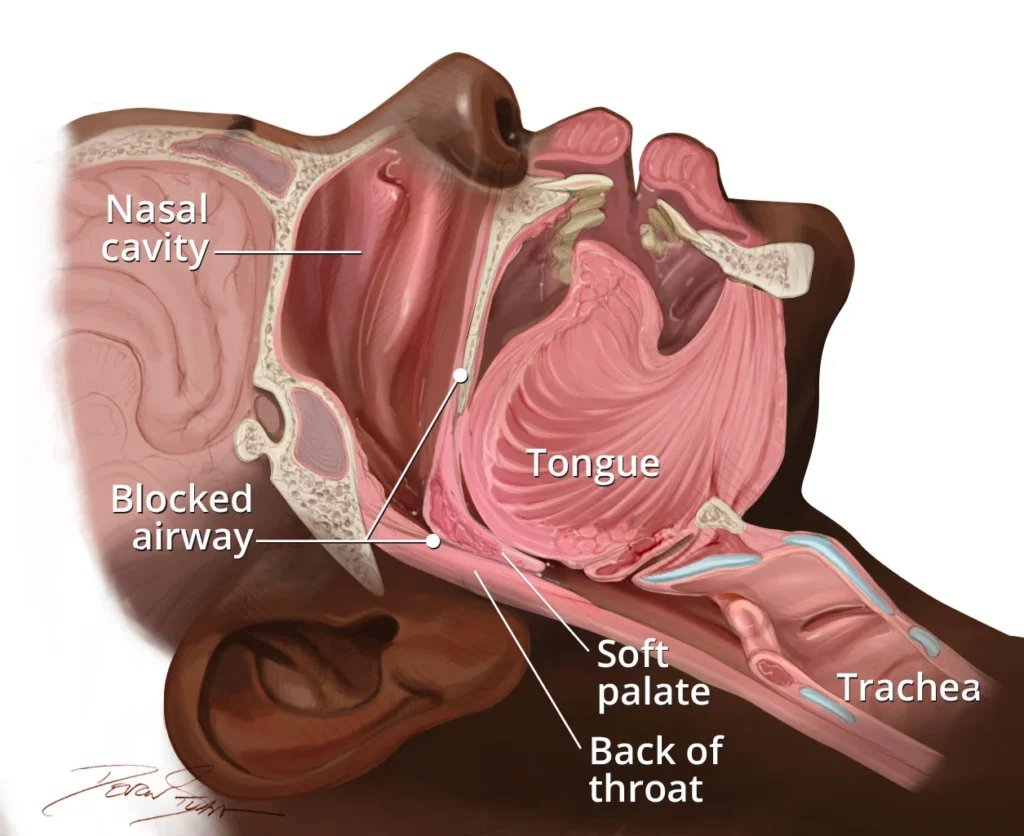
One more timing clue: snoring that’s worse on your back. That pattern often points toward airway positioning rather than just “being a loud sleeper.”
Supplies: What you actually need to test a mouthpiece (and sleep better)
- A simple tracker: notes app, sleep journal, or a partner rating (0–10).
- A baseline week: 7 nights before changing anything.
- A comfort plan: water by the bed, consistent bedtime, and patience.
- The right product category: an anti snoring mouthpiece is often a mandibular advancement device (MAD), designed to support jaw position.
You’ll also see lots of talk about pillows and other devices in the news. That’s useful context. It’s also a reminder to avoid stacking five “fixes” at once, because you won’t know what helped.
Step-by-step (ICI): A clean way to try an anti snoring mouthpiece
I — Identify your most likely snoring pattern
Start with two questions. Is snoring mostly on back-sleep nights? Is it worse after alcohol, congestion, or a very long day?
If the answer is yes, airway position and soft tissue relaxation may be part of the story. That’s where mouthpieces, pillows, and positional changes often get compared.
C — Choose one lever to pull (mouthpiece vs. pillow vs. habit)
Pillows are popular because they feel low-commitment. They can help if head/neck positioning is the main issue. Mouthpieces enter the chat when jaw or tongue position seems to contribute, or when pillows haven’t moved the needle.
If you’re shopping, focus on fit, adjustability, materials, and return policies. Recent consumer-style coverage has pushed a “verify before you buy” theme, and that’s a smart approach.
If you want to compare options, see anti snoring mouthpiece.
I — Implement for 14 nights, then decide with data
Night 1–3 is about comfort. Expect some drooling, mild jaw awareness, or a “new appliance” feeling. That’s common when you introduce anything oral at night.
Night 4–14 is where patterns show. Track two things: snoring volume/frequency and daytime energy. If your partner is involved, agree on one simple check-in question in the morning. Keep it light. Nobody needs a performance review at 6 a.m.
Mistakes that waste money (or start arguments)
Trying everything in the same week
New pillow, mouth tape, nasal strips, mouthpiece, humidifier, and a sleep tracker? That’s not a plan. It’s a guessing game.
Ignoring warning signs
Snoring with choking, gasping, or witnessed pauses needs medical attention. Snoring can be linked with sleep apnea, and that can affect overall health.
Forcing comfort instead of adjusting your approach
If a mouthpiece hurts, don’t “tough it out.” Discomfort can lead to worse sleep quality, which defeats the point. Consider a different style, sizing approach, or professional guidance.
Turning snoring into a character flaw
Snoring is a body issue, not a moral issue. Couples do better when they treat it like a shared problem: quieter nights, better rest, less resentment.
FAQ: Quick answers people keep searching
Can an anti snoring mouthpiece improve sleep quality?
It can, if snoring is disrupting sleep. Better sleep is usually noticed as fewer wake-ups, improved morning energy, and less partner disturbance.
What’s the deal with mouth tape?
It’s a trend, and it gets a lot of attention. Some people are curious about it for nasal breathing, but it isn’t right for everyone. If you have nasal blockage, breathing issues at night, or possible sleep apnea, ask a clinician first.
Do sleep gadgets help or just add stress?
They can help when they simplify decisions. They backfire when they create anxiety or keep you chasing perfect scores instead of consistent sleep.
Medical disclaimer: This article is for general education and does not replace medical advice. If you have loud snoring with choking/gasping, pauses in breathing, chest pain, severe daytime sleepiness, or concerns about sleep apnea, seek evaluation from a qualified clinician.
CTA: Make the next two weeks quieter (without overcomplicating it)
If snoring is affecting your sleep quality or your relationship, pick one approach and test it consistently. Data beats drama.