
Is your snoring getting worse, or is everyone just sleeping lighter lately?
Are sleep gadgets (tape, trackers, “smart” pillows) helping—or just adding pressure?
Could an anti snoring mouthpiece actually improve sleep quality for you and your partner?
Yes, snoring can ramp up when life gets loud: travel fatigue, late-night scrolling, burnout, and the “one more episode” trap. And yes, some tools help. The trick is matching the tool to the likely cause, then checking for safety signals that point to something bigger than everyday snoring.
The big picture: why snoring is having a moment
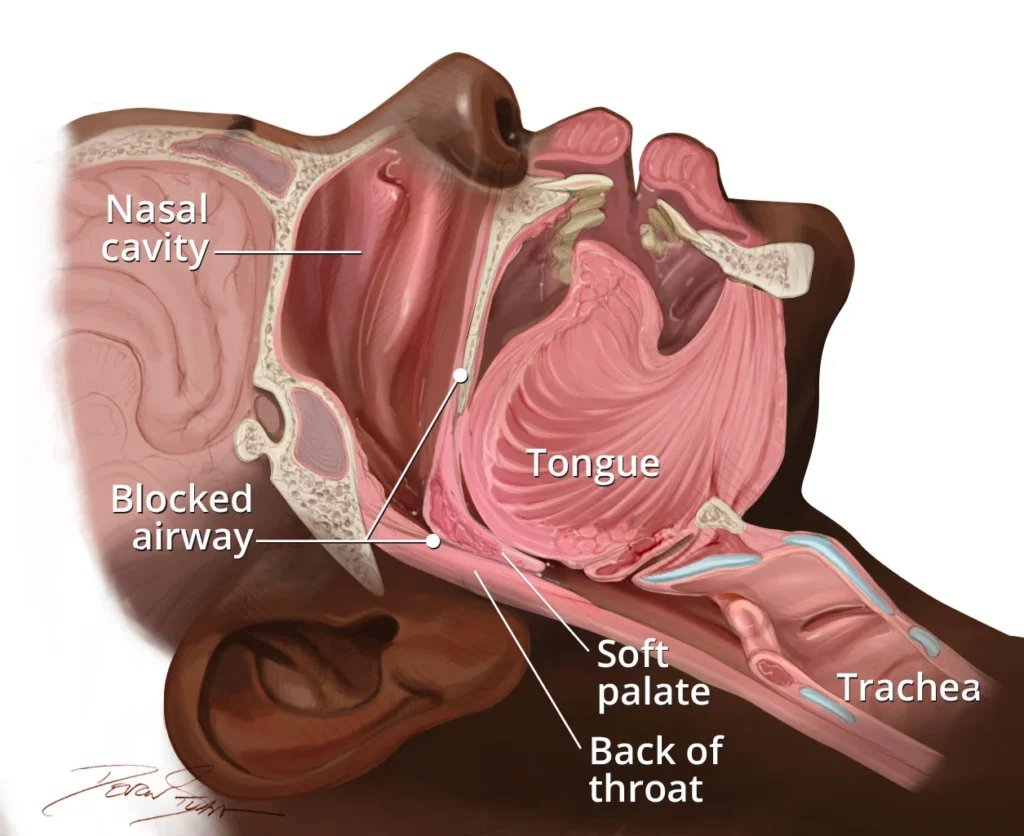
Snoring is noisy airflow. It often happens when throat tissues relax and narrow the airway during sleep. That narrowing can come from sleep position, alcohol, nasal congestion, weight changes, or anatomy.
Sleep health is trending because people feel the cost of poor sleep the next day. Think: brain fog in meetings, shorter tempers at home, and the “I need three coffees to function” routine. That’s why anti-snore devices keep popping up in roundups and group chats.
It’s also why sleep apnea is part of the conversation. Snoring can be a symptom, but not all snoring is sleep apnea. If you want a credible overview of warning signs, see Snoring at night? Low vitamin D might be playing a role.
The emotional side: snoring isn’t just “a funny couple problem”
Relationship humor about snoring lands because it’s relatable. One person is awake, the other is confused, and everyone is cranky by breakfast. Over time, separate bedrooms can feel like a practical fix and an emotional loss at the same time.
Workplace burnout makes this worse. When stress is high, people chase quick fixes. That’s how you end up with a nightstand full of gadgets and no clear plan.
Keep it simple: your goal is quieter breathing and better rest. Not “perfect sleep” every night.
Practical steps: where an anti snoring mouthpiece fits
An anti snoring mouthpiece (often a mandibular advancement-style device) is designed to support jaw/tongue position so the airway stays more open. It’s a mechanical solution to a mechanical problem.
Step 1: identify your snoring pattern (quick self-check)
Use a notes app for 7 nights. Track:
- Sleep position (back vs. side)
- Alcohol within 3–4 hours of bed
- Nasal congestion or allergies
- How you feel the next day (sleepy, headaches, dry mouth)
- Partner notes: volume, pauses, gasps
Step 2: decide if a mouthpiece is a reasonable next test
A mouthpiece may be worth trying if:
- Snoring is worse on your back
- You wake with dry mouth and your partner hears steady snoring (not repeated pauses)
- You want a travel-friendly option for hotel rooms and red-eye recovery
If you’re comparing products, start with anti snoring mouthpiece and focus on comfort, adjustability, and clear usage instructions.
Step 3: build a two-week “quiet sleep” routine
Don’t stack five changes at once. Pick two:
- Side-sleep support (pillow behind your back or a positional aid)
- Earlier alcohol cutoff
- Simple nasal support (saline rinse, humidifier, or allergy plan you already tolerate)
- Mouthpiece trial with consistent wear time
Then measure outcomes: fewer wake-ups, less partner nudging, and better morning energy. Those are the wins that matter.
Safety and testing: don’t ignore red flags
Some headlines talk about factors like vitamin levels and snoring. Those ideas can be interesting, but snoring is rarely one single switch. If you suspect a deficiency or a medical driver, talk with a clinician and use testing rather than guessing.
When to skip DIY and get checked
Get medical guidance promptly if you notice:
- Breathing pauses, choking, or gasping during sleep
- Severe daytime sleepiness or dozing off unintentionally
- Morning headaches, high blood pressure, or mood changes that feel out of proportion
- Snoring that persists despite practical changes
A note on mouth taping
Mouth taping is trending, but it isn’t a universal snoring fix. It may be uncomfortable or risky if your nose isn’t consistently clear, or if you might have sleep apnea. If you’re considering it, get clinician input first and don’t force it through congestion.
Mouthpiece comfort and dental considerations
Stop and reassess if you develop jaw pain, tooth pain, or bite changes. A dental professional can help you decide whether a different style or a custom option is safer.
Medical disclaimer: This article is for general education and does not diagnose, treat, or replace medical advice. If you suspect sleep apnea or have significant symptoms, seek evaluation from a qualified clinician.
FAQ
Do anti-snoring mouthpieces work for everyone?
No. They’re most useful when snoring is linked to jaw/tongue position and a partially narrowed airway. They’re not a substitute for sleep apnea diagnosis and treatment.
How can I tell if snoring might be sleep apnea?
Look for loud snoring plus breathing pauses, gasping, or major daytime sleepiness. If those show up, prioritize medical evaluation and testing.
Is mouth taping safe for snoring?
Not always. It can be risky if you have nasal blockage, reflux, anxiety, or possible sleep apnea. Ask a clinician before trying it.
How long does it take to notice a difference with a mouthpiece?
Some people notice changes quickly, but it’s smarter to track results over 2–4 weeks. Comfort and fit can improve with gradual adjustment.
What else helps snoring besides a mouthpiece?
Side sleeping, reducing alcohol near bedtime, addressing nasal congestion, and reviewing medications with a clinician can help. Persistent symptoms deserve a sleep evaluation.
Next step
If you want a simple, low-drama way to test whether repositioning helps your snoring, start with one change and track it. If you’re ready to explore mouthpiece options, use a clear plan and prioritize comfort.