
Is snoring wrecking your sleep quality?
Are sleep gadgets and “one weird habit” headlines making it harder to know what actually matters?
And could an anti snoring mouthpiece be the simple tool that helps you (and your partner) sleep again?
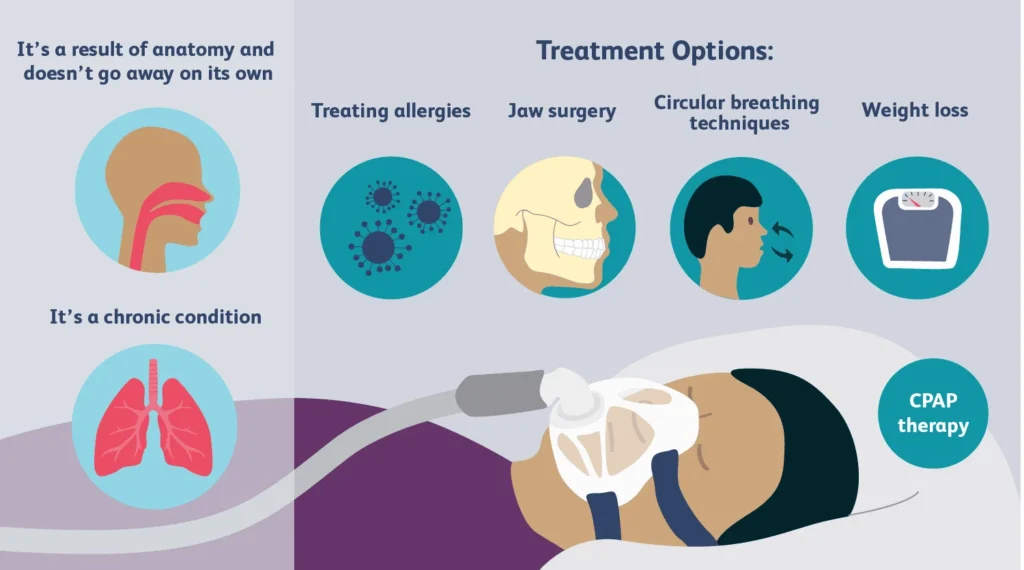
For many people, the answer is less about chasing the newest trend and more about building a repeatable setup. Below, you’ll see what people are talking about right now, how mouthpieces fit into sleep health, and how to try one without overcomplicating it.
Overview: Why snoring is suddenly everyone’s topic
Sleep is having a moment. Headlines keep teasing that a certain bedtime habit could add years to your life. At the same time, people are calling out how doomscrolling can quietly steal hours. Add workplace burnout, travel fatigue, and a partner who “jokes” about the snore soundtrack, and it’s no surprise sleep health is trending.
Here’s the practical takeaway: better sleep usually comes from a few basics done consistently. If snoring is part of your problem, you also need a snoring-specific solution. Mouthpieces are one of the most talked-about options because they’re relatively simple and don’t require a full bedroom tech upgrade.
If you like keeping up with the broader conversation, you can browse this Study claims this specific sleeping habit could add four years to your life span and compare it with what you can realistically sustain.
Timing: When snoring tends to spike (and when to act)
Snoring isn’t always the same every night. It often gets louder or more frequent when your routine gets sloppy or your body is under extra load.
Common “timing triggers” people mention
- Late-night scrolling: pushes bedtime later and makes sleep feel lighter.
- Travel fatigue: dry hotel air, jet lag, and odd pillows can change breathing.
- Alcohol close to bedtime: can relax tissues and worsen snoring for some people.
- Back sleeping: often increases airway collapse and vibration.
- Seasonal congestion: nose breathing gets harder, mouth breathing goes up.
Best time to intervene: tonight. Not with a total life overhaul. Start with a repeatable wind-down plus a targeted snoring tool. If you wait for the “perfect week,” burnout and busy schedules usually win.
Supplies: What you need for a calmer, quieter night
You don’t need five new gadgets. A small kit is enough to test whether snoring improves when airflow improves.
- Anti-snoring mouthpiece: designed to help reduce snoring by supporting airway positioning.
- Optional chin strap: may help if mouth opening is part of your snoring pattern.
- Simple sleep routine: a consistent lights-out window and a short wind-down.
- Basic tracking (optional): a phone audio recording can help you notice patterns without obsessing.
If you want an all-in-one approach, consider this anti snoring mouthpiece. It’s a practical pairing for people who suspect mouth breathing is part of the issue.
Step-by-step (ICI): Identify → Choose → Implement
This is a simple loop you can repeat weekly. It keeps you focused on what changes outcomes.
1) Identify your likely snoring pattern
- Mostly on your back? Your tongue and jaw position may be a factor.
- Mostly when congested? Nasal support plus sleep hygiene may matter more.
- Mostly after late nights? Your schedule and wind-down might be the main lever.
Relationship tip: make it a shared experiment, not a blame session. A quick “let’s test what helps this week” lands better than a midnight elbow jab.
2) Choose one primary tool (don’t stack everything at once)
Pick the mouthpiece as your main change, then keep everything else steady for a few nights. If you change your pillow, stop caffeine, start a new supplement, and add a mouthpiece all at once, you won’t know what worked.
3) Implement for 7 nights, then review
- Use the mouthpiece as directed and prioritize comfort and fit.
- Set a “screens down” checkpoint that you can actually follow.
- Aim for a consistent wake time, even after a rough night.
- Check results with a simple question: Did we sleep better and argue less about it?
Mistakes that make mouthpieces feel like they “don’t work”
- Expecting perfection on night one: comfort can take a short adjustment period.
- Ignoring jaw pain: discomfort isn’t a badge of progress.
- Using it while severely congested: you may need nasal support first.
- Skipping the basics: a mouthpiece can’t fully offset chronic sleep deprivation.
- Missing red flags: loud snoring plus choking/gasping needs medical screening.
FAQ: quick answers people ask right now
Is snoring just annoying, or is it a health issue?
It can be either. Some snoring is benign, but persistent loud snoring may be linked with sleep-disordered breathing. If you have daytime sleepiness, morning headaches, or witnessed breathing pauses, talk to a clinician.
Are nasal dilators worth trying?
Some people report benefit, and research discussions continue around nasal supports for sleep-disordered breathing. If your snoring seems driven by nasal blockage, they may be a reasonable add-on.
Why are dentists showing up more in sleep conversations?
Dental sleep therapies are increasingly discussed in professional circles, especially for certain cases of obstructive sleep apnea and snoring. A dentist trained in dental sleep medicine can help you understand fit, comfort, and whether a mouthpiece is appropriate.
CTA: make tonight quieter (without turning sleep into a project)
If snoring is cutting into your sleep quality, start with a simple plan: one primary tool, one week of consistency, and a quick review. That’s how you turn headlines and trends into something that actually helps.
How do anti-snoring mouthpieces work?
Medical disclaimer: This article is for general education only and is not medical advice. Snoring can be a symptom of obstructive sleep apnea or other conditions. If you have choking/gasping, witnessed breathing pauses, significant daytime sleepiness, chest pain, or persistent jaw pain with any device, seek medical or dental guidance.