
Snoring is having a moment. Not the cute, sitcom kind—more like the “two people, one bedroom, zero sleep” kind.
Between new sleep gadgets, viral hacks, and burnout-fueled exhaustion, people want a fix that doesn’t waste money or another workweek.
Thesis: If you want better sleep quality, skip risky trends and focus on practical, repeatable steps—an anti snoring mouthpiece can be one of them.
Is that viral mouth-taping trend a smart snoring fix?
You’ve probably seen it: tape your mouth, breathe through your nose, sleep like a monk. It’s trendy because it’s cheap and looks “biohacker-approved.”
But recent coverage has highlighted experts warning against mouth-taping as a blanket solution. The core issue is simple: if your nose isn’t clear, forcing your mouth closed can be a bad idea.
Why the hype can backfire
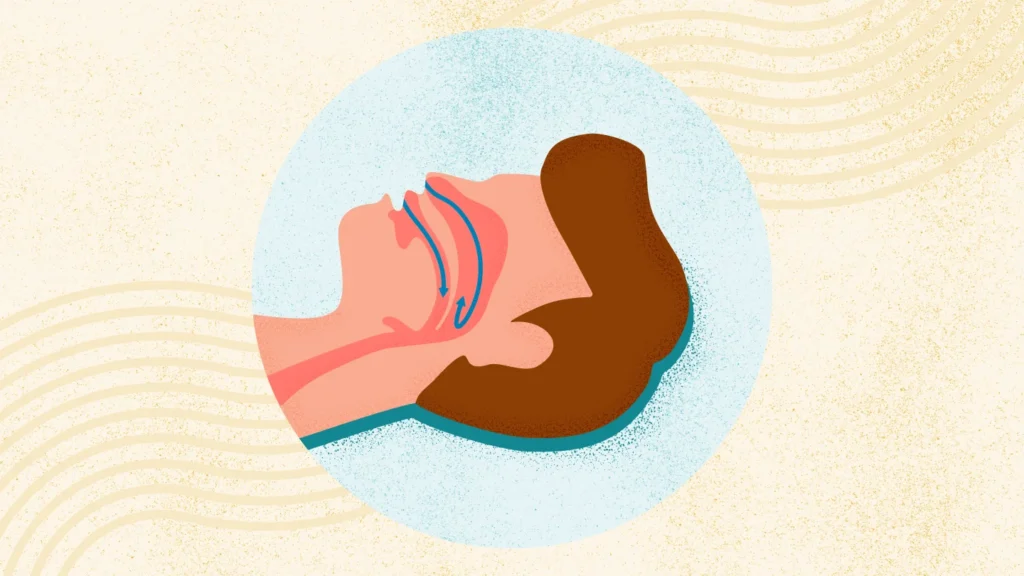
Snoring isn’t one thing. It can come from nasal congestion, jaw position, tongue position, alcohol-related relaxation, or sleep-disordered breathing.
When a hack ignores the “why,” you may trade noise for discomfort—or miss a bigger health signal.
Want to read the general warning coverage? See Scientists warn against viral nighttime mouth-taping trend.
What does snoring do to sleep quality (and why it feels worse lately)?
Even when the snorer “sleeps through it,” the bed partner often doesn’t. That’s where relationship humor comes from—separate blankets, pillow barricades, and the classic “I love you, but please roll over.”
Sleep also gets fragile during busy seasons. Travel fatigue, late-night scrolling, and workplace burnout can lower your tolerance for disruptions.
The ripple effect you notice the next day
Poor sleep can show up as brain fog, irritability, and cravings that make the next night harder. If you have ADHD, inconsistent sleep can feel especially punishing because routines break easily.
Sleep quality also ties into long-term health. Many heart-health organizations emphasize that chronically poor sleep is not something to shrug off.
Could an anti snoring mouthpiece be a better at-home next step?
If your goal is a practical trial at home, a mouthpiece is often considered before more complex options. The point is not to “hack” sleep. It’s to reduce airway collapse triggers that can create vibration (snoring) in the first place.
What a mouthpiece is trying to change
Many anti-snoring mouthpieces aim to support a more open airway by gently guiding jaw or tongue position. That can reduce the conditions that make tissues vibrate.
Fit and comfort matter. A device that’s too aggressive can lead to soreness, poor compliance, or a quick trip back to the junk drawer.
Budget lens: how to avoid wasting a cycle
- Pick one change at a time. If you add a mouthpiece, don’t also overhaul supplements, pillows, and apps in the same week.
- Track outcomes simply. Ask: “Did we both sleep better?” not “Did my sleep score hit 97?”
- Prioritize comfort. A solution you can’t tolerate is not a solution.
If you want a combined option, consider an anti snoring mouthpiece.
When is snoring a sign you should stop DIY-ing?
Some headlines spotlight clinicians recognized for sleep apnea care and surgery. That’s a good reminder: snoring can be harmless, but it can also be a symptom of obstructive sleep apnea.
Red flags to take seriously
- Breathing pauses, choking, or gasping during sleep (often noticed by a partner)
- Excessive daytime sleepiness, especially while driving
- Morning headaches or dry mouth with loud snoring
- High blood pressure or other risk factors you’re already managing
If these sound familiar, consider a medical evaluation. It’s faster than months of trial-and-error.
What else helps sleep quality while you test a mouthpiece?
Sleep hygiene sounds boring until you’re on your third coffee and your patience is gone. The basics still matter because they reduce how easily you wake up.
Low-cost moves people actually stick with
- Side-sleeping support: A body pillow can be cheaper than replacing your whole mattress setup.
- Alcohol timing: Earlier is usually better for snoring and sleep continuity.
- Nasal comfort: If congestion is common, address it before you judge any snoring tool.
- Wind-down protection: Set a “screens down” checkpoint, especially if your brain runs hot at night.
CTA: Ready for a practical next step?
If you’re done with gimmicks and want something more grounded, start with one change and measure what matters: quieter nights and fewer wake-ups.
How do anti-snoring mouthpieces work?
Medical disclaimer: This article is for general education and is not medical advice. Snoring can be a symptom of obstructive sleep apnea or other conditions. If you have breathing pauses, choking/gasping, significant daytime sleepiness, or cardiovascular concerns, consult a qualified clinician for evaluation and personalized guidance.