
Myth: Snoring means you’re sleeping hard.
Reality: Snoring can be a sign your airway is struggling, and that can chip away at sleep quality for you and anyone within earshot.
That’s why snoring is showing up everywhere right now. People are buying sleep gadgets, comparing apps, and joking about “separate bedrooms” like it’s a relationship hack. Add travel fatigue and workplace burnout, and suddenly the question isn’t vanity. It’s: “Why am I tired even after eight hours?”
Big picture: why snoring is a sleep-quality problem
Snoring is vibration from partially blocked airflow. Sometimes it’s positional. Sometimes it’s congestion. Sometimes it’s anatomy. And sometimes it overlaps with sleep apnea, where breathing repeatedly stops or drops during sleep.
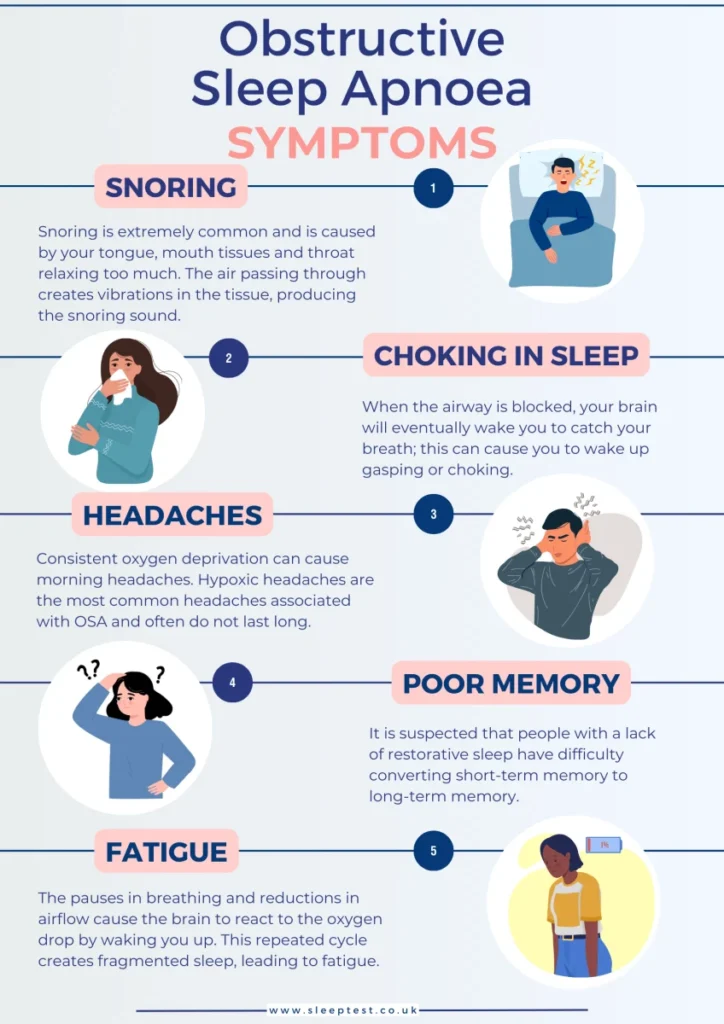
If you want a grounded overview of warning signs, start with Sleep apnea – Symptoms and causes. Keep it simple: snoring can be harmless, but it can also be a flag.
The emotional side: sleep loss is a social problem, not just a you problem
Snoring doesn’t just steal rest. It creates friction. You get the elbow nudge. Your partner gets resentful. You both wake up annoyed and call it “normal adult life.”
Then the coping starts: wearable trackers, white-noise machines, nasal strips, mouth taping trends, and “biohacker” routines. Some of these help. Some add risk or false confidence. The goal is fewer interruptions, not more gadgets on the nightstand.
Practical steps: what to do first (before you buy everything)
1) Do a quick snore audit
Use three nights of notes. Keep it basic: snoring volume (low/medium/high), position (back/side), alcohol late or not, congestion, and daytime sleepiness. If your partner can record short clips, that’s even better.
2) Try the low-risk levers
These don’t require special equipment:
- Side-sleeping if snoring is worse on your back.
- Earlier last drink and lighter late meals if you notice a pattern.
- Address nasal stuffiness with conservative, label-directed options.
- Protect a consistent sleep window, especially after travel.
If snoring persists, that’s where an anti snoring mouthpiece often enters the conversation.
3) Where an anti-snoring mouthpiece fits
Most anti-snoring mouthpieces aim to keep the airway more open by changing jaw or tongue position during sleep. That can reduce vibration and improve airflow for some people, especially when snoring is positional or linked to relaxed jaw posture.
If you want a product-style option to compare, here’s a anti snoring mouthpiece. A chin strap may help some users keep their mouth closed, which can reduce dry mouth and noise in certain cases.
Safety and testing: reduce risk, document your choice
Sleep products are trending toward “connected care” and more formal testing, including oral appliances being evaluated in broader ecosystems. That’s a good cultural signal: fit and follow-up matter.
Screen first: red flags that should not be ignored
- Choking, gasping, or witnessed breathing pauses
- Severe daytime sleepiness or drowsy driving risk
- Morning headaches, high blood pressure concerns, or heart risk factors
- Snoring plus significant weight change or new symptoms
If any apply, prioritize medical screening for sleep apnea. A mouthpiece may still play a role, but it shouldn’t replace evaluation.
Fit and hygiene: the unsexy part that prevents problems
- Follow fitting instructions exactly. “Close enough” can mean jaw pain.
- Clean daily and let it dry fully. This reduces odor and microbial buildup.
- Stop if you develop tooth pain, gum irritation, jaw clicking, or bite changes.
- Write down what you used and when. If you later seek care, this history helps.
Be cautious with viral hacks
Mouth taping is getting attention in sleep circles. Some people report benefits, but it isn’t universally safe. If you have nasal obstruction, reflux risk, anxiety with restricted breathing, or possible sleep apnea, don’t treat it like a harmless challenge.
How to test whether it’s working (without guessing)
- Track snoring: partner feedback or short recordings, 3–7 nights.
- Track daytime function: morning grogginess, focus, and afternoon slump.
- Track comfort: jaw soreness, tooth pressure, drooling, dry mouth.
If snoring drops but sleepiness stays high, that’s a clue to dig deeper rather than doubling down on gadgets.
FAQ
Can an anti snoring mouthpiece replace CPAP?
For diagnosed sleep apnea, treatment choice depends on severity and clinician guidance. Some oral appliances are used in specific cases, but CPAP remains a common standard for many patients.
What if I snore only when I travel?
Travel fatigue, alcohol timing, and back-sleeping in unfamiliar beds can spike snoring. Focus on sleep timing, hydration, and side-sleeping first, then consider a mouthpiece if it keeps happening.
Will a mouthpiece change my bite?
It can in some people, especially with poor fit or long-term use without monitoring. Stop if you notice bite changes and seek professional advice.
CTA: make the next step simple
Snoring fixes work best when you treat them like a small experiment: screen for red flags, choose one tool, and measure results.
How do anti-snoring mouthpieces work?
Medical disclaimer: This article is for general information and does not diagnose, treat, or replace medical advice. If you suspect sleep apnea or have significant daytime sleepiness, seek evaluation from a qualified clinician.