
Q: Why does snoring feel louder lately—are we just more tired?
Q: Are sleep “hacks” and gadgets actually helping, or just trending?
Q: Where does an anti snoring mouthpiece fit if you want better sleep without overcomplicating it?
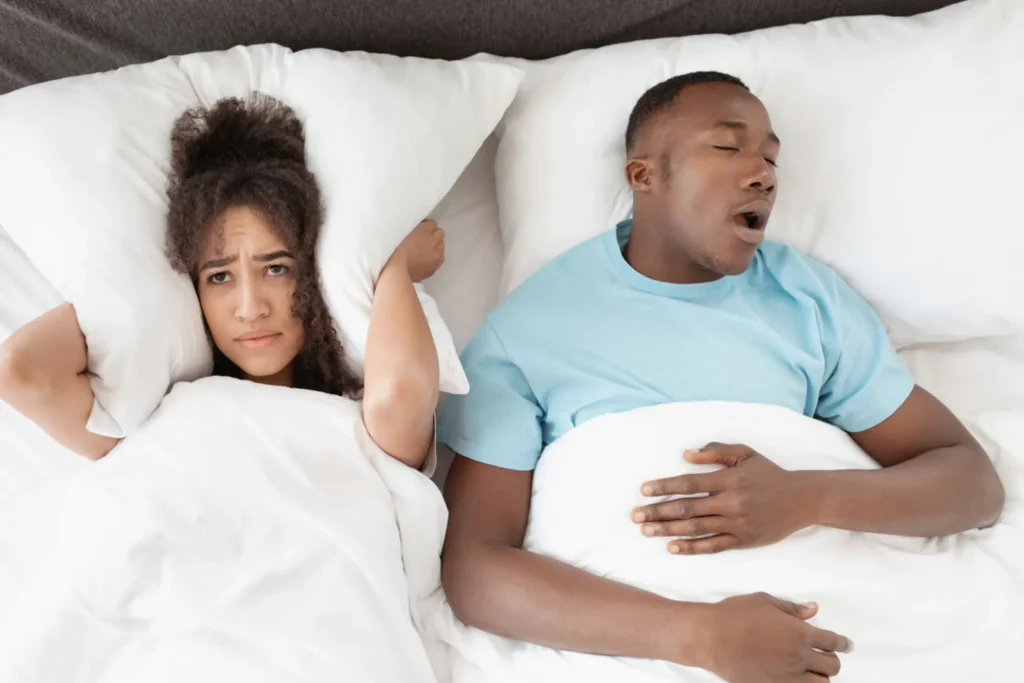
A: Snoring gets more noticeable when sleep is already fragile. Think travel fatigue, late-night scrolling, and workplace burnout. Add a partner who’s now a light sleeper, and suddenly your bedroom is a negotiation. The good news is you can take a simple, step-by-step approach and avoid risky shortcuts.
Overview: What snoring is doing to your sleep (and your life)
Snoring isn’t just a punchline. It can fragment sleep, reduce how refreshed you feel, and create real relationship friction. It also overlaps with bigger health conversations, including sleep-disordered breathing and sleep apnea.
Some recent coverage has highlighted both what to try first and what to be careful with. For example, viral mouth-taping has been getting attention, and some scientists have cautioned against it for certain people. Meanwhile, more traditional tools—like nasal supports and dental-style devices—keep showing up in “what actually helps” roundups.
If you want a quick, credible starting point for context, see this related coverage: Scientists warn against viral nighttime mouth-taping trend.
Timing: When snoring gets worse (and when to take action)
Snoring isn’t always “every night, same volume.” It often spikes at predictable times. Spotting your pattern helps you pick the right fix.
Common timing triggers people talk about right now
- After travel: Dry hotel air, different pillows, and odd sleep schedules can make breathing noisier.
- During burnout weeks: Stress can worsen sleep quality, which makes you more sensitive to disruptions.
- After alcohol or heavy late meals: Many people notice louder snoring on these nights.
- Allergy seasons: Nasal congestion can push you into mouth breathing.
Act sooner if your partner reports pauses in breathing, gasping, or if you wake up with headaches or heavy daytime sleepiness. Those are red flags for sleep apnea and deserve medical attention.
Supplies: What you may want on your “quiet sleep” shortlist
You don’t need a nightstand full of gadgets. Start with a small kit you can actually stick to.
- Anti-snoring mouthpiece: Often used to support jaw/tongue position and reduce airway obstruction in some people.
- Nasal support (optional): Some people trial nasal strips or dilators when congestion drives snoring.
- Basic sleep setup: A supportive pillow, consistent bedtime window, and a cooler room.
- Simple tracking: Notes in your phone about what changed (travel, drinks, congestion), not just a snore score.
If you’re considering a combo option, here’s a relevant product category to compare: anti snoring mouthpiece.
Step-by-step (ICI): Identify → Choose → Implement
This is the no-drama path. It keeps you from jumping between trends every three nights.
1) Identify what’s most likely driving your snoring
Ask three quick questions:
- Nose or mouth? Do you wake up with a dry mouth (often mouth breathing)?
- Position? Is it worse on your back?
- Timing? Does it spike with travel, alcohol, or congestion?
If snoring is loud and frequent, or paired with choking/gasping, don’t self-diagnose. Use that information to request an evaluation.
2) Choose one primary tool to test for 2 weeks
Pick the most relevant option based on your pattern:
- Mostly mouth breathing or jaw drop: An anti-snoring mouthpiece may be a reasonable trial for many adults.
- Mostly nasal blockage: Consider addressing congestion and trialing a nasal aid.
- Mostly back-sleeping: Positional strategies can help some people.
Testing one change at a time gives you a clean result. It also prevents the “I tried everything and nothing worked” trap.
3) Implement with a comfort-first routine
- Night 1–3: Aim for short wear periods if you’re adapting to a mouthpiece. Comfort beats perfection.
- Night 4–7: Increase consistency. Log snoring feedback from your partner (or your own wake-ups).
- Week 2: Evaluate: fewer wake-ups, better mornings, less partner disruption.
Keep expectations realistic. The goal is quieter, more stable sleep—not “silent forever” on night one.
Mistakes people make (especially when trends go viral)
Chasing the newest hack instead of the right fit
Sleep gadgets are having a moment. Some are useful. Others create anxiety and inconsistent routines. If a trend makes breathing harder, skip it.
Using risky workarounds for nasal blockage
If you can’t breathe well through your nose, mouth taping can be a bad idea. That’s part of why scientists and clinicians have urged caution in general reporting on the trend.
Ignoring symptoms that need medical screening
Snoring plus choking/gasping, high blood pressure, morning headaches, or severe daytime sleepiness should move you out of the “DIY only” lane.
Assuming kids are just “noisy sleepers”
Airway health is also a pediatric topic, and dentists sometimes discuss early warning signs with families. If a child snores regularly, it’s worth bringing up with a pediatric clinician.
FAQ: Quick answers before you buy anything
Do mouthpieces replace medical care?
No. They may help some snoring patterns, but they don’t replace evaluation for sleep apnea or other conditions.
What if my partner says I stop breathing?
Treat that as urgent information. Schedule a medical evaluation rather than experimenting with trends.
Can I combine a mouthpiece with other tools?
Often yes, but add changes one at a time so you know what helped.
CTA: Make the next step simple
If snoring is hurting sleep quality in your home, start with one focused trial and track how you feel in the morning. Consistency beats gadget-hopping.
How do anti-snoring mouthpieces work?
Medical disclaimer: This article is for general education and is not medical advice. Snoring can be linked to sleep apnea and other health issues. If you have breathing pauses, gasping, chest pain, severe daytime sleepiness, or concerns about a child’s breathing during sleep, consult a qualified clinician.