
Is your snoring ruining your sleep quality?
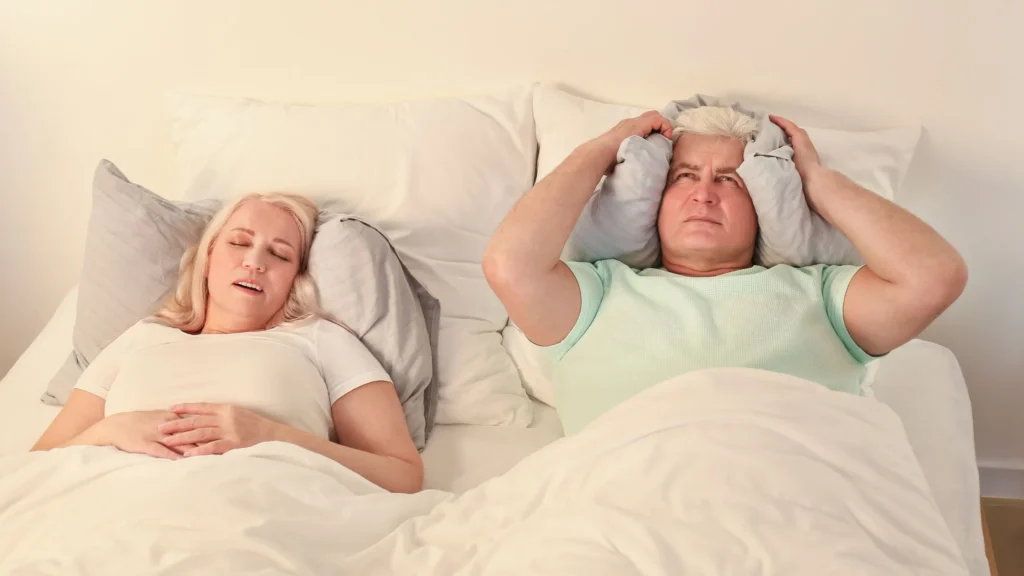
Is it turning bedtime into a negotiation (or a separate-bedroom routine)?
And are you wondering if an anti snoring mouthpiece is actually worth trying?
Yes, snoring can be fixable. No, it’s not always just “sleeping funny.” And yes, mouthpieces can help in the right situation—especially when snoring is tied to how your jaw and tongue sit during sleep.
Big picture: why snoring feels like a bigger deal lately
Snoring used to be a punchline. Now it’s showing up in the same conversations as burnout, wearable sleep scores, and “why am I still tired after eight hours?” People are buying sleep gadgets, tracking recovery, and trying to make travel fatigue less brutal.
In that context, snoring isn’t just noise. It can fragment sleep for the snorer and the partner. That means worse mornings, shorter patience, and more caffeine-driven days.
If you want a general overview of the “do this first” approach many outlets are discussing, see The Blind Spot: When the snoring stops (but you still sleep apart).
The emotional side: when the sound stops, but the distance stays
Even when snoring improves, couples don’t always snap back to “normal.” Some people keep sleeping apart because it’s become a habit—or because they’re protecting sleep like it’s a scarce resource.
That’s not a failure. It’s a signal that sleep quality has been under pressure for a while. If you’re trying an anti snoring mouthpiece, treat it like a small project you do together: agree on what “better” means, and how you’ll measure it.
Relationship humor helps, too. A simple “Let’s test this for two weeks and compare notes” beats another late-night argument about who’s waking who.
Practical steps: a no-drama plan before (and with) a mouthpiece
1) Figure out what kind of snoring you likely have
Snoring often comes from vibration in soft tissues when airflow is partly blocked. The “why” varies. Common buckets include nasal congestion, sleep position, alcohol/sedatives near bedtime, and jaw/tongue position.
An anti snoring mouthpiece typically targets the jaw/tongue-position bucket. If your snoring is mostly congestion-related, you may need a different strategy or a combined approach.
2) Do a quick, realistic baseline
Before you change anything, capture 3–5 nights of notes. Keep it simple: bedtime, wake time, perceived sleep quality (1–10), and whether anyone got woken up by snoring.
If you use a sleep tracker, treat the score as a clue, not a verdict. Wearables can be useful for trends, but they don’t diagnose conditions.
3) Add the “easy wins” that reduce snoring triggers
These are not magic. They’re just common sense checks that stack in your favor:
- Side-sleeping support (pillow or positional cue) if you snore more on your back.
- A consistent wind-down routine, especially during high-stress workweeks.
- Limit alcohol close to bedtime if it reliably makes snoring worse.
- Address nasal stuffiness when it’s obvious (seasonal changes, dry hotel rooms, travel fatigue).
Travel is a big one right now. Different pillows, dry air, late meals, and jet lag can turn a mild snorer into a chainsaw overnight.
4) Where an anti snoring mouthpiece fits
Mouthpieces generally aim to keep the airway more open by changing jaw position or stabilizing the tongue area. The goal is less vibration, fewer arousals, and better sleep continuity.
If you’re shopping, look for a design that prioritizes comfort and a secure fit. Many people quit because of soreness or because the device feels bulky. Comfort is not “nice to have.” It’s adherence.
If you want an example of a combined approach some shoppers look for, here’s an anti snoring mouthpiece.
Safety and screening: reduce risk and document your choices
Know when snoring is not “just snoring”
Snoring can overlap with obstructive sleep apnea. Apnea is a medical condition that needs proper evaluation. Don’t try to “DIY” your way around red flags.
Consider screening sooner (not later) if any of these show up:
- Choking, gasping, or witnessed pauses in breathing
- Severe daytime sleepiness or drowsy driving risk
- Morning headaches, high blood pressure concerns, or frequent nighttime urination
- Snoring that is loud and persistent, especially with unrefreshing sleep
If you suspect apnea, talk with a clinician. A mouthpiece may still be part of a plan, but the right plan starts with the right diagnosis.
Hygiene and materials: the unsexy part that matters
Anything that sits in your mouth nightly needs basic hygiene. Build a routine you can repeat even during busy weeks.
- Rinse after use and clean per the product instructions.
- Let it dry completely to reduce odor and bacterial growth.
- Store it in a ventilated case.
Replace a device that’s cracked, warping, or impossible to keep clean. That’s a safety issue, not a “stretch the budget” challenge.
Fit, comfort, and “proof” for yourself
To reduce buyer’s remorse and health risk, document your trial:
- Week 1: comfort, drooling/dry mouth, and whether you wake up less
- Week 2: partner-reported snoring changes and your daytime energy
- Stop test: if pain, bite changes, or jaw locking occurs, stop and seek guidance
This is also useful if you later consult a dentist or sleep clinician. You’ll have clear notes instead of vague memories.
FAQ: quick answers people keep searching
Do anti-snoring mouthpieces work for everyone?
No. They’re most promising when jaw/tongue position is a main contributor. If apnea or nasal obstruction is driving the problem, results vary.
How long should I test a mouthpiece?
Give it enough time to adapt, often 1–2 weeks, unless you have pain or bite changes. Track sleep quality and snoring impact as you go.
What if snoring improves but sleep still feels bad?
Look at the rest of your sleep health: schedule, stress, caffeine timing, and possible medical causes. Snoring is only one piece of the fatigue puzzle.
Next step: get a clear answer, not more guesswork
If you’re ready to understand the basics before you buy anything else, start here:
How do anti-snoring mouthpieces work?
Medical disclaimer: This article is for general education only and is not medical advice. It does not diagnose, treat, or replace care from a qualified clinician. If you suspect sleep apnea or have severe symptoms, seek professional evaluation.