
Q: Is snoring “just annoying,” or can it point to a bigger sleep problem?
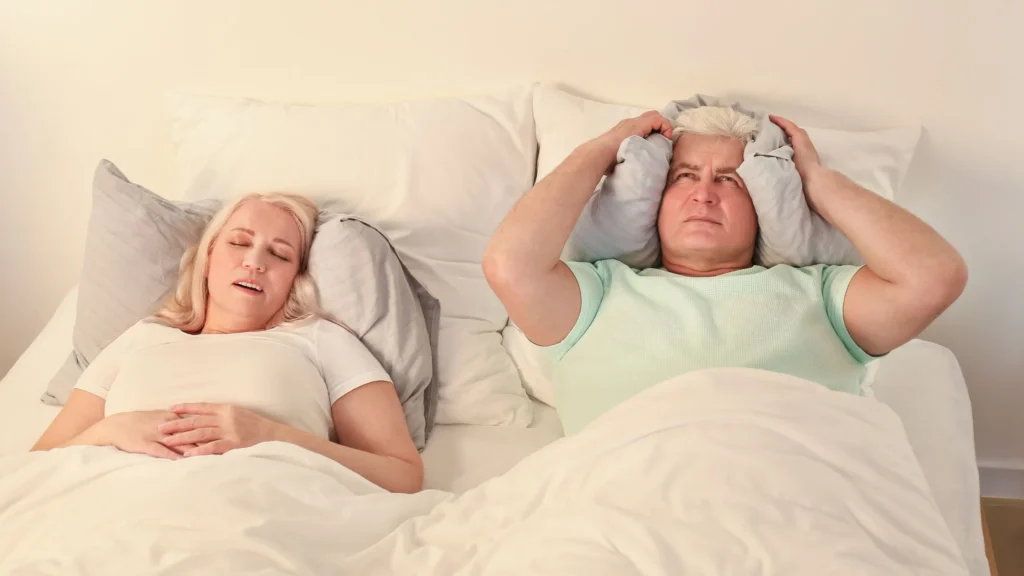
Q: Why does snoring feel louder lately—after travel, stress, or burnout?
Q: Can an anti snoring mouthpiece improve sleep quality without turning your nightstand into a gadget showroom?
Yes, snoring can be more than background noise. It can also be a clue that your breathing is getting restricted during sleep. And yes, a mouthpiece can be a practical option for some people—especially if you want a simple tool that fits into real life, not a complicated “sleep optimization” project.
Overview: why snoring is getting so much attention right now
Sleep is having a moment. Wearables score your nights. “New year, new habits” lists push better routines. People joke about snoring on social media because relationship sleep is real. Meanwhile, more health coverage is reminding everyone that persistent snoring can connect to bigger issues, including sleep apnea and heart health.
Snoring happens when airflow is partly blocked and tissues vibrate. That can show up as: noisy breathing, fragmented sleep, dry mouth, or waking up feeling unrefreshed. It can also create a ripple effect—irritability, brain fog, and that “I’m running on fumes” vibe at work.
If you want a quick, plain-language reference point, review Central Sleep Apnea vs. Obstructive Sleep Apnea: Which Is More Serious?. If any of those signs sound familiar, it’s worth discussing with a clinician.
Timing: when to try a mouthpiece (and when to pause)
Think of timing as your decision filter. Don’t start with “What’s trending?” Start with “What’s happening at night, and how do I feel during the day?”
Good times to consider an anti-snoring mouthpiece
A mouthpiece may be worth a try if snoring is frequent, your partner is nudging you all night, and you suspect the issue is mainly mechanical—jaw position, mouth breathing, or sleeping on your back.
It can also be a smart move during life seasons that worsen snoring. Travel fatigue, late dinners, alcohol close to bedtime, and nasal congestion can all make snoring louder. A simple device can be easier than rebuilding your entire routine.
Times to get evaluated first
Pause the DIY approach and get medical guidance if snoring comes with choking/gasping, witnessed pauses in breathing, significant daytime sleepiness, morning headaches, or high blood pressure. Those can be signs of sleep apnea.
Also get advice if you have jaw pain, significant dental issues, or a history of TMJ problems. Comfort and safety matter more than “pushing through.”
Supplies: what you need for a realistic at-home trial
Skip the “sleep lab at home” fantasy. You only need a few basics to run a clean experiment for 10–14 nights.
- A consistent bedtime window (even within 30–60 minutes helps)
- A simple tracking note (snoring reported by partner, wake-ups, morning energy)
- Water + basic oral hygiene (mouthpieces feel better with clean teeth and hydrated tissues)
- Optional: nasal rinse/saline or humidifier if congestion is common
If you want a combined approach that targets jaw position and mouth opening, consider an anti snoring mouthpiece. Many couples like the “one purchase, one plan” simplicity.
Step-by-step (ICI): a simple plan to test what actually helps
This is an ICI approach: Identify the likely trigger, Choose the simplest intervention, then Iterate based on results. No perfection required.
1) Identify your most likely snoring trigger
Use these quick cues:
- Back sleeper? Tongue and soft tissues can fall back more easily.
- Mouth open in sleep? Dry mouth in the morning is a hint.
- Congested? Snoring often spikes with allergies, colds, or dry hotel air.
- Stress/burnout? Short sleep and irregular schedules can make nights choppier.
2) Choose one primary change for 10–14 nights
Pick one lever so you can tell what worked. If you choose a mouthpiece, keep everything else steady. That includes alcohol timing, bedtime, and screen habits.
If you choose sleep habit changes first, start with the easiest: a consistent wake time. It supports your circadian rhythm without requiring a whole lifestyle overhaul.
3) Iterate based on a simple scorecard
Each morning, rate:
- Noise: 0–10 (partner report or your own wake-ups)
- Sleep quality: 0–10 (how restored you feel)
- Day function: 0–10 (focus, mood, energy)
If noise drops but you feel worse, something else may be going on. If noise and sleep quality improve together, you’re on the right track.
4) Keep expectations realistic
Snoring is not a moral failure. It’s biomechanics plus lifestyle plus anatomy. Some nights will still be messy—especially after red-eye flights, late work deadlines, or a stressful week.
Mistakes that waste money (and sleep)
Stacking too many fixes at once
A new pillow, a new mouthpiece, mouth tape, a wearable, and a supplement all in the same week? If it improves, you won’t know why. If it fails, you’ll blame the wrong thing.
Ignoring red flags
Snoring plus breathing pauses or severe daytime sleepiness deserves evaluation. It’s not just a relationship issue. It can be a health issue.
Forcing a painful fit
Mild adjustment discomfort can happen early. Sharp pain, lingering jaw soreness, or tooth pain is a stop sign. Comfort is part of compliance, and compliance is part of results.
Chasing “perfect sleep” trends
Sleep gadgets can be fun, but they can also create performance pressure. If your tracker makes you anxious, simplify. Better sleep often comes from boring consistency, not constant optimization.
FAQ: quick answers people want before they buy
Is snoring worse with stress?
It can be. Stress often disrupts sleep timing and depth, and that can make snoring more noticeable. Stress can also increase alcohol use or late-night scrolling, which doesn’t help.
Why does travel make snoring louder?
Dry air, congestion, alcohol, and sleeping on unfamiliar pillows can all contribute. Jet lag also fragments sleep, which can amplify problems.
Can relationship sleep be “fixed” without separate bedrooms?
Often, yes. A mouthpiece trial, side-sleep support, and basic sleep hygiene can reduce conflict. Sometimes separate blankets or a bigger bed is the unsung hero.
CTA: ready to try a simpler path to quieter nights?
If snoring is dragging down your sleep quality (and your partner’s patience), start with one clear experiment and stick with it long enough to learn something. If you want an option designed to address jaw position and mouth opening together, explore your next step here:
How do anti-snoring mouthpieces work?
Medical disclaimer: This article is for general education and is not medical advice. Snoring can have many causes, including sleep apnea. If you have loud frequent snoring, breathing pauses, choking/gasping, chest pain, severe daytime sleepiness, or concerns about your heart or breathing, seek evaluation from a qualified clinician.