
Snoring is having a moment. Not the cute kind.
Between travel fatigue, burnout-y mornings, and sleep gadgets all over social feeds, more people are asking the same question: “Can I fix this at home without wasting money?”
Thesis: If your snoring is position- or jaw-related, an anti snoring mouthpiece can be a practical, budget-friendly step—when you choose it carefully and watch for safety flags.
The big picture: snoring isn’t just “noise”
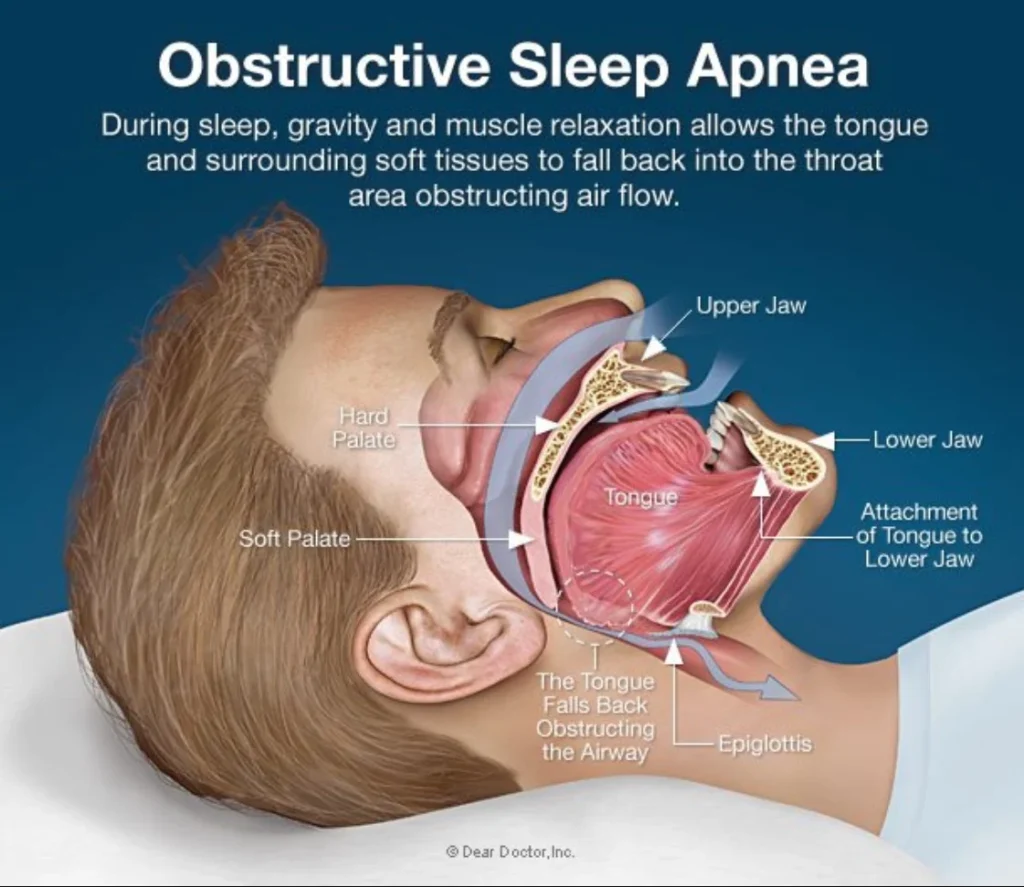
Snoring often shows up when your airway narrows during sleep. That narrowing can come from sleep position, nasal blockage, alcohol, or the way your jaw and tongue relax at night.
Recent health coverage has also pushed a bigger point into the mainstream: persistent snoring can overlap with sleep-disordered breathing, including obstructive sleep apnea. That’s one reason you’ll see more headlines tying snoring to overall health, including heart health, in a general way.
If you want a high-level read on why snoring can be more than a nuisance, here’s a helpful reference: Zeus Sleep’s anti-snoring wearable secures grant for NHS sleep apnea trials.
The emotional side: sleep is a relationship issue (and a work issue)
Snoring jokes land because they’re relatable. The real-life version is less funny at 2:13 a.m. when someone is on the couch, the dog is confused, and you both have meetings tomorrow.
Sleep quality affects patience, focus, and mood. When sleep goes sideways for weeks, it can look like “workplace burnout” even when the root problem is simply broken sleep.
That’s why anti-snoring products keep trending. Wearables, apps, and new sleep tech are everywhere. Still, a simple mouthpiece can be the most direct “do it tonight” option for the right person.
Practical steps first: the no-waste checklist
Before you buy anything, try the low-cost moves that can reduce snoring for many people.
1) Run a two-night position test
Snoring is often worse on your back. Try side-sleeping for two nights and compare. A body pillow or a backpack-style “don’t roll over” trick can help.
2) Tighten the timing on alcohol and heavy meals
Alcohol close to bedtime relaxes airway muscles for many people. Late, heavy meals can also make sleep feel rough. You don’t need perfection—just a cleaner window before bed.
3) Clear the nose, reduce the guesswork
Congestion can push you into mouth-breathing, which can worsen snoring. Simple steps like addressing allergies, using saline rinse, or trying a nasal strip can be worth a short trial.
4) Track the outcome in plain language
Skip the complicated spreadsheets. Write down three things for a week: bedtime, snoring severity (1–5), and daytime sleepiness (1–5). That’s enough to see patterns.
Where an anti snoring mouthpiece fits (and why it’s trending)
Anti-snoring mouthpieces keep showing up in “best of” lists and reviews because they’re relatively accessible. You don’t need a subscription, a charger, or a new mattress.
Many popular options are mandibular advancement devices (MADs). They aim to gently position the lower jaw forward, which can help keep the airway more open for certain snorers.
Signs a mouthpiece may be worth trying
- Your snoring is worse on your back or after alcohol.
- You wake with a dry mouth (suggesting mouth-breathing).
- Your partner reports steady snoring rather than frequent gasping or pauses.
- You want a travel-friendly option for hotels, work trips, or jet lag weeks.
When a mouthpiece is less likely to be the whole answer
- Snoring comes with choking/gasping, witnessed breathing pauses, or significant daytime sleepiness.
- You have ongoing nasal obstruction that isn’t addressed.
- You have jaw pain, known TMJ issues, or unstable dental work.
If you’re comparing options and want a combo approach, a anti snoring mouthpiece can be appealing for people who struggle to keep their mouth closed during sleep.
Safety and testing: quick checks before you commit
Sleep products are getting more attention lately, including wearables heading into clinical trials and mouthpieces getting more formal review coverage. That’s good news for consumers, but you still need a personal safety screen.
Do a “mouth and jaw” pre-check
- Teeth/gums: If you have loose teeth, gum disease, or recent dental work, ask your dentist first.
- Jaw comfort: If you already wake with jaw soreness or clicking, be cautious with jaw-advancing devices.
- Fit and feel: A device should feel secure, not painful. Sharp pressure points are a stop sign.
Start small to avoid buyer’s remorse
Give it a fair trial, but don’t force it. Try short wear periods at first, then build up. If you notice worsening jaw pain, tooth pain, or bite changes, stop and get professional advice.
Know the red flags that warrant medical evaluation
Talk to a clinician if you have loud nightly snoring plus any of the following: witnessed pauses in breathing, gasping/choking, morning headaches, high blood pressure, or major daytime sleepiness. Those can be signs of sleep apnea, which deserves proper testing.
FAQ: quick answers people are searching right now
Do anti-snoring mouthpieces work for everyone?
No. They’re most promising when the issue is airway narrowing related to jaw/tongue position. Other causes may need different solutions.
What’s the difference between a mouthguard and a mandibular advancement device (MAD)?
A MAD is designed to reposition the lower jaw forward. A basic guard may protect teeth but won’t always change airflow in a meaningful way.
Can I use one if I suspect sleep apnea?
Don’t self-diagnose. If you suspect sleep apnea, get evaluated. Some people use oral appliances under clinical guidance, but safety and effectiveness depend on the individual.
How fast should snoring improve?
Some people notice change within a few nights. Others need adjustments and a longer trial. If nothing changes after a reasonable trial, reassess the cause.
Is it normal to drool or feel odd at first?
Mild drooling or “this feels weird” can happen early on. Persistent pain, tooth sensitivity, or bite changes are not something to push through.
CTA: make the next step simple
If you want a straightforward, at-home option to test whether jaw position is part of your snoring, start with a device you can actually stick with.
How do anti-snoring mouthpieces work?
Medical disclaimer: This article is for general education only and isn’t medical advice. Snoring can have many causes, including sleep apnea. If you have symptoms like gasping, witnessed breathing pauses, chest pain, severe daytime sleepiness, or concerns about your heart or breathing, seek evaluation from a qualified clinician.