
- Snoring is a sleep-quality problem first—for you and anyone within earshot.
- More people are trying sleep gadgets, but the “best” tool depends on why you snore.
- An anti snoring mouthpiece can help when jaw position and airflow are the main issue.
- Safety matters: fit, hygiene, and screening for sleep apnea reduce avoidable risks.
- Document what you try so you can tell what’s working (and what’s not).
The big picture: why snoring is suddenly everywhere
Snoring isn’t new. The conversation around it is. Between wearable sleep scores, “smart” pillows, and viral bedtime routines, people are treating sleep like a performance metric.
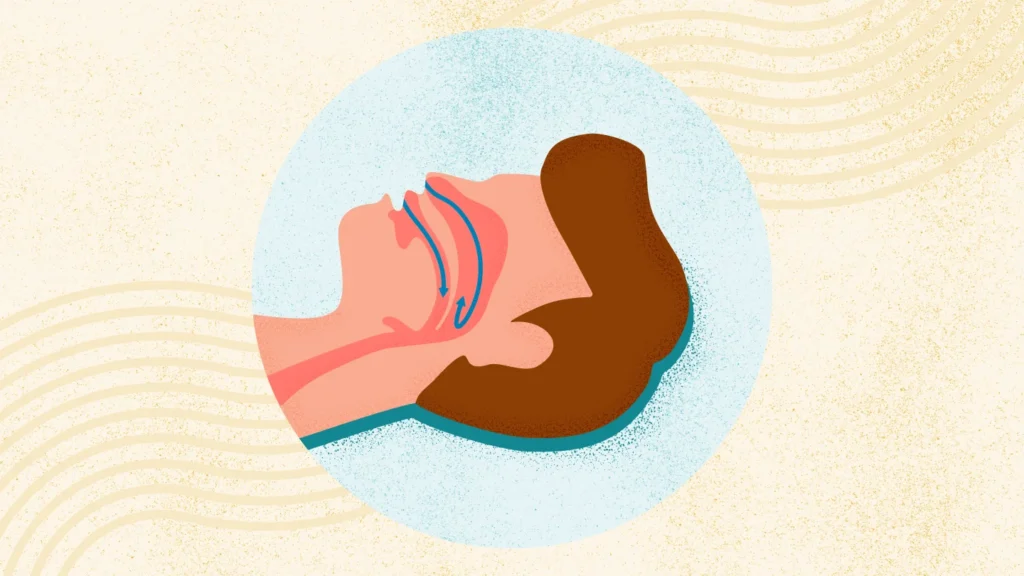
Add travel fatigue, late-night scrolling, and workplace burnout, and it’s easy to see why more couples are negotiating sleep like it’s a household budget. The jokes are real, but the tiredness is too.
Some recent health coverage has also pushed a bigger theme: small nighttime choices can matter for long-term health. If you want a general example of the kind of discussion making the rounds, see this related search topic: New clinical trial will test innovative anti-snoring device to tackle sleep disruption.
The human side: partners, embarrassment, and “sleep divorce” humor
Snoring has a social cost. People feel awkward bringing it up. Partners feel guilty for being annoyed. Then both people feel tired the next day.
That’s why snoring solutions trend so quickly. They promise peace without a big medical process. It’s also why it’s worth slowing down and choosing a plan you can actually stick with.
Practical steps: a no-drama way to improve sleep quality
Step 1: figure out your most likely snoring pattern
You don’t need a lab to start observing. You do need honesty and a simple log.
- Back-sleeping snoring: often louder, sometimes improves with side sleeping.
- Mouth-open snoring: may come with dry mouth and a sore throat in the morning.
- “Only when I drink” snoring: alcohol near bedtime can relax airway muscles and worsen noise.
- “Only when congested” snoring: points to nasal obstruction or allergies as a trigger.
Write down what happened the night before. Include travel days, late meals, and stress spikes. Patterns show up fast.
Step 2: use quick, low-risk changes first
These won’t fix every case, but they’re worth trying for a week before you buy your fifth gadget.
- Keep sleep and wake times consistent most days.
- Limit alcohol close to bedtime if it reliably worsens snoring.
- Try side sleeping support (pillow strategy or positional cues).
- Address nasal stuffiness (humidification or clinician-approved options if needed).
- Protect the bedroom: cooler, darker, quieter, and screen-light reduced.
Step 3: when an anti snoring mouthpiece is a reasonable next move
Anti-snoring mouthpieces are popular because they’re tangible. You can put one in and test it the same night. That’s appealing when you’re exhausted and your partner is giving you “the look.”
In general terms, mouthpieces are often designed to support the jaw and tongue position to keep airflow more open. They tend to be discussed alongside other anti-snoring tech because they’re non-surgical and relatively accessible.
If you want a product-style option that combines approaches, you can look at an anti snoring mouthpiece. The key is not the hype. It’s whether the design matches your snoring pattern and comfort needs.
Safety and screening: reduce avoidable risks (and regret)
Know the red flags before you self-treat
Snoring can be simple. It can also be a sign that breathing is being disrupted during sleep. If any of the points below sound familiar, consider a medical evaluation rather than only trying gadgets.
- Witnessed breathing pauses, choking, or gasping during sleep
- Significant daytime sleepiness, dozing while driving, or morning headaches
- High blood pressure, or a strong family history of sleep apnea
- Snoring that is loud, nightly, and getting worse over time
Fit, comfort, and jaw health: what to monitor
A mouthpiece shouldn’t feel like a punishment. Mild adjustment discomfort can happen early on, but sharp pain is a stop sign.
- Stop and reassess if you get jaw pain, tooth pain, gum irritation, or new clicking.
- Watch for bite changes in the morning that don’t resolve quickly.
- Don’t “power through” significant symptoms just to keep the peace.
Hygiene and documentation: boring, but protective
Night devices live in a warm, moist environment. That means hygiene isn’t optional. Clean and dry the device as directed by the manufacturer. Replace it on schedule.
Also document your choices. Keep a simple note with: start date, comfort rating, snoring feedback from a partner (or an app), and any side effects. This reduces trial-and-error whiplash and helps if you later talk with a clinician.
Testing mindset: what “working” should look like
Don’t judge success by one perfect night. Look for trend improvements across 10–14 nights.
- Less snoring intensity or fewer wake-ups
- Better morning energy and fewer headaches
- Fewer partner disruptions (the relationship metric that matters)
If nothing improves, that’s still useful data. It suggests your snoring may not be mainly jaw-position related, or that another sleep issue is present.
FAQ
Do anti-snoring mouthpieces work for everyone?
No. They often help when snoring is tied to jaw position or mouth breathing, but they may not help if snoring is driven by nasal blockage or untreated sleep apnea.
How long does it take to get used to an anti snoring mouthpiece?
Many people need a few nights to a couple of weeks. Start gently, track comfort, and stop if you get significant jaw pain or tooth issues.
Is loud snoring always sleep apnea?
Not always, but loud, frequent snoring plus choking/gasping, witnessed breathing pauses, or heavy daytime sleepiness are common red flags to get evaluated.
Can a mouthpiece damage teeth or the jaw?
It can if the fit is poor or if you already have TMJ symptoms. Watch for new bite changes, tooth soreness, or jaw clicking and discontinue if symptoms persist.
What else can improve sleep quality besides a mouthpiece?
Side sleeping, reducing alcohol close to bedtime, treating nasal congestion, consistent sleep timing, and a cooler, darker room can all reduce snoring triggers.
Call to action: make a plan you can repeat
If snoring is hurting sleep quality, pick one change you can maintain this week. Then add one tool if you still need help. Consistency beats collecting gadgets.
How do anti-snoring mouthpieces work?
Medical disclaimer: This article is for general education only and is not medical advice. Snoring can be associated with sleep apnea and other health conditions. If you have breathing pauses, choking/gasping, significant daytime sleepiness, chest pain, or concerns about heart health, seek evaluation from a qualified clinician.