
It started as a joke on a red-eye flight. A couple in the row behind you did the classic “nudge-and-glare” routine every time the snoring kicked up. By the time the plane landed, nobody felt rested, and the snorer looked just as wrecked as everyone else.
That’s the current vibe around sleep: less “quirky habit,” more “this is messing with my day.” Between sleep gadgets on social feeds, burnout conversations at work, and relationship humor that hits a little too close, people are asking the same thing—how do you get better sleep without turning bedtime into a second job?
Why is snoring suddenly everyone’s problem?
Snoring isn’t new. What’s new is how many people are tracking their sleep, comparing notes, and realizing their “normal” is actually poor sleep quality. Wearables, smart alarms, and sleep apps have made fatigue harder to ignore.
Also, modern life isn’t gentle on sleep. Late-night scrolling, inconsistent schedules, and stress can all stack the deck. Add travel fatigue and shared bedrooms, and snoring becomes a nightly negotiation.
What does “better sleep quality” actually mean?
Sleep quality is less about hitting a perfect number and more about how you function. If you wake up groggy, crash mid-afternoon, or feel irritable despite “enough hours,” something’s off.
Snoring can be part of that picture because it may fragment sleep. Even when you don’t fully wake up, micro-arousals can leave you feeling unrefreshed.
Which sleep hygiene tips are people repeating right now?
Sleep hygiene is trending again for a reason: it’s boring, but it works for many people. The most repeated advice is simple—keep a consistent wake time, reduce late caffeine, and make the room dark and cool.
If you want a quick reference to what’s been circulating in campus wellness and mainstream sleep coverage, see Snooze smarter with these Campus Health sleep hygiene tips.
When should you think about an anti snoring mouthpiece?
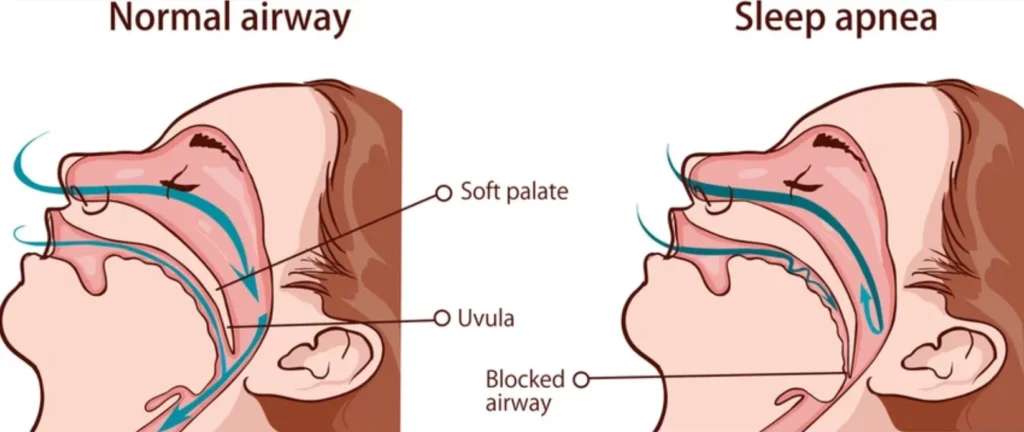
If snoring is frequent and you’ve already cleaned up the obvious sleep basics, a device can be a reasonable next step. An anti snoring mouthpiece is often discussed alongside pillows, nasal options, and other anti-snore gear because it targets a common mechanical issue: airway narrowing related to jaw or tongue position.
It’s not a “one-size-fixes-all” solution. Still, it’s popular because it’s direct, portable, and doesn’t require changing your entire bedtime routine.
Signs a mouthpiece might be worth a look
- You snore more when sleeping on your back.
- Your partner reports loud, consistent snoring (not just occasional).
- You travel often and want a compact option.
- You’ve tried basic sleep hygiene and still wake up tired.
How do mouthpieces compare to the “sleep gadget” wave?
A lot of sleep tech focuses on measuring: sleep stages, scores, trends. That can be motivating, but it doesn’t always change the cause of snoring.
Mouthpieces are more “do something” than “track something.” If your main problem is noise and disrupted rest, an intervention may matter more than another graph.
What should you look for in a mouthpiece setup?
Focus on comfort, stability, and how it fits your habits. Many people quit because a device feels bulky or shifts during the night. If you breathe through your mouth, a supportive add-on can matter.
If you want an example of a combined approach, consider an anti snoring mouthpiece. It’s a simple way to address both positioning and mouth opening, which can be a common snoring pattern.
What if snoring is hurting your relationship (or your workday)?
People laugh about “sleep divorce,” but chronic sleep disruption can snowball into real stress. It can also feed workplace burnout, because tired mornings turn into low patience and heavy caffeine cycles.
Make it a shared problem, not a blame game. Try one change at a time for a week—room setup, side-sleep support, then a device if needed—so you can tell what actually helped.
When is snoring a reason to talk to a clinician?
Get medical advice if snoring comes with choking/gasping, breathing pauses, morning headaches, high daytime sleepiness, or high blood pressure concerns. Those can signal a bigger sleep-breathing issue that needs professional evaluation.
Common questions
Can a mouthpiece help if I only snore during travel?
It might. Travel changes sleep position, hydration, and routine. A portable device can be easier than recreating your home setup.
Do pillows “for snoring” replace a mouthpiece?
Sometimes they help, especially if your snoring is mostly positional. If positioning isn’t enough, a mouthpiece may be the next step.
What if I keep waking up in the middle of the night?
Look at the basics first: light, temperature, alcohol, late meals, and stress. If snoring or breathing disruptions are suspected, bring it up with a clinician.
Medical disclaimer: This article is for general education only and isn’t medical advice. It does not diagnose or treat any condition. If you have loud chronic snoring, choking/gasping, or significant daytime sleepiness, talk with a qualified healthcare professional.