
Snoring isn’t just a sound. It’s a nightly negotiation.
One person wants deep sleep. The other wants to stop being nudged at 2 a.m.
Right now, people are comparing sleep gadgets and simple fixes—yet the best choice is the one that matches why you snore.
Why is everyone suddenly talking about snoring and sleep quality?
Sleep has become a lifestyle category. You see it in wearables, smart alarms, and “sleep optimization” routines that look like a second job.
At the same time, real life is loud. Travel fatigue, late-night screens, and workplace burnout all push sleep quality down. Snoring then becomes the easiest thing to blame, especially when two people share a room.
There’s also a relationship angle. Snoring turns into a running joke—until it isn’t funny. Resentment builds when one partner feels responsible for the other’s exhaustion.
What is an anti snoring mouthpiece, and what does it actually do?
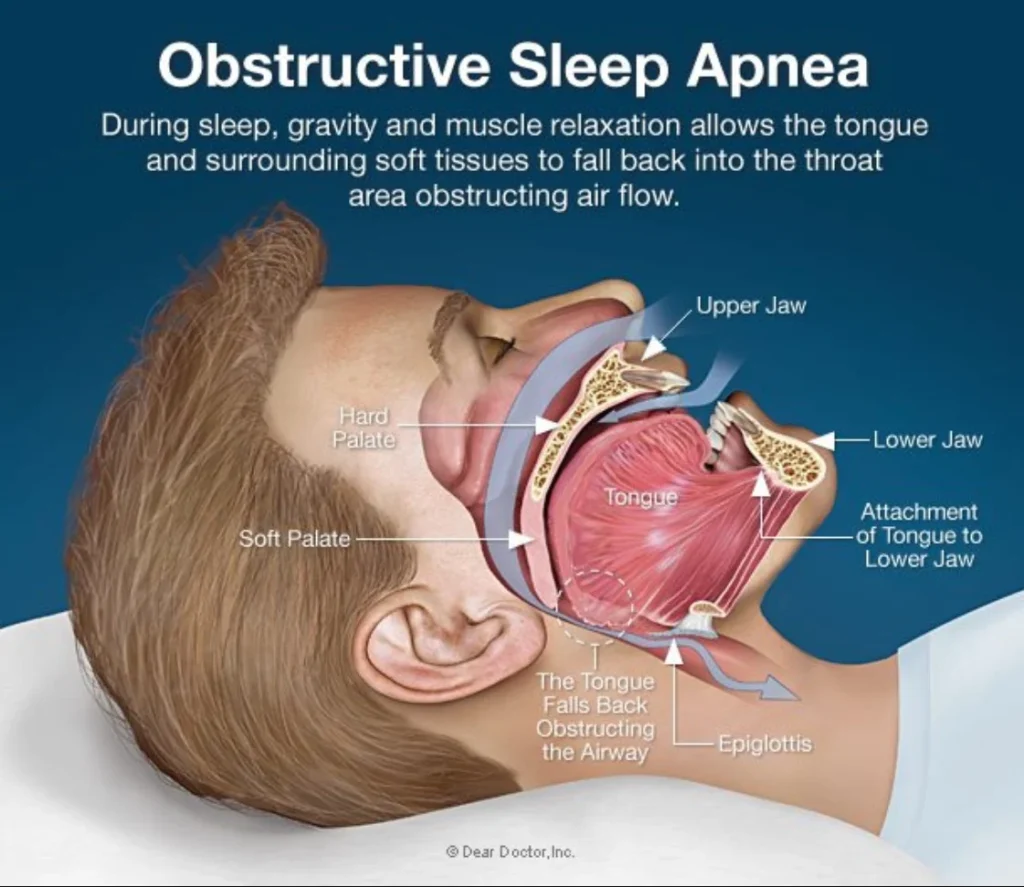
An anti snoring mouthpiece is usually designed to keep your airway more open while you sleep. The most common style is a mandibular advancement device (MAD). It gently positions the lower jaw forward, which can reduce airway collapse for some people.
That “for some people” matters. Snoring can come from multiple sources, including nasal congestion, sleep position, alcohol, or anatomy. A mouthpiece targets jaw/tongue-related narrowing. It won’t fix every cause.
Why mouthpieces are trending alongside other sleep tools
Recent coverage has highlighted buyers comparing mouthpieces with pillows, tapes, and other anti-snore devices. The common theme is simple: people want something practical, not a complicated sleep overhaul.
If you’re scanning reviews, keep your expectations grounded. Look for explanations, not hype. A good product description tells you how it works and what to check before you commit.
What should you verify before buying a mouthpiece?
Consumer-style roundups keep coming back to the same idea: verify the basics before you trust the claims. Here’s a fast checklist you can use.
Fit and adjustability
Comfort drives consistency. If it feels bulky or forces your jaw too far, you’ll stop using it. Look for clear sizing or molding instructions and some way to fine-tune the position.
Materials and comfort details
Soft edges, smooth surfaces, and a design that doesn’t dig into gums matter more than flashy packaging. If you have dental work or jaw sensitivity, be extra cautious.
Cleaning and durability
A mouthpiece lives in a warm, moist environment. Easy cleaning instructions and realistic replacement guidance are not “nice to have.” They’re part of sleep hygiene.
Return policy and transparency
Snoring solutions are personal. A clear return policy reduces risk, especially if you’re experimenting to protect your sleep—and your relationship.
If you want a general reference point for what buyers are being told to verify, see this coverage: SleepZee Anti-Snoring Mouthpiece Consumer Report: 2026 Analysis of Mandibular Advancement Device Research, Snoring Reduction Claims, and What Buyers Should Verify.
Are pillows, mouth tape, and other anti-snore devices better?
They can be, depending on the cause. That’s why the “best device” lists are popular right now. People want a shortcut.
Anti-snoring pillows
Pillows often aim to change head/neck position or encourage side sleeping. They can help if your snoring is mostly positional. If the issue is jaw/tongue collapse, a pillow may not be enough.
Mouth tape
Mouth taping is getting attention as a minimalist sleep trend. It may support nasal-breathing habits for some people. It also has risks, especially with congestion or possible sleep-disordered breathing.
Why a mouthpiece stays on the shortlist
A mouthpiece is a direct mechanical approach. It doesn’t require you to “train” yourself overnight. For many couples, that practicality is the point.
How do you talk about snoring without starting a fight?
Start with the shared goal: better sleep for both of you. Avoid jokes in the moment, especially at night when everyone is tired.
Try a simple script: “I’m worried we’re both running on empty. Can we test one change for two weeks and see if it helps?” That turns it into a team experiment, not a personal flaw.
When is snoring a medical issue, not a gadget problem?
Snoring can be harmless. It can also be a sign of obstructive sleep apnea. If you notice choking, gasping, breathing pauses, or heavy daytime sleepiness, don’t rely on consumer devices alone.
Medical disclaimer: This article is for general education and does not replace medical advice. If you suspect sleep apnea, have jaw pain, dental issues, or persistent sleep problems, talk with a qualified clinician or dentist before starting or changing treatment.
FAQ: quick answers people want right now
Can an anti-snoring mouthpiece improve sleep quality?
It can if it reduces snoring and micro-awakenings. Better sleep often shows up as improved morning energy and fewer nighttime disruptions for your partner.
How long does it take to get used to a mouthpiece?
Many people need a short adjustment period. Start with realistic expectations and prioritize comfort and fit.
What if my partner snores and refuses to try anything?
Focus on impact, not blame. Offer options and agree on a trial period. If red flags for sleep apnea exist, encourage a medical evaluation.
CTA: pick a mouthpiece option that’s easy to stick with
If you’re comparing solutions and want a straightforward option to try at home, consider an anti snoring mouthpiece.