
Is your snoring getting louder lately?
Is it wrecking your sleep quality—or your partner’s patience?
And are you wondering whether an anti snoring mouthpiece is actually worth trying?
You’re not alone. Sleep gadgets are everywhere right now, from wearables to “smart” pillows. At the same time, people are talking more openly about burnout, travel fatigue, and the not-so-funny reality of separate bedrooms. Snoring sits right in the middle of all of it: health, stress, and relationship dynamics.
This guide answers those three questions in plain language. It also flags when snoring could be more than an annoyance.
Why does snoring feel worse right now?
Snoring often gets framed as a joke. Then it becomes a nightly argument. That emotional whiplash is common, especially when everyone’s already tired.
Several “right now” factors can make snoring more noticeable:
- Seasonal changes. Colder months can bring congestion and drier air. People also spend more time indoors, which can irritate airways.
- Travel fatigue. Red-eye flights, hotel pillows, and alcohol at conferences can all nudge snoring in the wrong direction.
- Stress and burnout. When you’re depleted, sleep gets lighter. Lighter sleep means you notice every sound.
- More tracking. Apps and wearables make snoring feel “new,” even when it’s been happening for years.
One more reason this topic keeps popping up in headlines: doctors continue to remind people that snoring can overlap with sleep apnea risk, including in winter when breathing issues can feel amplified. If you want that broader context, see this Doctor warns of winter sleep apnea risks.
Is snoring “just noise,” or is it hurting sleep quality?
Even when snoring isn’t tied to a medical condition, it can still crush sleep quality. Not only for the person hearing it, but also for the person doing it.
Here’s how it usually plays out:
- Micro-wakeups. Your partner wakes up repeatedly. You might also briefly rouse without remembering.
- Sleep debt. A few fragmented nights stack up fast. Mood and patience drop first.
- Relationship strain. People stop cuddling, then stop going to bed at the same time. Resentment grows quietly.
If you’re laughing about it during the day but dreading bedtime, that’s a sign it’s no longer “harmless.”
Red flags you shouldn’t ignore
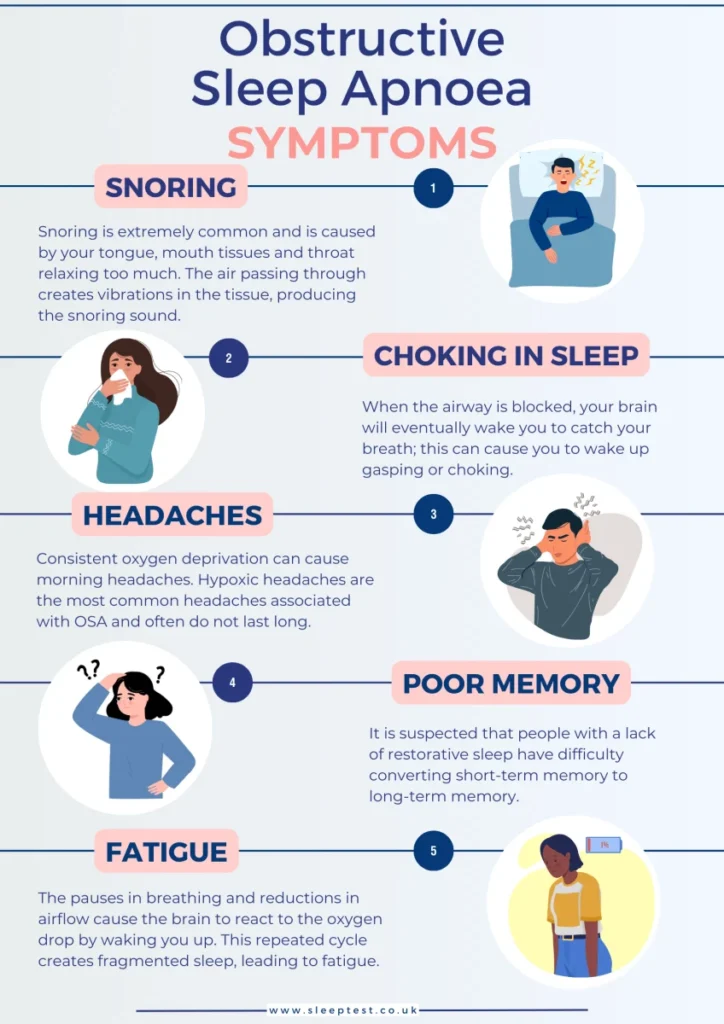
Snoring can be a symptom of sleep-disordered breathing. You don’t need to self-diagnose. Still, it helps to recognize common warning signs and get checked if they fit.
- Breathing pauses noticed by someone else
- Choking or gasping during sleep
- Morning headaches or dry mouth most days
- Strong daytime sleepiness, especially while driving
- High blood pressure history or worsening fatigue
If those are in the picture, a mouthpiece might not be the right first step. A clinician can help you sort out what’s going on.
What are people trying for snoring right now—and why?
Snoring solutions are trending because they promise fast relief. Some are useful. Others are more hype than help.
Here’s the honest pattern many couples go through:
- Step 1: “Quick hacks.” Nasal strips, humidifiers, special pillows, and sleep-position experiments.
- Step 2: Gadget escalation. Apps, rings, watches, and “snore scores” that create urgency but not always clarity.
- Step 3: The relationship workaround. Earplugs, white noise, couch nights, or separate rooms.
- Step 4: A targeted tool. That’s where an anti snoring mouthpiece often enters the chat.
None of these steps make you “dramatic.” They mean you want sleep to feel normal again.
How can an anti snoring mouthpiece help?
An anti snoring mouthpiece is designed to reduce snoring by improving airflow while you sleep. Many options do this by gently supporting the lower jaw forward (often called a mandibular advancement style). Some focus on tongue positioning instead.
In plain terms: if your snoring happens because your airway narrows when your jaw relaxes, a mouthpiece may reduce the vibration that creates the sound.
When a mouthpiece tends to make sense
- Your snoring is worse on your back
- Your partner reports steady snoring (not repeated gasping)
- You want a non-invasive option before more complex interventions
- You’re looking for something portable for travel
When it may not be the best match
- You suspect sleep apnea symptoms (gasping, breathing pauses, severe sleepiness)
- You have significant jaw pain, TMJ issues, or dental instability
- You can’t breathe through your nose at night due to ongoing congestion
Comfort matters. So does fit. If you try one, give it a fair adjustment period, and stop if pain persists.
How do you bring this up without starting a fight?
Snoring conversations go sideways when they sound like blame. Try making it a shared problem with a shared goal: better sleep for both of you.
These phrases help keep it calm:
- “I miss sleeping next to you.” It’s honest and not accusatory.
- “Can we run a two-week experiment?” Experiments feel lighter than ultimatums.
- “Let’s pick one thing to try first.” One change beats a whole new routine overnight.
If you’re the snorer, it can feel embarrassing. If you’re the listener, it can feel lonely. Naming that out loud often lowers the temperature fast.
What should you look for in a mouthpiece?
People are comparing products more than ever, partly because review culture is louder and partly because sleep gear is expensive. Keep your checklist simple.
- Adjustability. Small changes can make a big difference in comfort.
- Material comfort. Softer isn’t always better, but rough edges are a deal-breaker.
- Ease of cleaning. If it’s hard to maintain, it won’t last long in real life.
- Support features. Some people like a combo approach, such as pairing jaw support with a chinstrap.
If you want to explore a combo option, here’s a related product search many people use: anti snoring mouthpiece.
FAQ: quick answers people want before bed
Does snoring always mean bad sleep?
Not always. Yet frequent snoring often correlates with fragmented sleep for one or both partners.
Can lifestyle changes help alongside a mouthpiece?
Sometimes. Sleep position, alcohol timing, and nasal comfort can all influence snoring. Keep changes realistic so you can stick with them.
What if my partner refuses to try anything?
Start with the shared impact: “I’m not sleeping.” Then propose one low-effort step and revisit after a week.
Next step: choose one experiment for the next 14 nights
If snoring is affecting your relationship or your daytime energy, you deserve a plan that doesn’t rely on willpower. A mouthpiece can be one practical step, especially when you want something simple and travel-friendly.
How do anti-snoring mouthpieces work?
Medical disclaimer: This article is for general education and is not medical advice. Snoring can have multiple causes, including sleep apnea. If you have breathing pauses, gasping, significant daytime sleepiness, chest pain, or persistent jaw/dental pain with any device, seek guidance from a qualified healthcare professional.