
- Snoring is trending again because burnout, travel fatigue, and sleep gadgets keep sleep on everyone’s feed.
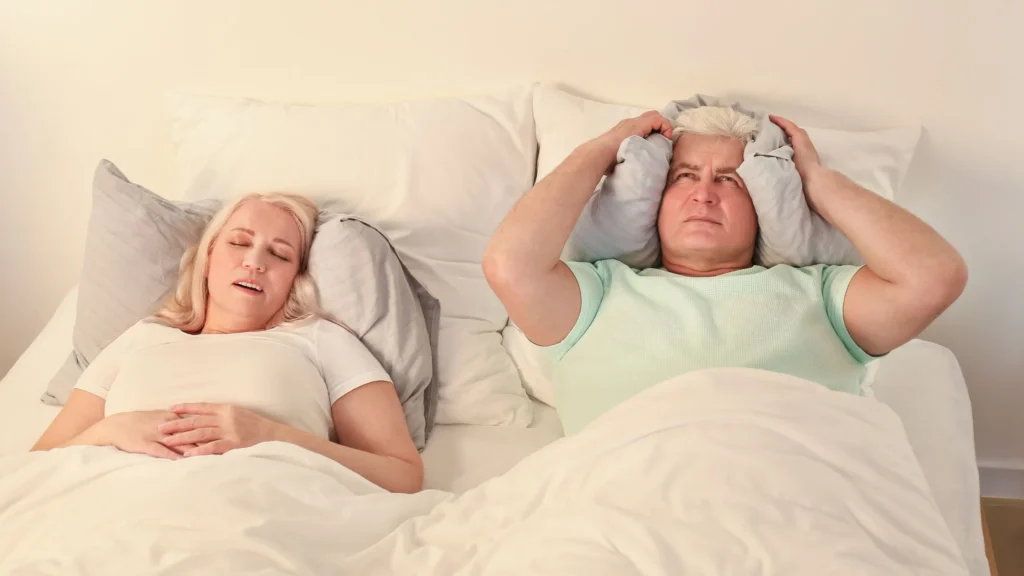
- Relationship “sleep divorce” jokes land because snoring affects two people, not one.
- Dental sleep therapies are getting attention, including oral appliances that reposition the jaw or tongue.
- Nasal tools are having a moment, especially for people who feel chronically “stuffed up” at night.
- An anti snoring mouthpiece can be a practical next step when lifestyle tweaks aren’t enough.
What people are talking about right now (and why)
Sleep content has shifted from “just get 8 hours” to “optimize everything.” You’ll see smart rings, white-noise machines, mouth tape debates, and a new wave of travel recovery tips. The vibe is clear: people feel tired, and they want answers that fit real life.
At the same time, snoring is getting more serious attention in health circles. Conferences and clinical discussions keep highlighting improved ways to identify and treat sleep-disordered breathing. If you want a broad, news-style overview of what’s being discussed, see Advances in Diagnosis and Treatment of Sleep Apnea and Snoring – 31st Annual.
The cultural side: gadgets, jokes, and “why am I exhausted?”
Snoring has become a punchline and a pain point. Couples swap stories about pillow barricades and separate blankets. Work-from-home burnout also makes it harder to ignore sleep quality. When your energy is low, every night feels like a performance review.
Travel adds another layer. Late flights, hotel air, and unfamiliar beds can turn mild snoring into a full-volume event. That’s why portable fixes—like nasal strips, nasal dilators, and mouthpieces—keep popping up in reviews and shopping lists.
What matters medically (without overcomplicating it)
Snoring happens when airflow becomes turbulent and soft tissues vibrate. The “why” can differ. For some people it’s mostly nasal blockage. For others it’s the position of the jaw, tongue, or soft palate during sleep.
Snoring also sits on a spectrum. At one end, it’s occasional and mostly annoying. At the other, it can be linked with obstructive sleep apnea (OSA), a condition where breathing repeatedly reduces or stops during sleep.
Where an anti snoring mouthpiece fits
An anti snoring mouthpiece (often called an oral appliance) is designed to support a more open airway by gently changing jaw or tongue position. It’s not a “sound muffler.” It’s a positioning tool, which is why fit and comfort matter.
Dental organizations and journals have been discussing emerging dental approaches for sleep-disordered breathing. That attention doesn’t mean one product is right for everyone. It does mean oral appliances are a mainstream part of the conversation.
What about nasal strips and nasal dilators?
Nasal tools can help some people breathe more easily through the nose at night, especially when congestion is a big driver. Research reviews continue to evaluate how effective these devices are across different groups. If your snoring is mostly “throat-based,” you may need a different approach.
What you can try at home this week (simple, realistic steps)
You don’t need a 12-step routine. Run a short experiment and change one variable at a time so you can tell what’s helping.
1) Do a quick “pattern check” for 5 nights
Write down three things: bedtime, alcohol timing (if any), and how you felt in the morning. If you share a room, ask for a simple rating (quiet / medium / loud). Patterns show up fast.
2) Tackle nose-first if you’re congested
If you regularly wake up dry-mouthed or feel blocked at night, start with basic nasal support. Some people like nasal strips or dilators because they’re low-commitment. Keep expectations realistic and track the result.
3) Consider a mouthpiece if position seems to matter
If your snoring is worse on your back, after travel, or when you’re extra tired, airway positioning may be part of the story. That’s where a mouthpiece may be worth testing.
If you’re comparing options, this guide to anti snoring mouthpiece can help you think through fit, comfort, and what to look for.
4) Protect sleep quality with two “boring” upgrades
- Side-sleep support: A body pillow or backpack-style trick can reduce back-sleeping for some people.
- Wind-down buffer: Even 15 minutes off screens can help you fall asleep faster, which can reduce the “toss-and-snore” cycle.
When it’s time to get checked (don’t wait on these)
Home experiments are fine for mild snoring. Get medical advice sooner if any of these show up:
- Choking, gasping, or witnessed pauses in breathing
- Morning headaches, high daytime sleepiness, or concentration problems
- High blood pressure concerns or heart risk factors
- Snoring that’s new, rapidly worsening, or paired with weight changes
A clinician can assess whether sleep apnea testing makes sense. A dentist trained in dental sleep medicine may also help evaluate whether an oral appliance is appropriate for your mouth and jaw.
FAQ: quick answers about mouthpieces and sleep health
Do anti-snoring mouthpieces work for everyone?
No. They can help some people, but snoring has multiple causes. The best predictor is whether airway positioning is contributing.
Is snoring always a sign of sleep apnea?
No. Still, loud frequent snoring plus breathing pauses or heavy sleepiness deserves evaluation.
Can nasal strips or dilators replace a mouthpiece?
Sometimes. If nasal blockage is the main issue, nasal tools may help. If the vibration is deeper in the throat, a mouthpiece may be more relevant.
How long does it take to adjust to a mouthpiece?
Many people adapt over several nights. Comfort matters. So does waking jaw feel.
When should I stop using a mouthpiece and get help?
Stop if you notice jaw pain, tooth pain, or bite changes. Also seek help if you have gasping, severe sleepiness, or other apnea-like symptoms.
Next step: get a quieter night without a complicated routine
If snoring is cutting into your sleep quality—or your partner’s—start with one change, track it, and build from there. A mouthpiece can be a practical tool when positioning is part of the problem.
How do anti-snoring mouthpieces work?
Medical disclaimer: This article is for general education only and is not medical advice. Snoring can have many causes, including sleep apnea. If you have breathing pauses, gasping, severe daytime sleepiness, chest pain, or worsening symptoms, seek evaluation from a qualified clinician.