
Myth: Snoring is just a harmless noise.
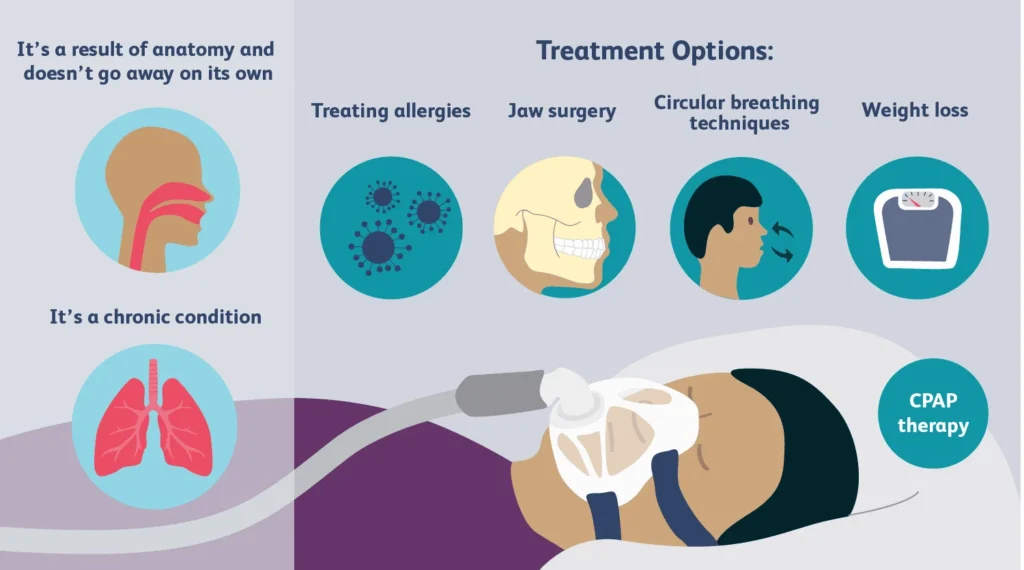
Reality: Snoring often signals disrupted sleep—yours, your partner’s, or both. And right now, with sleep gadgets everywhere, travel fatigue stacking up, and burnout turning bedtime into a battleground, people want fixes that feel practical.
This guide breaks down where an anti snoring mouthpiece fits in the current “sleep health” conversation—alongside pillows, sleep hygiene trends, and the realities of modern schedules.
Why does snoring suddenly feel like everyone’s talking about it?
Snoring has always existed. What’s new is the spotlight. Sleep trackers, smart alarms, and influencer “sleep routines” make nightly rest feel measurable and fixable.
At the same time, the market for anti-snoring products keeps growing. If you’ve seen headlines about the Anti-Snoring Devices Market Size to Hit USD 2.94 Million by 2035, you’ve seen the same signal: more people are actively shopping for solutions.
What’s the fastest way to tell if snoring is hurting sleep quality?
Skip the guesswork and look for patterns. Sleep quality takes a hit when snoring triggers repeated arousals (even if you don’t remember waking).
Common clues include:
- You wake up unrefreshed despite “enough” hours.
- Your partner reports loud snoring, pauses, or gasps.
- You feel foggy, irritable, or unusually snacky in the afternoon.
- You dread bedtime because it’s become a negotiation.
Relationship humor is real here. People joke about “sleep divorces” (separate rooms), but chronic disruption adds up fast.
Which snoring fixes are trending—and which are actually worth trying?
Today’s menu includes everything from specialty pillows to wearable tech. Some help, some are just expensive experiments.
Pillows and positioning
Anti-snore pillows are popular because they feel low-risk. They aim to change head and neck position to reduce airway narrowing. If you mainly snore on your back, side-sleeping strategies can matter.
Still, pillows don’t address every cause. If your jaw relaxes backward or your tongue falls toward the airway, a pillow may not be enough.
Sleep hygiene (the unsexy fix that keeps winning)
Campus health guides and workplace wellness posts keep repeating the basics because they work: consistent schedule, less late caffeine, and a wind-down routine. These aren’t glamorous, but they reduce the conditions that can worsen snoring, like fragmented sleep and late-night alcohol.
Timing shocks: travel fatigue and daylight saving time
Jet lag, red-eye flights, and schedule shifts can push people into lighter, more disrupted sleep. That’s when snoring complaints often get louder. Dry hotel air, allergies, and “vacation drinks” don’t help either.
So where does an anti snoring mouthpiece fit?
An anti snoring mouthpiece is designed to keep the airway more open by adjusting jaw or tongue position during sleep. For many shoppers, that’s appealing because it targets a common mechanical reason snoring happens: tissues relaxing and narrowing airflow.
People tend to consider a mouthpiece when:
- Snoring is frequent and partner-disrupting.
- Pillows and “sleep hacks” haven’t made a dent.
- They want something portable for travel.
- They’re trying to protect sleep during high-stress seasons.
If you’re comparing options, start with a clear product category search like anti snoring mouthpiece and narrow it down based on comfort, adjustability, and fit approach.
How do you choose a mouthpiece without overcomplicating it?
Think “comfort + consistency.” The best device is the one you can actually wear all night.
Use these quick filters
- Fit: A secure fit matters. Loose devices slip; overly tight devices can cause soreness.
- Jaw comfort: Mild adaptation is common. Sharp pain or lasting jaw issues are not a “push through it” situation.
- Breathing: If nasal congestion is constant, address that too, or mouth-breathing may continue to trigger noise.
- Partner impact: The goal is fewer wake-ups in the room, not just a lower snore score on an app.
When is snoring a “don’t DIY this” situation?
Some snoring is more than snoring. If you notice choking/gasping, witnessed breathing pauses, severe daytime sleepiness, or morning headaches, talk with a clinician or a sleep specialist. Those can be signs of sleep-disordered breathing that deserves a proper evaluation.
Common questions (quick answers)
Will a mouthpiece fix every kind of snoring?
No. Snoring can come from multiple factors—nasal blockage, sleep position, alcohol, weight changes, and airway anatomy. A mouthpiece helps most when jaw/tongue position is a key driver.
Can I use a mouthpiece with other sleep upgrades?
Often, yes. Many people pair a mouthpiece with side-sleeping, a consistent bedtime, and smarter travel routines.
What if I only snore during stressful weeks?
That’s common. Burnout can worsen sleep quality, and fragmented sleep can amplify snoring. A consistent plan beats random gadgets.
CTA: Get a clearer plan for quieter nights
If you’re done collecting sleep gadgets and want a targeted approach, start here:
How do anti-snoring mouthpieces work?
Medical disclaimer: This article is for general education only and is not medical advice. Snoring can be a symptom of a medical condition (including sleep apnea). If you have loud chronic snoring, breathing pauses, choking/gasping, chest pain, or significant daytime sleepiness, seek evaluation from a qualified healthcare professional.