
Myth: Snoring is just “noise,” so any sleep gadget will fix it.
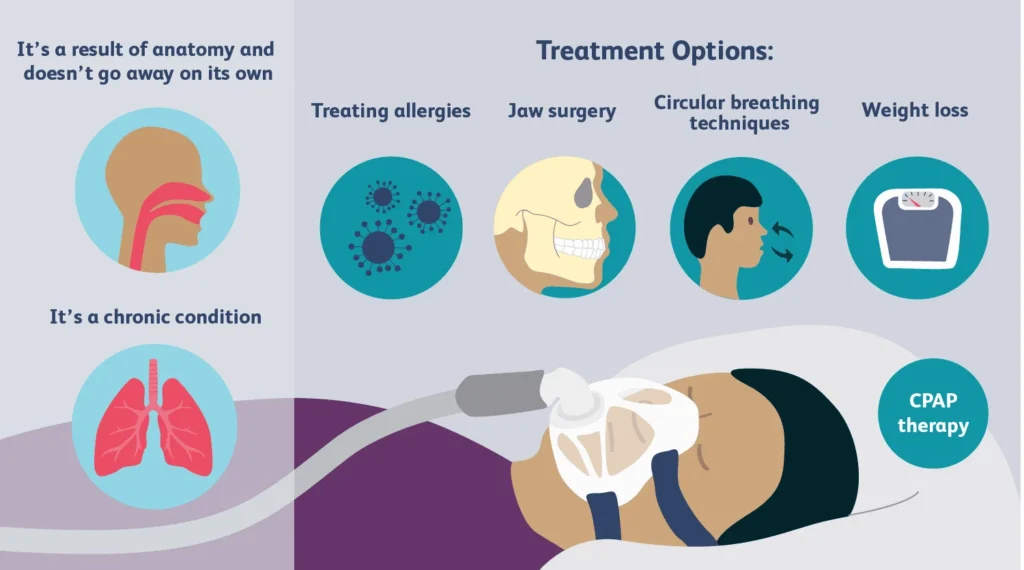
Reality: Snoring is often a sign your airflow is getting cramped during sleep. Some tools help a lot. Others just add stress—especially when you’re already tired from travel, burnout, or late-night scrolling.
The big picture: why snoring and sleep quality are trending again
Snoring used to be a private problem. Now it’s a group chat topic, a relationship joke, and a reason people buy wearables, apps, and “sleepmaxxing” gear. The catch is that more data doesn’t always mean better rest.
Recent sleep coverage has also pushed a simple idea: basics still win. Consistent schedules, a calmer wind-down, and a sleep setup you can actually stick with tend to beat complicated routines. If you want a quick read on practical rest strategies, see Local sleep specialist shares tips to wake up feeling rested.
The emotional side: snoring isn’t funny at 2:13 a.m.
In daylight, snoring can be a harmless punchline. At night, it can feel personal. The non-snorer lies awake, the snorer feels blamed, and both wake up foggy.
Travel fatigue makes it worse. New pillows, dry hotel air, and odd sleep times can turn “sometimes snoring” into “every night.” Add workplace burnout and you get a cycle: stress disrupts sleep, and poor sleep increases stress.
A better approach is to treat snoring like a shared sleep health project. No shaming. No extreme hacks. Just a plan you can test and adjust.
Practical steps: what to try first (before you buy another gadget)
1) Do a quick pattern check
Ask three questions for one week:
- Is snoring worse on your back?
- Is it worse after alcohol or very late meals?
- Do you wake with dry mouth, headaches, or feel unrefreshed?
This isn’t a diagnosis. It’s a clue board. It helps you choose the next step instead of guessing.
2) Simplify your “sleep optimization”
Sleep tracking can be useful, but it can also become a nightly performance review. If you notice you’re obsessing over scores, scale back. Focus on one or two behaviors you can repeat: a consistent bedtime window, dimmer lights, and a short buffer away from work and doomscrolling.
3) Use positioning and nasal comfort as low-risk tests
Side sleeping helps some people. So can addressing nasal dryness or congestion with basic comfort measures. If you can breathe well through your nose, your airway may be less likely to rattle.
If nasal breathing is consistently difficult, don’t force trendy “fixes.” Get it checked.
4) Where an anti snoring mouthpiece fits
An anti snoring mouthpiece is often used when snoring seems linked to jaw or tongue position. Many designs aim to keep the lower jaw slightly forward or stabilize the mouth in a way that reduces vibration.
Think of it like creating a little more breathing room. It’s not about willpower. It’s about anatomy and airflow.
If you want a product example to compare features like fit and bundled support, see this anti snoring mouthpiece.
Safety and testing: avoid risky shortcuts, choose smart trials
Skip the “viral dare” approach
Some social trends frame snoring as something you can hack overnight. That mindset can backfire, especially with anything that could affect breathing during sleep. If a technique makes you feel anxious, restricted, or panicky, stop and reassess.
Know when to screen for sleep apnea
Snoring can be benign, but it can also show up with sleep-disordered breathing. Consider a medical screening if you notice loud snoring with choking/gasping, witnessed breathing pauses, major daytime sleepiness, or high blood pressure concerns.
A mouthpiece may still be part of a plan, but you’ll want the right plan.
How to run a fair at-home trial
- Set a timeline: Give it a real test window (often at least several nights) unless you have pain.
- Track outcomes that matter: Morning energy, fewer wake-ups, and partner reports beat perfect app graphs.
- Watch your jaw: Persistent jaw pain, tooth pain, or bite changes are reasons to pause and ask a dentist or clinician.
Medical disclaimer
This article is for general education and does not provide medical advice. Snoring can have many causes, including conditions that need professional evaluation (such as sleep apnea). If you have severe symptoms, breathing pauses, chest pain, significant daytime sleepiness, or jaw/dental issues, talk with a qualified healthcare professional.
FAQs: quick answers people are asking right now
Do anti-snoring mouthpieces help with travel snoring?
They can, especially if travel triggers back-sleeping or relaxed jaw posture. Comfort and fit matter more when you’re already sleeping in a new place.
Can I use an anti snoring mouthpiece if I grind my teeth?
Sometimes, but it depends on the design and your bite. Teeth grinding and jaw tension are good reasons to get dental guidance.
What if my partner says the snoring is “suddenly” worse?
Sudden changes can happen with weight changes, alcohol, congestion, or stress. If it’s a big shift or comes with gasping or pauses, prioritize screening.
CTA: pick one next step tonight
If you want a simple starting point, choose one experiment for the next 7 nights: side-sleeping support, a calmer wind-down, or a mouthpiece trial if your snoring seems posture-related.