
Q: Why did snoring suddenly become everyone’s favorite sleep “problem to solve”?
Related reading: Snoring at night? Low vitamin D might be playing a role
Q: Is an anti snoring mouthpiece actually worth trying, or is it just another gadget trend?
Q: When is snoring a red flag for something bigger than noise?
Those three questions are all over group chats right now. Between sleep trackers, “recovery” culture, travel fatigue, and workplace burnout, people want quick wins at night. Let’s answer them with a direct, practical plan.
Why is everyone talking about snoring and sleep quality right now?
Snoring used to be a punchline. Now it’s treated like a performance issue, because it wrecks sleep quality for two people at once.
You see it in the same places you see other health trends: gadget reviews, “biohacking” content, and relationship humor. Add a few rough flights, late-night scrolling, and early meetings, and snoring stops being funny fast.
There’s also more discussion around possible contributing factors, including general wellness topics like nutrient status. For example, some recent coverage has mentioned a possible link between vitamin D levels and snoring. If you want the cultural context, here’s a related read: vitamin D and snoring connection.
Is it “just snoring,” or could it be sleep apnea?
Here’s the clean rule: snoring is common, but snoring plus breathing problems needs attention.
Consider talking to a clinician if you notice any of these:
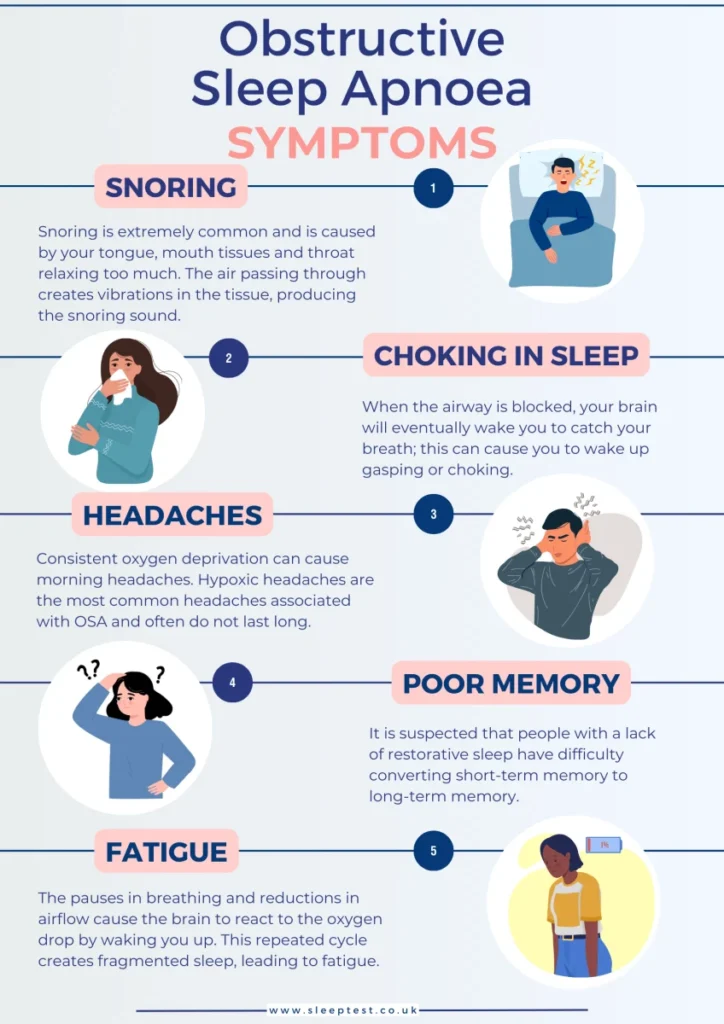
- Pauses in breathing, choking, or gasping during sleep (often reported by a partner)
- Strong daytime sleepiness, morning headaches, or brain fog that doesn’t match your schedule
- High blood pressure, or you wake up with a racing heart
Some recent health coverage also highlights that nighttime habits can affect cardiovascular risk over time. The specifics vary by person, so don’t self-diagnose. Use snoring as a cue to take sleep seriously, not as a reason to panic.
What actually causes snoring (the simple version)?
Snoring is vibration. Airflow gets restricted and soft tissue in the throat or mouth area vibrates as you breathe.
Common contributors include:
- Jaw and tongue position (especially when sleeping on your back)
- Nasal congestion or narrow nasal airflow
- Alcohol close to bedtime (more throat relaxation)
- Sleep deprivation (deeper, less stable sleep can worsen snoring)
- Weight changes (can affect airway space)
This is why the “best fix” differs. One person needs a positional change. Another needs to address congestion. A third might do best with a mouthpiece.
Where does an anti snoring mouthpiece fit in?
An anti snoring mouthpiece is a mechanical solution to a mechanical problem: it helps keep the airway more open by changing how your jaw and/or tongue sits during sleep.
This is also why mouthpieces keep showing up in device roundups and market reports. People want something they can try at home, without turning their bedroom into a science lab.
Who tends to benefit most?
- Back sleepers whose snoring improves when they turn to their side
- People whose partner reports “mouth-open” snoring
- Snorers without obvious apnea symptoms (still worth screening if unsure)
What to expect in the first 1–2 weeks
Night one is not the final verdict. Give yourself a short adjustment window.
- Some drooling or dry mouth can happen early.
- Mild tooth or jaw soreness may show up as you adapt.
- Comfort and consistency matter more than perfection.
If you get sharp pain, worsening headaches, or significant jaw symptoms, stop and ask a professional.
What should you look for when shopping for a mouthpiece?
Don’t buy based on hype alone. Buy based on fit, comfort, and the snoring pattern you’re trying to change.
- Adjustability: Small jaw-position changes can make a big difference.
- Material comfort: If it feels bulky, you won’t wear it.
- Breathing design: Helpful if you sometimes breathe through your mouth.
- Clear use-case: “For snoring” is not the same as “for sleep apnea.”
If you’re comparing options, start here: anti snoring mouthpiece.
What else can you do tonight to improve sleep health (without overcomplicating it)?
Think in terms of friction. Reduce the things that make your airway and sleep more fragile.
- Time your last drink: If you drink alcohol, keep it earlier in the evening.
- Decongest smartly: If your nose is blocked, address that before you blame your throat.
- Side-sleeping cue: A body pillow can be a simple “position trainer.”
- Cut the late scroll: Even 20 minutes less can help you fall asleep faster.
Travel week? Expect snoring to spike. Dry hotel air, odd pillows, and sleep debt can all make it louder.
Can vitamins like vitamin D fix snoring?
Some headlines have raised the idea that low vitamin D might be associated with snoring. That’s interesting, but it’s not a DIY diagnosis or a guaranteed fix.
If you suspect a deficiency, the safest path is to discuss testing and supplementation with a clinician. Meanwhile, address the obvious mechanics: airway position, congestion, alcohol timing, and sleep schedule.
Common questions: what couples and tired workers ask most
“Will a mouthpiece stop the jokes and save the relationship?”
It can reduce conflict because it can reduce wake-ups. Less fragmented sleep often means fewer short tempers and less “you kept me up” resentment.
“Is this just another sleep gadget I’ll abandon?”
Only if it’s uncomfortable. Comfort is the make-or-break factor, so choose a design you can realistically wear.
“I’m burned out. Is snoring making it worse?”
Broken sleep stacks on top of stress. If you’re already running on fumes, snoring-related wake-ups can push you into constant fatigue.
Medical disclaimer: This article is for general education and does not provide medical advice. Snoring can be a sign of sleep apnea or other health conditions. If you have choking/gasping, witnessed pauses in breathing, significant daytime sleepiness, chest pain, or concerns about heart health, seek evaluation from a qualified clinician.