
Myth: If you’re snoring, you just need the latest viral hack.
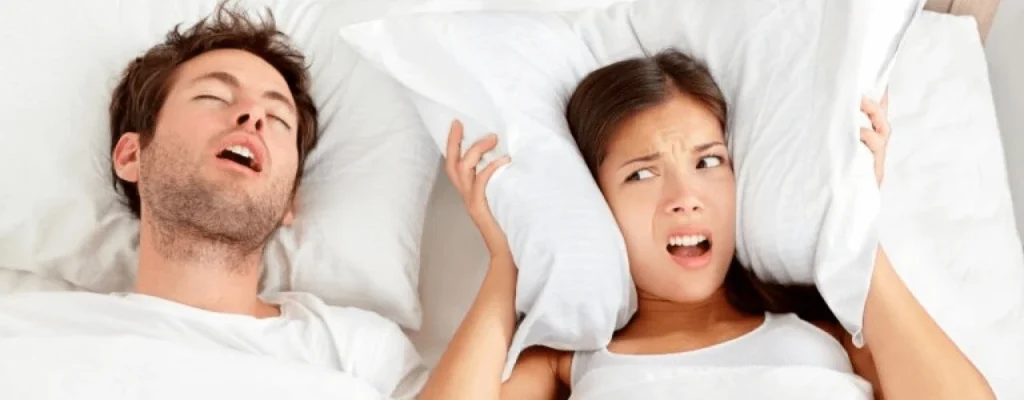
Reality: Most “quick fixes” don’t address why your airway gets noisy in the first place. If you want better sleep quality (and fewer side-eye jokes from your partner), you need a plan that’s boring, repeatable, and realistic.
Overview: why snoring is having a moment again
Snoring has always been common, but it’s getting louder in the culture. Sleep trackers, smart rings, and “sleep optimization” trends keep putting nightly data in your face. Add travel fatigue, late-night scrolling, and workplace burnout, and plenty of people are waking up feeling like they never slept.
Also, more outlets are reminding readers that snoring isn’t only a relationship punchline. In some cases, it can be linked with sleep-disordered breathing, including obstructive sleep apnea (OSA). If snoring comes with gasping, choking, morning headaches, or heavy daytime sleepiness, it’s worth a real medical conversation.
For a general read on what people are discussing lately, see Forget mouth taping — these 3 things will actually help you stop snoring in 2026.
Timing: when to test an anti snoring mouthpiece (and when not to)
If your snoring ramps up after a trip, a stressful work stretch, or a few nights of poor sleep hygiene, timing matters. Try to test changes on a “normal” week when you can keep bedtime and wake time steady for several nights.
An anti snoring mouthpiece is often considered when snoring seems tied to jaw position and relaxed throat tissues during sleep. Many people notice it’s worse on their back or after alcohol. That’s a hint that airway positioning may be part of the story.
Skip DIY experiments and talk to a clinician first if you have warning signs like witnessed pauses in breathing, frequent gasping, chest pain, uncontrolled high blood pressure, or severe daytime sleepiness. Those can point to sleep apnea, and you’ll want proper evaluation.
Supplies: what you actually need (no gadget pile)
Core items
- A well-made mouthpiece designed for snoring (not a random sports mouthguard)
- A simple case for storage and airflow
- A basic cleaning routine (gentle soap and cool water, unless the product says otherwise)
Optional add-ons (useful, not mandatory)
- Chin support if your mouth falls open at night
- Nasal support (like saline) if congestion is common
- A pillow setup that discourages back-sleeping
If you’re looking for a combined option, consider an anti snoring mouthpiece. It’s a practical pairing when jaw drop and open-mouth breathing seem to amplify snoring.
Step-by-step (ICI): introduce, confirm, iterate
This isn’t about perfection on night one. Think “small change, clear feedback.”
1) Introduce: make night one easy
Start on a low-stakes night (not before a big meeting or a flight). Wear the mouthpiece for a short period before sleep so your jaw and teeth can acclimate.
Keep your bedtime routine calm. A hot debate, a late workout, or doomscrolling can raise arousal and make it harder to judge what’s working.
2) Confirm: track outcomes that matter
Don’t obsess over a single snore score. Instead, watch for:
- Fewer wake-ups
- Less dry mouth in the morning
- Better daytime energy
- Partner reports that snoring is quieter or less frequent
If you use a sleep gadget, treat it like a compass, not a verdict. Consumer trackers can be helpful for trends, but they don’t diagnose sleep apnea.
3) Iterate: adjust the whole sleep setup
A mouthpiece works best when you also reduce common snoring triggers. That can mean side-sleeping support, managing nighttime congestion, and limiting alcohol close to bedtime.
If burnout has shifted your schedule, focus on consistency first. A stable sleep window often improves sleep quality even before you change gear.
Mistakes that make snoring solutions fail
Chasing trends instead of patterns
It’s tempting to jump from mouth taping to a new wearable to a new pillow in the same week. That makes it hard to tell what helped. Change one variable, then reassess.
Ignoring possible sleep apnea flags
Snoring can be harmless, but it can also be a clue. If you’re hearing about OSA more often lately, that’s because clinicians want people to recognize symptoms and ask better questions. If you suspect apnea, get evaluated rather than self-treating indefinitely.
Expecting zero discomfort immediately
Some adjustment is common with oral devices. Sharp pain, worsening jaw issues, or bite changes are not “power through” moments. Stop and get guidance.
Letting travel fatigue set the rules
Hotel beds, alcohol at dinners, and irregular sleep times can spike snoring. Test your baseline at home first. Then you’ll know what’s the device and what’s the trip.
FAQ: quick answers people keep asking
Can an anti snoring mouthpiece improve sleep quality?
It can, if it reduces snoring-related arousals and helps you stay asleep. Your best indicators are fewer awakenings and better daytime alertness.
What questions should I ask a doctor if I suspect OSA?
Ask about symptoms that warrant a sleep study, treatment options, and how to judge whether a device is appropriate for your situation. Bring notes on snoring, sleepiness, and witnessed breathing pauses.
Does snoring affect heart health?
Snoring alone isn’t a diagnosis. But sleep apnea is often discussed in connection with cardiovascular risk, which is why persistent symptoms should be taken seriously.
CTA: pick a simpler next step tonight
If your goal is quieter nights and better mornings, choose one path and run it for a week. For many people, that means pairing a mouthpiece approach with consistent sleep timing and fewer late-night triggers.
How do anti-snoring mouthpieces work?
Medical disclaimer: This article is for general information and does not provide medical advice or a diagnosis. If you suspect sleep apnea or have severe symptoms (gasping, choking, chest pain, significant daytime sleepiness), seek evaluation from a qualified clinician.