
- Snoring is trending again because sleep gadgets are everywhere—and people are tired of being tired.
- Not all snoring is equal; some patterns hint at something that deserves medical attention.
- An anti snoring mouthpiece can help when jaw position and airway space are part of the problem.
- Comfort beats hype; the “best” device is the one you can wear all night.
- Small changes stack: timing, alcohol, nasal breathing, and cleaning habits matter.
Big picture: why everyone’s talking about snoring right now
Sleep has become a lifestyle category. You see it in the gadget wave, the “sleep optimization” chatter, and the steady stream of advice that pops up around time changes and travel fatigue. The result is predictable: more people notice snoring, and more partners complain about it.
Workplace burnout adds another layer. When your baseline is exhausted, a noisy night feels like a personal attack. That’s why anti-snore devices keep showing up in roundups and conversations—people want a fix that doesn’t require turning their bedroom into a lab.
The human side: snoring isn’t just noise
Snoring gets played for laughs in relationship humor, but it can cause real friction. One person lies awake. The other feels blamed for something they can’t hear. Then the guest room becomes a “solution,” and suddenly sleep is a logistics problem.
It also hits confidence. Many people avoid trips, sharing rooms, or even falling asleep first because they’re worried about the soundtrack. If that sounds familiar, you’re not overreacting—sleep disruption affects mood, focus, and patience.
Practical steps: a no-drama way to test what helps
Start with a quick reset. You’re not trying to fix everything at once. You’re trying to identify the biggest lever.
Step 1: spot your snore pattern
Use a simple note on your phone for 7 nights: bedtime, alcohol, congestion, sleep position, and how you felt in the morning. If a partner can share what they notice (volume, pauses, gasps), even better.
Position matters more than most people expect. Back-sleeping often makes snoring louder because gravity pulls soft tissue backward. Side-sleeping can reduce it for some people.
Step 2: decide if a mouthpiece fits your situation
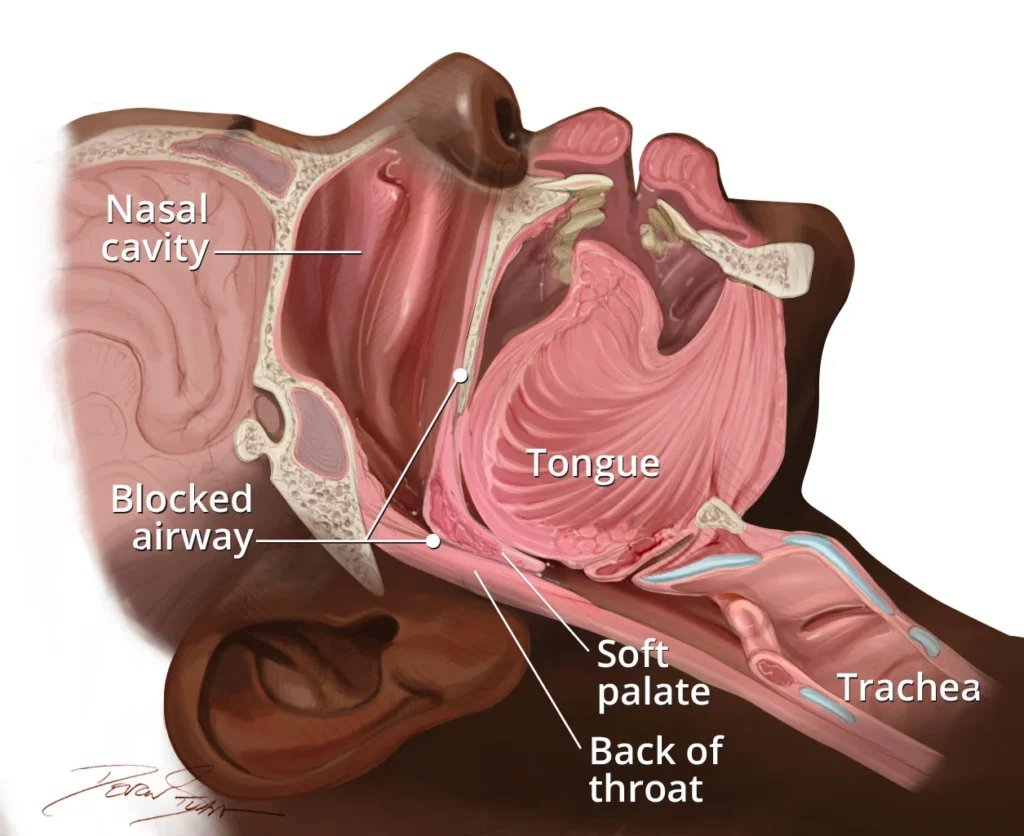
An anti snoring mouthpiece is typically designed to support better airflow by adjusting jaw position or stabilizing the mouth. It’s a tool for mechanics—how your airway behaves when your muscles relax.
If your snoring ramps up when you’re on your back, after a drink, or when you’re extra fatigued, a mouthpiece may be worth a trial. If you snore regardless of position and wake up unrefreshed, you’ll want to think bigger than gadgets alone.
Step 3: keep the “sleep trends” in perspective
New ideas cycle fast—mouth taping, dual-therapy shields, wearables that score your sleep, and more. Some approaches may help certain people, but the safest move is to match the tool to the problem.
If you’re curious about the broader conversation on safety signals, skim How to beat the clock: Daylight savings advice from a sleep expert and use it as a prompt for what to ask your clinician if symptoms line up.
Tools and technique: making a mouthpiece actually wearable
Most “this didn’t work” stories come down to comfort, fit, or expectations. Give yourself a fair test, and make it easy to stick with.
ICI basics: fit, comfort, and jaw positioning
Initial fit should feel secure, not aggressive. If you’re clenching or waking with jaw soreness, the setup may be too forward or simply not right for your mouth.
Comfort is a performance feature. A device that helps snoring but wakes you up is not helping your sleep quality.
Incremental changes beat big jumps. Small adjustments over several nights often work better than trying to force a “perfect” setting on night one.
Pair it with position and breathing
Try a simple side-sleep strategy while you test the mouthpiece. Also consider nasal support if congestion is common, because mouth breathing can amplify snoring for some people.
If you’re tempted by mouth tape because it’s trending, pause and think about your nose first. If you can’t breathe clearly through your nose, forcing your mouth shut can be uncomfortable and may be risky.
Cleanup and longevity (the unsexy part that matters)
Rinse after each use, brush gently, and let it fully dry. A consistent routine reduces odor and buildup and makes it easier to keep using the device nightly.
Looking for a place to compare styles? Browse anti snoring mouthpiece and focus on comfort features, adjustability, and ease of cleaning.
Safety and testing: when to stop experimenting and get checked
Snoring can be benign, but it can also show up alongside sleep-disordered breathing. Don’t try to out-gadget a medical issue.
Red flags that deserve a clinician conversation
- Witnessed breathing pauses, choking, or gasping
- Excessive daytime sleepiness that affects driving or work
- Morning headaches, dry mouth plus unrefreshing sleep
- High blood pressure or new/worsening cardiometabolic concerns
- Snoring that’s getting louder or more frequent over time
Women can present differently than the “classic” stereotype, and symptoms may be dismissed as stress or insomnia. If you’re over 50 and something feels off, treat that as useful information, not an inconvenience.
How to run a simple 14-night trial
- Wear the mouthpiece for short periods before sleep for the first 2–3 nights to adapt.
- Track: snoring reports, awakenings, jaw comfort, and morning energy.
- Keep other variables steady (alcohol, late meals, screen time) so results mean something.
- If pain, tooth shifting concerns, or persistent discomfort show up, stop and get guidance.
FAQ
Can an anti snoring mouthpiece replace CPAP?
For diagnosed obstructive sleep apnea, CPAP is a common first-line therapy. Some oral appliances may be appropriate for certain cases, but that decision should be made with a clinician.
What if my partner says I still snore sometimes?
Occasional snoring can still happen with fatigue, alcohol, or congestion. Focus on trends: fewer loud episodes, fewer awakenings, and better next-day function.
Is it normal to drool at first?
Yes, increased salivation is common early on. It often improves as you adapt and as fit gets more comfortable.
CTA: get a clearer answer fast
If you want a practical starting point, choose one device approach and test it consistently. Comfort, positioning, and routine are the difference-makers.
How do anti-snoring mouthpieces work?
Medical disclaimer: This article is for general education only and isn’t medical advice. It does not diagnose or treat any condition. If you suspect sleep apnea or have concerning symptoms (gasping, breathing pauses, severe sleepiness), consult a qualified healthcare professional.