
Q: Why is everyone suddenly talking about snoring again?
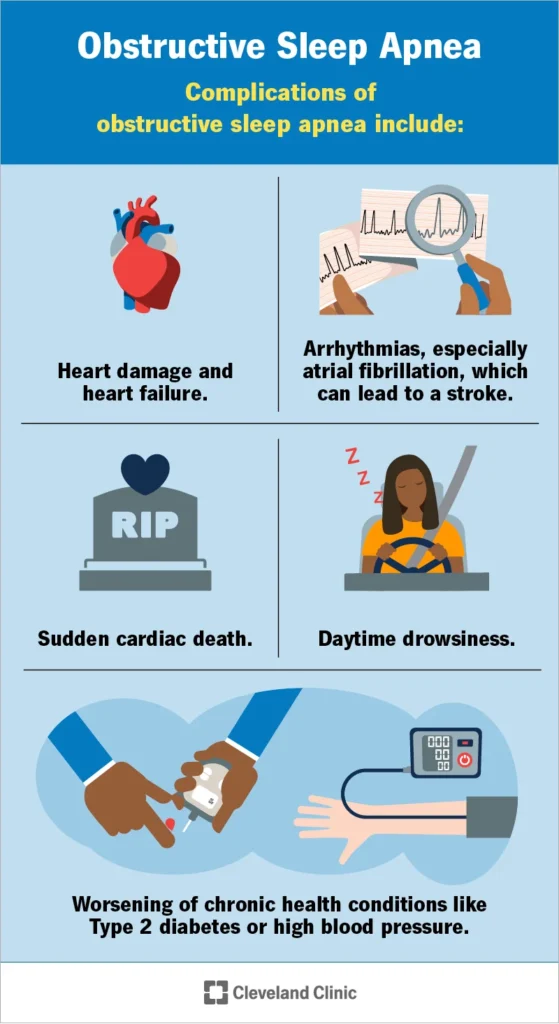
Q: Is snoring just annoying, or is it wrecking sleep quality?
Q: Can an anti snoring mouthpiece actually help without turning bedtime into a science project?
Yes—snoring is having a moment because sleep health is having a moment. People are juggling travel fatigue, workplace burnout, and the latest sleep gadgets. And when your partner is filming your “chainsaw soundtrack,” the motivation gets real fast.
What people are talking about right now (and why)
Recent coverage around sleep apnea and snoring events, airway-focused dentistry, and new device research has pushed snoring back into everyday conversation. At the same time, “sleep optimization” trends keep growing, so more people are comparing wearables, mouthpieces, nasal strips, and room setups.
There’s also a relationship angle. Snoring is one of those topics that starts as a joke and ends with separate pillows, separate rooms, or a very tense 2 a.m. nudge. The cultural vibe right now is: fix the noise, protect the sleep, keep the peace.
If you want a general snapshot of what’s being discussed in the sleep world, see 31st Annual Advances in Diagnosis and Treatment of Sleep Apnea and Snoring.
What matters medically (without the hype)
Snoring usually happens when airflow becomes turbulent and soft tissues vibrate. That can be triggered by sleep position, alcohol, nasal congestion, weight changes, or natural anatomy. Sometimes it’s “just” snoring. Sometimes it’s a clue that breathing is repeatedly impaired during sleep.
Sleep quality is the real scoreboard. Even if the snorer feels fine, the bed partner may be losing deep sleep, waking repeatedly, and building a sleep debt that shows up as irritability, headaches, and poor focus.
Snoring vs. sleep apnea: the quick distinction
Snoring alone doesn’t confirm sleep apnea. But loud snoring paired with choking/gasping, witnessed breathing pauses, morning headaches, or strong daytime sleepiness should raise the bar for getting checked.
Medical disclaimer: This article is for general education and is not medical advice. It can’t diagnose sleep apnea or other conditions. If you have concerning symptoms, talk with a qualified clinician or a sleep specialist.
How to try at home: mouthpiece basics + technique
Home trials work best when you treat them like a short experiment. One change at a time. Track what happens for a week. Then adjust.
Step 1: Pick the right style (and don’t overcomplicate it)
Most anti-snoring mouthpieces fall into two buckets:
- Mandibular advancement (jaw-forward) designs: These aim to hold the lower jaw slightly forward to reduce airway collapse.
- Tongue-retaining designs: These aim to keep the tongue from falling back.
If you breathe through your mouth at night, some people also look for add-ons that support mouth closure. For example, an anti snoring mouthpiece may appeal to shoppers who want a two-part approach.
Step 2: ICI basics (Insert, Comfort, Increment)
Insert: Follow the product’s fitting instructions exactly. A poor fit is the fastest route to quitting.
Comfort: Aim for “noticeable but tolerable.” Sharp pressure is a red flag. So is numbness.
Increment: Increase wear time gradually. Start with short periods, then build to full nights. Small steps beat one miserable night that ends in the trash.
Step 3: Positioning matters more than people admit
Even a good mouthpiece can struggle if your setup fights it. Try these simple position tweaks:
- Side-sleeping: Many people snore more on their back. A body pillow can make side-sleeping easier.
- Head/neck alignment: Too many pillows can flex the neck forward. A supportive, not-stacked, pillow setup often helps.
- Nasal support: If congestion drives mouth breathing, address the stuffiness (within safe, label-directed use for any products).
Step 4: Cleanup and care (the unglamorous part that affects results)
A dirty device feels worse and can smell worse. Rinse after use, clean as directed, and let it fully dry. Also check for rough edges or warping, since comfort changes can sneak up over time.
When to stop experimenting and seek help
Snoring is common. Still, some patterns shouldn’t be handled with DIY alone.
Get evaluated sooner if you notice:
- Gasping, choking, or witnessed pauses in breathing
- High blood pressure, significant daytime sleepiness, or drowsy driving
- New, intense snoring after a health change
- Jaw pain, tooth pain, bite changes, or persistent morning headaches after using a mouthpiece
Sleep medicine and dental sleep professionals can help sort out whether a mouthpiece is appropriate, whether fit is the issue, or whether another treatment path fits better.
FAQ: fast answers people want before buying
Do anti-snoring mouthpieces work for everyone?
No. They can be helpful for many cases of simple snoring, but they’re not universal. Your anatomy, sleep position, and nasal airflow all matter.
What’s the difference between a mouthguard and an anti-snoring mouthpiece?
A sports mouthguard mainly protects teeth. An anti-snoring mouthpiece aims to change jaw or tongue position to support airflow.
How long does it take to get used to a mouthpiece?
Expect an adjustment period. Some people adapt in a few nights, while others need a couple of weeks with gradual wear time.
Can I use an anti-snoring mouthpiece if I have TMJ?
Be careful. If you have jaw clicking, locking, or chronic jaw pain, talk with a clinician before using a jaw-advancing device regularly.
When is snoring a sign of sleep apnea?
When it comes with breathing pauses, choking/gasping, heavy daytime sleepiness, or other red flags, it’s worth a professional evaluation.
CTA: make the next step simple
If you’re trying to protect sleep quality without overthinking it, start with a comfort-first plan: fit, positioning, and consistent cleanup. Then reassess after a week.