
Snoring is having a moment. Not the cute kind.
Between sleep trackers, “smart” pillows, and travel fatigue, people are realizing how much one noisy night can wreck the next day.
Here’s the bottom line: an anti snoring mouthpiece can be a practical, low-tech tool for better sleep—if you match it to the right kind of snoring and use it safely.
The big picture: why snoring feels louder lately
Sleep has turned into a full-on consumer category. Wearables score you. Apps coach you. Social feeds sell you gadgets that promise “deep sleep” in a week.
At the same time, real life is rough on rest. Late-night screens, workplace burnout, and frequent travel can push sleep quality down fast. When you’re already depleted, snoring becomes less of an annoyance and more of a nightly fight.
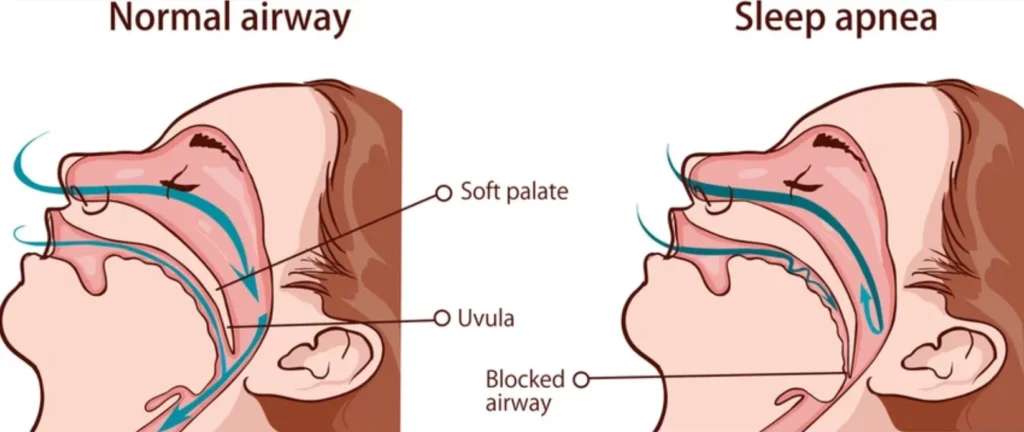
Also, there’s growing public attention on obstructive sleep apnea and stories of people finally getting answers after years of poor sleep. If snoring comes with breathing pauses or gasping, it’s not just “noise.” It can be a signal to take seriously.
The human side: partners, embarrassment, and the “spare room” joke
Snoring is one of those relationship stressors people laugh about—until they’re exhausted. The non-snoring partner gets resentful. The snorer feels blamed for something they can’t control.
Add a busy job or a new baby, and patience gets thin. Sleep becomes a shared resource, not a personal preference.
A mouthpiece isn’t romantic. But it can be a peace treaty: a simple tool that reduces nightly friction without turning bedtime into a tech project.
Practical steps: what to try before (and with) a mouthpiece
Snoring can have multiple triggers. Quick wins often come from stacking a few changes, not hunting for one perfect hack.
1) Identify your snoring pattern
- Mostly on your back: airway position can worsen; positional changes may help.
- Mostly after alcohol or heavy late meals: snoring may spike on those nights.
- Mostly with congestion: nasal blockage can be the driver.
- With choking, gasping, or pauses: consider sleep apnea screening.
2) Clean up the “sleep pressure” basics
- Keep a consistent sleep window most days.
- Limit alcohol close to bedtime if it worsens snoring.
- Address nasal stuffiness with clinician-approved options if it’s frequent.
- Try side-sleeping supports if back-sleeping is your trigger.
3) Where an anti snoring mouthpiece fits
Most anti-snoring mouthpieces aim to keep the airway more open by changing jaw or tongue position during sleep. The common style is a mandibular advancement device (MAD), which gently brings the lower jaw forward.
This approach can be appealing right now because it’s simple. No charging cables. No subscription. No “sleep score” anxiety.
If you’re comparing products, start here: anti snoring mouthpiece. Focus on fit, comfort, adjustability, and clear usage instructions.
Safety and reality-checks: snoring vs. sleep apnea
Snoring is common. Sleep apnea is also common, and it often goes undiagnosed. That’s why recent health coverage keeps circling back to education and inspiring patient journeys—people feel better when they finally address the root issue.
If you want a cultural snapshot of that conversation, see this related coverage: An inspirational solution to obstructive sleep apnea from CommonSpirit Health.
When a mouthpiece is a reasonable self-try
- Your snoring is frequent but you don’t have red-flag symptoms.
- You notice snoring is worse on your back.
- You want a non-electronic option to test for a few weeks.
When to pause and get evaluated
- Breathing pauses, gasping, or choking during sleep (reported by a partner).
- Severe daytime sleepiness, morning headaches, or concentration issues.
- High blood pressure concerns or other cardiometabolic risks.
- Persistent jaw pain, tooth pain, or bite changes with a mouthpiece.
How to “test” results without overthinking it
Don’t rely on one night. Give it a fair trial, then look for simple signals:
- Fewer partner complaints (the most honest metric).
- Less waking up at night.
- Better morning energy and fewer midday crashes.
If you use a sleep tracker, treat it as a trend tool, not a verdict. Your body gets the final vote.
FAQ: quick answers on mouthpieces and sleep quality
Do anti-snoring mouthpieces work for everyone?
No. They tend to help when jaw/tongue position contributes to snoring, but they may not help if congestion, alcohol, or untreated sleep apnea is the main driver.
What’s the difference between a mouthguard and an anti-snoring mouthpiece?
A sports mouthguard is for impact protection. An anti-snoring mouthpiece is shaped to change airway mechanics by repositioning the jaw or tongue.
How long does it take to get used to a mouthpiece?
Often a few nights to a couple of weeks. Comfort usually improves as you dial in fit and wear time.
Can a mouthpiece treat sleep apnea?
Some oral appliances may help some people, but sleep apnea needs proper evaluation. Don’t self-diagnose based on snoring alone.
What are common side effects?
Jaw soreness, tooth discomfort, dry mouth, extra saliva, or bite changes. Stop if symptoms persist and get dental/medical guidance.
When should I get checked?
If you have gasping, pauses, heavy daytime sleepiness, or other red flags, prioritize medical evaluation.
Next step: make the decision in 10 minutes
If your snoring is disrupting sleep and you want a straightforward tool to try, start with a mouthpiece that’s designed for snoring—not a generic guard. Keep the goal simple: quieter nights and more consistent rest.
How do anti-snoring mouthpieces work?
Medical disclaimer: This article is for general education and is not medical advice. Snoring can be a symptom of obstructive sleep apnea or other conditions. If you have breathing pauses, choking/gasping, severe daytime sleepiness, chest pain, or persistent symptoms, seek evaluation from a qualified clinician.