
Five quick takeaways before you buy anything:
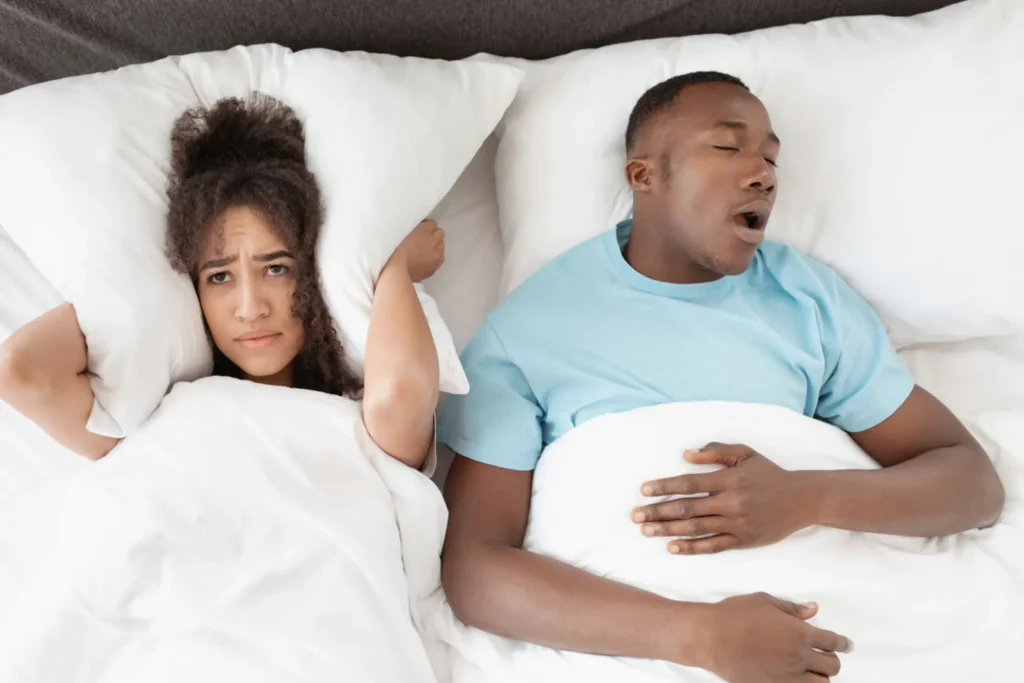
- Snoring isn’t just noise. It can wreck sleep quality for two people and turn bedtime into a stress event.
- Sleep gadgets are everywhere right now. That doesn’t mean every device fits your anatomy or your problem.
- An anti snoring mouthpiece can be a practical middle step. It’s often simpler than a full clinical setup, but it still needs smart testing.
- Travel, burnout, and late-night habits can amplify snoring. Small changes sometimes create big wins.
- Red flags matter. If you suspect sleep apnea or feel unwell, don’t “DIY” your way past it.
The big picture: why snoring is having a moment
Snoring has moved from “dad joke” territory into the mainstream health conversation. You can see it in the surge of sleep trackers, nasal gadgets, mouthpieces, and “biohacking” routines that promise better rest. Market forecasts and product roundups keep popping up, which tells you one thing: a lot of people are looking for something that actually works.
It also makes sense culturally. Many of us are dealing with workplace burnout, packed calendars, and doomscrolling that pushes bedtime later. Add travel fatigue—hotel pillows, red-eye flights, and time-zone whiplash—and suddenly your sleep quality becomes a daily performance issue, not a luxury.
The emotional side: when snoring becomes relationship static
Snoring is funny until it isn’t. The humor turns into side-eye when one person is wide awake at 2:00 a.m. and the other is peacefully sawing logs. Resentment can build fast, especially when both people are tired and short-tempered.
Try naming the real problem out loud: “I miss feeling rested,” not “You’re ruining my sleep.” That shift keeps it from becoming a character critique. It also makes it easier to try solutions together, instead of turning bedtime into a nightly debate.
If you’re the one who snores, you might feel embarrassed or defensive. That’s normal. Still, you deserve a plan that’s about health and comfort, not shame.
Practical steps: what to try before (and alongside) a mouthpiece
Step 1: spot your snoring pattern
Most people don’t know when they snore, how loud it is, or what triggers it. A simple phone recording or a partner’s notes can help you connect dots. Pay attention to alcohol, late meals, allergies, and back-sleeping.
Step 2: protect sleep quality while you experiment
When sleep is already fragile, testing fixes can feel risky. Consider short-term supports like earplugs, white noise, or a different pillow setup so both people can function while you troubleshoot.
Step 3: where an anti snoring mouthpiece fits
An anti snoring mouthpiece is typically designed to reduce snoring by changing what your jaw, tongue, and soft tissues do during sleep. In plain language: it aims to keep the airway more open so airflow is less turbulent and noisy.
These devices often get attention in “best-of” lists because they’re accessible and non-surgical. They can be especially appealing if you’re tired of trying random sprays, strips, and viral hacks.
If you want a combined approach, a product like an anti snoring mouthpiece is sometimes considered by people who suspect mouth-breathing is part of the issue. The goal is comfort plus consistency, not forcing your body into an unnatural position.
Safety and testing: how to try a mouthpiece without making things worse
Start with comfort rules, not willpower
Jaw devices should not feel like a dare. If you feel sharp pain, tooth pain, or worsening headaches, stop. Mild soreness can happen early on, but it should improve, not escalate.
Watch for bite changes
Some people notice their bite feels “off” in the morning. That’s a sign to slow down and reassess fit and use. Persistent bite changes are a reason to get professional input.
Know the red flags that are bigger than snoring
Snoring can overlap with sleep apnea, which is not something to guess your way through. If you see breathing pauses, choking/gasping, heavy daytime sleepiness, or morning headaches, consider a clinical evaluation.
Also, be cautious with late-night behaviors that degrade sleep and recovery. If you want a general health-oriented read on this topic, see this related coverage: Europe Anti-snoring Device Market Size and Forecast 2025–2033.
Medical disclaimer (quick but important)
This article is for general education only and isn’t medical advice. It doesn’t diagnose, treat, or replace care from a licensed clinician. If you suspect sleep apnea or have concerning symptoms, seek professional evaluation.
FAQ: fast answers people want right now
Is it normal for snoring to get worse during stressful weeks?
Yes. Stress can disrupt sleep depth, increase tension, and push habits that make snoring more likely (late meals, alcohol, irregular sleep times).
Can a mouthpiece help if I only snore on my back?
It might, but you may also benefit from side-sleep strategies. Many people use a “stacked” approach: position changes plus a device.
What if my partner says the snoring is gone, but I still feel tired?
That’s a reason to look beyond sound. Sleep quality can be reduced by many factors, including breathing issues that aren’t always obvious without testing.
CTA: make the next step simple
If snoring is affecting your relationship, your energy, or your workday focus, don’t wait for a “perfect” moment to address it. Start with one measurable experiment this week, then adjust.