
On a red-eye flight home, “Sam” promised themself they’d finally fix their sleep. They’d tried a white-noise app, a wearable sleep score, and a sunrise lamp that looked great on the nightstand. Then the hotel roommate texted the next morning: “You snored like a leaf blower. Respectfully.”
That mix of humor and dread is everywhere right now. Sleep gadgets are trending, burnout is real, and travel fatigue turns small issues into big ones. Snoring sits right in the middle—annoying, sometimes serious, and often fixable with the right next step.
The big picture: why snoring is suddenly everyone’s topic
Snoring isn’t just “noise.” It’s airflow meeting resistance—often at the soft palate, tongue, or throat. When your sleep is already fragile (stress, late screens, irregular schedules), snoring can feel louder and more disruptive.
Recent coverage has also put a spotlight on the more serious angle: snoring can overlap with sleep apnea for some people. And sleep apnea doesn’t always look the same across everyone, which is why more conversations are happening about under-recognition in women and people whose symptoms don’t fit the stereotype.
If you want a general, news-style overview of red flags and why snoring sometimes needs medical attention, see this related read: Snoring could be a sign of sleep apnea—see if this device can help.
The emotional layer: sleep is health, but it’s also social
Snoring doesn’t just impact the person doing it. It affects partners, roommates, and even coworkers when your next day turns into a foggy, short-tempered grind. That’s why snoring shows up as relationship humor online—because it’s awkward to talk about, but hard to ignore.
It can also trigger a quiet spiral: you start dreading bedtime, you chase quick fixes, and you wake up feeling like you “failed” sleep again. A better approach is calmer and more practical: reduce the friction, test one change at a time, and watch for signs that you need a medical check-in.
Practical steps: a simple, testable plan for better nights
1) Tighten the basics (the “campus health” style checklist)
Sleep hygiene isn’t glamorous, but it works because it removes common disruptors. Keep the room cool and dark. Cut caffeine earlier than you think you need to. Protect a wind-down window that doesn’t involve doomscrolling.
If daylight saving time or a work schedule shift just hit, treat it like jet lag. Move bedtime and wake time gradually when you can. Get bright light in the morning and dim light at night.
2) Reduce snoring triggers you can actually control
Many people snore more with alcohol close to bedtime, nasal congestion, or back-sleeping. You don’t need perfection here. You need a pattern you can repeat for two weeks and evaluate.
- Try a side-sleep setup (pillow positioning or a body pillow).
- Address nasal stuffiness with simple, non-medicated options (like saline) if appropriate for you.
- Watch timing for heavy meals and alcohol so your airway and sleep architecture aren’t working uphill.
3) Where an anti snoring mouthpiece can fit
An anti snoring mouthpiece is often designed to hold the lower jaw slightly forward (a mandibular advancement style) or stabilize the tongue position. The goal is simple: keep the airway more open so airflow is smoother and vibration decreases.
This can be especially appealing if you’re in the “I tried the apps and tapes and sprays” phase, or if travel is making your sleep inconsistent. Mouthpieces are portable and don’t require batteries, which is a nice break from the gadget pile.
If you’re comparing options, start here: anti snoring mouthpiece.
Safety and testing: what buyers should verify (and when to stop)
Check fit, materials, and return policy
Comfort and fit are everything. Look for clear instructions on sizing/adjustment, what the device is made of, and how cleaning is handled. A real return policy matters because you may need a few nights to know if it’s tolerable.
Know who should be cautious
Skip “powering through” jaw pain. If you have TMJ issues, loose teeth, significant dental work, gum disease, or frequent jaw clicking, it’s smart to talk with a dental professional before using an oral appliance. Mouthpieces can stress the jaw or teeth when the fit isn’t right.
Don’t ignore apnea red flags
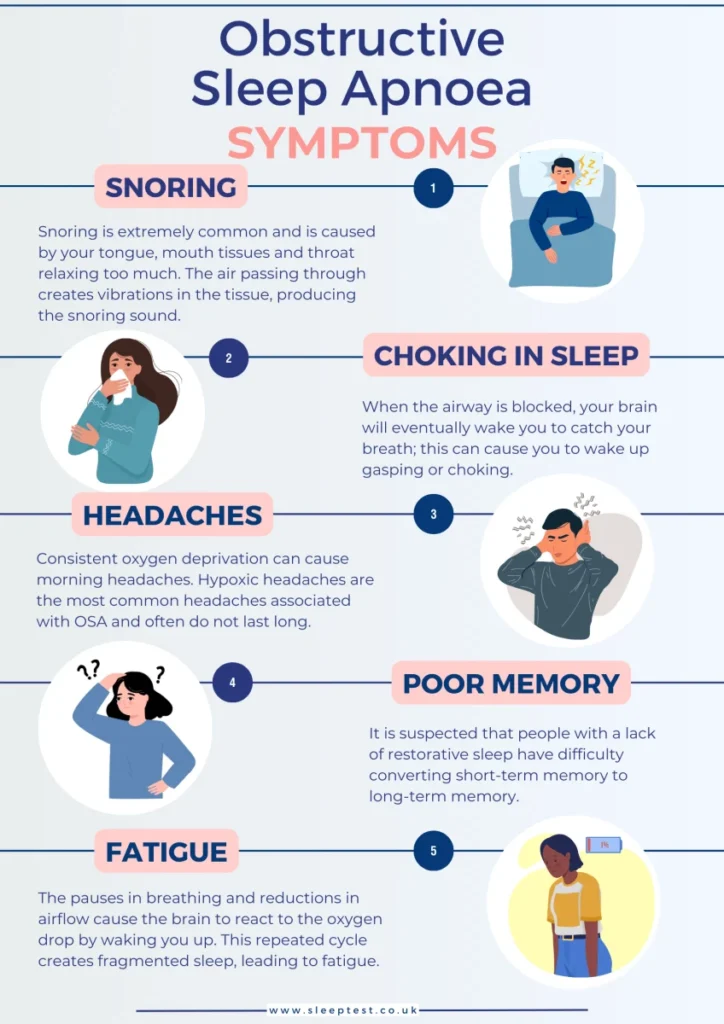
Get evaluated if you have loud snoring plus choking/gasping, witnessed breathing pauses, morning headaches, high daytime sleepiness, or high blood pressure concerns. Sleep apnea can go undetected, and symptoms may be mislabeled as stress—especially when fatigue shows up without the “classic” presentation.
FAQ: quick answers people ask at 2 a.m.
Is snoring just a nuisance?
Sometimes it’s mainly a quality-of-life issue. Other times it’s a clue that breathing is being disrupted. The pattern and symptoms matter.
What’s the easiest way to tell if a mouthpiece is helping?
Use a simple scorecard for 10–14 nights: partner feedback (or a snore recording), how refreshed you feel, and whether you wake up less. Change one variable at a time.
Can I use a mouthpiece every night?
Some people do, but nightly use should still feel safe and comfortable. Persistent soreness, tooth pain, or bite changes are reasons to stop and get guidance.
Next step: keep it simple, then get more specific
If snoring is straining your sleep (or your relationship), start with basics you can repeat. Then test a well-designed mouthpiece if you’re a good candidate. If red flags show up, prioritize a medical evaluation over more gadgets.
How do anti-snoring mouthpieces work?
Medical disclaimer: This article is for general education and does not provide medical advice, diagnosis, or treatment. If you suspect sleep apnea or have persistent symptoms, consult a qualified clinician or sleep specialist.