
Is your snoring “just annoying,” or is it hurting your sleep quality?
Are sleep gadgets and viral tips actually helping, or just adding noise?
Could an anti snoring mouthpiece be a reasonable next step?
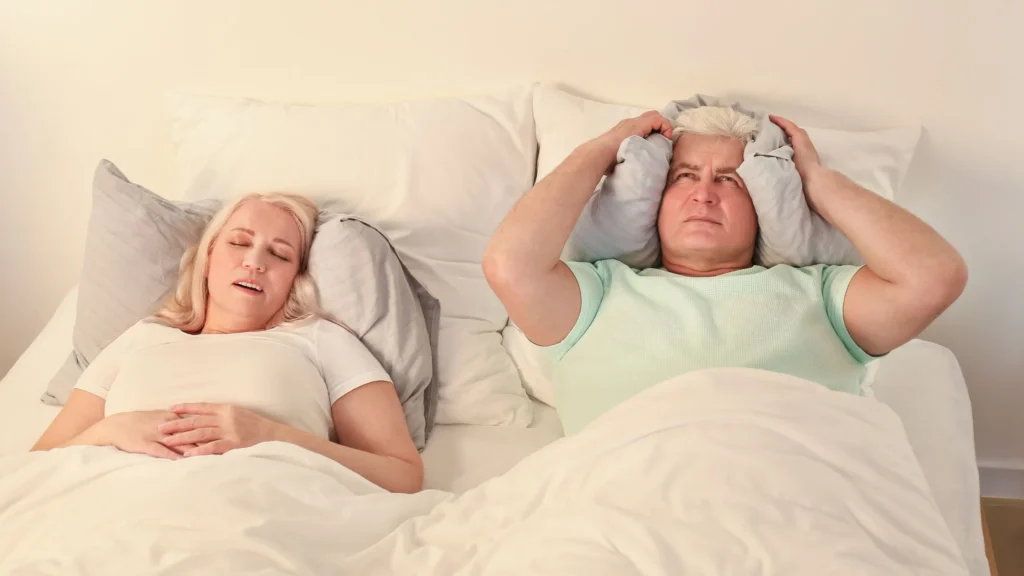
Those three questions are all over group chats right now. People are swapping wearable scores, testing new pillows, and joking about “relationship-safe” sleep setups. Under the humor, there’s a serious theme: snoring can be a sleep-quality problem for two people, not one.
This guide breaks down what’s trending, what matters medically, and how to try a mouthpiece approach at home without overcomplicating it.
What people are talking about lately (and why)
Sleep coaching, sleep tracking, and the “online ocean”
Sleep advice is everywhere. That’s why adult sleep coaching has been getting attention: people want a filter for the endless tips. You may also notice more “sleep score” talk at work, especially in burnout-heavy seasons when everyone feels tired but can’t pinpoint why.
Travel fatigue meets snoring reality
After a red-eye or a long drive, snoring often ramps up. Dry air, alcohol at dinner, and sleeping flat in a new bed can all make the night louder. It’s also when partners become very motivated to find solutions.
Nutrition chatter (including vitamin D) and snoring
Some headlines have linked snoring conversations with broader health topics like vitamin D. It’s a reminder, not a shortcut: overall health habits can influence sleep, but snoring usually has a mechanical component too—airway size, tissue relaxation, and sleep position.
The medical basics that actually matter
Snoring vs. sleep apnea: not the same, but related
Snoring happens when airflow makes relaxed tissues vibrate. Obstructive sleep apnea is different: the airway repeatedly narrows or closes during sleep, which can reduce oxygen and fragment rest. Both can wreck sleep quality, but sleep apnea carries bigger health risks.
If you want a credible overview of warning signs and causes, see Silent Deficiency: Why your bedtime snore might be a cry for Vitamin D.
Why sleep quality suffers even if you “sleep all night”
Snoring can mean micro-arousals—tiny wake-ups you don’t remember. Your body may spend less time in deeper stages of sleep. Your partner may get the worst of it, which is where the relationship jokes come from. Still, resentment isn’t the real issue. Fragmented sleep is.
A practical at-home plan: tools + technique (no hype)
Step 1: Do a quick self-check before you buy anything
Write down what’s true on most nights:
- Back sleeping makes it worse vs. side sleeping helps.
- Nasal congestion is common (allergies, dryness, colds).
- Alcohol late in the evening increases snoring.
- Morning headaches, dry mouth, or daytime sleepiness show up.
This isn’t a diagnosis. It’s a way to choose a first experiment that matches your pattern.
Step 2: Try “ICI” basics for mouthpiece success
Most mouthpiece frustration comes down to three things: how it sits, how it feels, and how clean it stays. Use this simple framework:
- I = Insert/fit: A stable, snug fit matters more than brute force. If it feels loose, it won’t position well. If it feels jammed, you won’t wear it.
- C = Comfort/position: The goal is a gentle change that keeps the airway more open. Comfort drives consistency, and consistency drives results.
- I = Improve hygiene: Clean gear is easier to keep using. It also helps avoid odors and irritation.
Step 3: Consider a mouthpiece approach (and what it’s for)
An anti snoring mouthpiece is typically designed to support better airflow by adjusting jaw or tongue position during sleep. It’s often discussed as a tool for primary snoring and may also be used under guidance in some sleep-apnea contexts.
If you want a product option that pairs jaw support with added stability, you can look at this anti snoring mouthpiece.
Step 4: Positioning tweaks that pair well with mouthpieces
Mouthpieces tend to work best when you don’t fight them with bad sleep posture. A few low-effort adjustments:
- Side-sleep bias: If you always end up on your back, try a body pillow or a simple positioning cue.
- Head/neck alignment: Too many pillows can kink the neck. Too few can drop the jaw back. Aim for neutral.
- Nasal support: If you’re always blocked, address that piece too (humidity, allergy management, saline rinse as tolerated).
Step 5: Cleanup routine (fast, so you’ll do it)
Keep it boring and consistent:
- Rinse in the morning.
- Wash with mild soap and cool water.
- Air-dry fully before storing.
- Avoid hot water unless the manufacturer says it’s safe.
When to stop experimenting and get checked
Snoring is common. Some patterns deserve a medical conversation, especially because sleep apnea is underdiagnosed. Consider getting evaluated if you notice:
- Choking, gasping, or witnessed breathing pauses
- Excessive daytime sleepiness or drowsy driving risk
- Morning headaches, high blood pressure concerns, or mood changes
- Snoring that’s loud and persistent despite reasonable changes
Medical disclaimer: This article is for general education and does not provide medical advice or a diagnosis. If you suspect sleep apnea or have concerning symptoms, consult a licensed clinician or a sleep specialist.
FAQ: quick answers people want
Is a mouthpiece the same as a CPAP?
No. CPAP is a medical device that delivers pressurized air. Mouthpieces are oral appliances designed to influence positioning and airflow. A clinician can help match the tool to the problem.
What if my partner is the one who snores?
Make it a “team” problem, not a character flaw. Share what you’re noticing (volume, pauses, daytime fatigue) and agree on one experiment at a time.
Next step
If you want a simple explainer before you commit to anything, start here: