
At 2:13 a.m., the hotel room is quiet—until it isn’t. One person is out cold after a day of travel delays. The other is wide awake, scrolling through sleep gadgets, nasal strips, and “miracle” mouthguards while trying not to start a relationship argument in the dark.
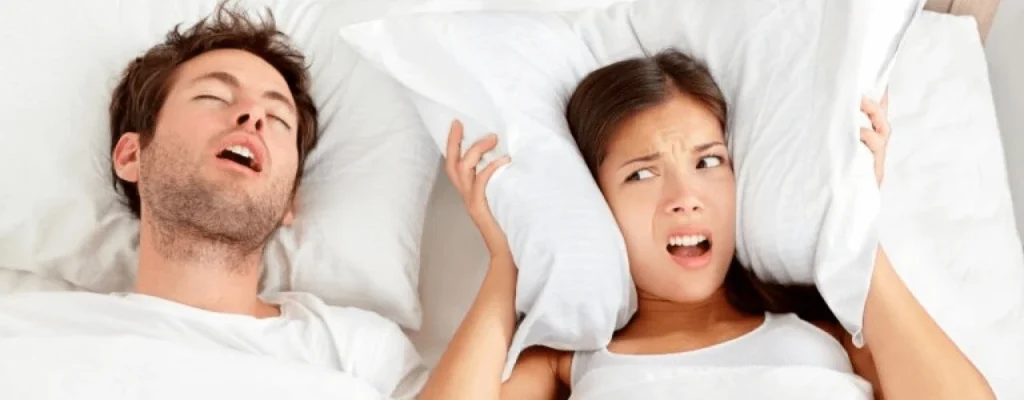
That scene is everywhere right now. People are talking about sleep like it’s a performance metric, a wellness trend, and a workplace survival tool all at once. And snoring sits right in the middle of it—because it wrecks sleep quality for two people, not one.
This guide keeps it simple. Use the if-then branches to decide whether an anti snoring mouthpiece makes sense, when nasal strategies matter, and when you should stop experimenting and get checked.
First: what snoring is (and why it feels louder lately)
Snoring usually happens when airflow gets turbulent as you sleep. Soft tissues vibrate. Sound happens. The “why now?” part often comes from modern life: travel fatigue, alcohol with late dinners, allergy seasons, weight changes, and burnout-driven sleep debt.
Also, the cultural focus on breathing has ramped up. Recent coverage has put a spotlight on nasal breathing and performance, which nudges people to ask a practical question: is the nose the bottleneck, or is the mouth/jaw the bottleneck?
Decision guide: If…then… pick your next move
If your nose is blocked at night, then start with airflow basics
If you’re congested, mouth-breathing becomes more likely. That can worsen snoring for some people. A simple routine can be worth testing before you buy anything:
- Address nighttime dryness and congestion triggers (heat, dust, seasonal allergies).
- Consider a gentle nasal hygiene routine. Some recent research headlines have discussed nasal spray approaches helping a subset of children with sleep-disordered breathing, which reinforces a broader point: nasal factors can matter.
- Try side-sleeping if you tend to end up flat on your back.
If you want a deeper read on the breathing/performance conversation, see this Could Your Nose Be Key to Better Performance?.
If you snore most when you sleep on your back, then treat it like a position problem
Back-sleeping can let the jaw and tongue fall backward. That narrows the airway and can increase vibration. If your partner says the snoring is “way worse” when you’re on your back, try:
- Side-sleep supports (pillows, positional aids).
- Earlier wind-down so you’re not crashing into deep sleep immediately after screens and stress.
If position changes help but don’t solve it, that’s a clue that jaw/tongue positioning may be part of the story—where a mouthpiece can be relevant.
If your snoring is steady and loud, then consider an anti-snoring mouthpiece
An anti snoring mouthpiece is typically designed to do one of two things:
- Advance the lower jaw slightly forward to reduce airway collapse (common design).
- Stabilize the tongue so it doesn’t fall back as easily (another approach).
People like mouthpieces because they’re “low-tech” compared with many sleep gadgets. They also travel well, which matters when jet lag and unfamiliar pillows make snoring flare up.
If you’re comparing products, start here: anti snoring mouthpiece.
If you wake up tired no matter what, then don’t treat this as “just snoring”
Snoring can be harmless, but it can also be a sign of obstructed breathing during sleep. If any of these show up, move from DIY to medical evaluation:
- Witnessed breathing pauses, choking, or gasping
- Morning headaches or dry mouth plus heavy daytime sleepiness
- High blood pressure concerns or strong family history of sleep apnea
For a plain-language overview of symptoms and causes, Mayo Clinic’s sleep apnea page is a solid starting point (and a reminder that persistent symptoms deserve professional attention).
If your relationship is taking the hit, then make it a two-person sleep plan
Snoring jokes land on social media because they’re relatable. In real life, they can turn into resentment fast—especially when both people are burned out and under-slept.
Try a simple agreement for one week:
- Pick one change to test (nasal routine, side-sleeping, or a mouthpiece).
- Track outcomes: “How many wake-ups?” and “How rested do we feel?”
- Reassess without blame. Treat it like troubleshooting, not a character flaw.
Quick checklist: Is a mouthpiece a good fit for you?
- Good candidate signals: snoring worse on your back, mouth-breathing, partner reports steady vibration sound, you wake with dry mouth.
- Proceed carefully if: you have jaw pain, TMJ issues, loose dental work, or significant tooth sensitivity.
- Stop and get checked if: choking/gasping, witnessed pauses, or severe daytime sleepiness.
FAQ: fast answers people are searching right now
Do anti-snoring mouthpieces work for everyone?
No. They’re most helpful when jaw/tongue position drives snoring. If nasal obstruction or sleep apnea is the main issue, results may be limited.
What’s the difference between a mouthguard and an anti-snoring mouthpiece?
A sports mouthguard protects teeth. An anti-snoring mouthpiece aims to change nighttime airway mechanics by repositioning the jaw or stabilizing the tongue.
Can nasal spray stop snoring?
It can help when congestion is the trigger. Headlines have highlighted nasal approaches helping a portion of children with sleep-disordered breathing, but the right fix depends on the cause.
How do I know if my snoring could be sleep apnea?
Look for loud habitual snoring plus choking/gasping, witnessed breathing pauses, or major daytime sleepiness. If present, seek medical evaluation.
Is an anti-snoring mouthpiece safe?
Many people tolerate them, but jaw soreness, tooth discomfort, and bite changes can happen. Persistent pain is a reason to stop and ask a clinician or dentist.
What if my partner snores and won’t try anything?
Make it easy to start. Agree on one small experiment for a week and measure sleep quality, not willpower.
CTA: pick your next step (without overthinking it)
If your snoring seems tied to jaw position, an anti-snoring mouthpiece is a reasonable next experiment. If you suspect nasal blockage, pair any mouthpiece plan with basic nose-friendly habits.
How do anti-snoring mouthpieces work?
Medical disclaimer: This article is for general education and does not provide medical advice or a diagnosis. If you have symptoms of sleep apnea (breathing pauses, choking/gasping, severe daytime sleepiness) or ongoing sleep problems, talk with a qualified healthcare professional.