
Before you try the next “sleep hack,” run this quick checklist:
- Is your snoring new or suddenly louder? (Travel fatigue, alcohol, congestion, or burnout can temporarily crank it up.)
- Is someone else losing sleep? (Relationship humor is real—so is resentment.)
- Are you waking up tired, foggy, or irritable? (That “workplace burnout” feeling can be worsened by fragmented sleep.)
- Have you seen viral trends like mouth taping? If you’re tempted, pause and read the safety section below.
Snoring is having a moment in the culture because sleep gadgets are everywhere, travel is back, and people are tracking everything. The goal isn’t a perfect score. It’s a calmer night and better sleep quality.
A decision guide (If…then…) for what to do next
If your snoring is occasional, then start with the easy “inputs”
If snoring shows up after late meals, drinks, or a red-eye flight, treat it like a short-term flare. Try a few low-effort adjustments for a week.
- If you snore more on your back, then test side-sleeping support (pillow placement or a positional aid).
- If you’re congested, then prioritize nasal comfort (humidity, shower steam, saline). Don’t force closed-mouth breathing.
- If your evenings are “scroll until sleep,” then set a simple wind-down cue (dim lights, same bedtime, phone out of reach).
These won’t fix every snore, but they reduce the background noise that makes everything worse.
If snoring is frequent and partner-impacting, then consider an anti snoring mouthpiece
If the snoring is most nights and your household is negotiating pillow walls, you need something more direct. This is where an anti snoring mouthpiece often enters the chat.
Many anti-snoring mouthpieces are designed to gently position the lower jaw forward during sleep. That can help keep the airway more open for some people. The best match depends on comfort, fit, and whether you can tolerate jaw positioning.
If you want to compare types, start here: anti snoring mouthpiece.
If you’re thinking about mouth taping, then read this first
Mouth taping has gone viral as a “quick fix.” Recent coverage has highlighted expert concerns and safety questions, especially for people who can’t reliably breathe through their nose all night.
- If you have nasal blockage, allergies, or frequent congestion, then skip mouth taping. You don’t want to gamble with airflow.
- If you wake up panicky or short of breath, then avoid anything that restricts breathing and seek medical advice.
- If your goal is less snoring, then use tools that don’t rely on forcing a single breathing route.
Trends move fast. Your airway shouldn’t be part of the experiment.
If snoring comes with daytime symptoms, then treat it as a health signal
Snoring can be just noise. It can also be a clue. If you see any of the items below, don’t stop at gadgets.
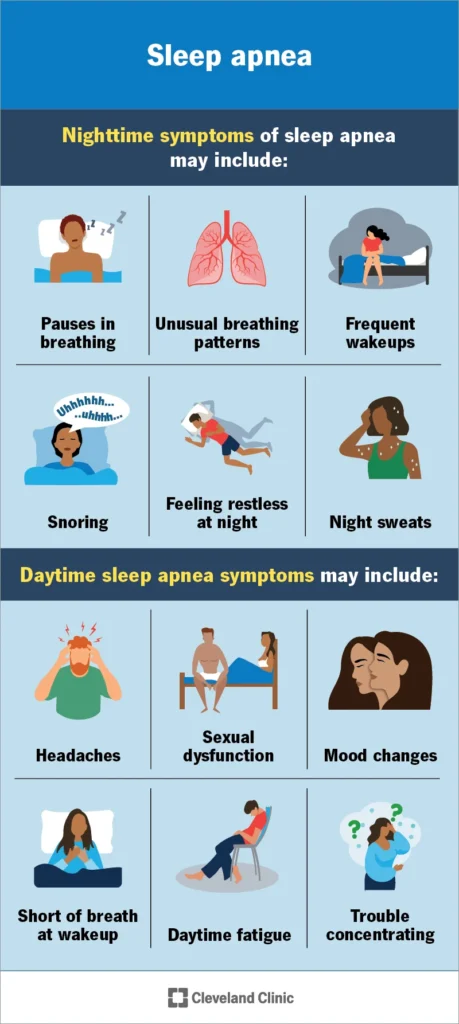
- If you’ve been told you stop breathing, gasp, or choke in sleep, then ask a clinician about sleep apnea screening.
- If you’re sleepy during the day, then don’t write it off as “busy season.” Sleep fragmentation adds up.
- If you have high blood pressure or morning headaches, then get checked. These can overlap with sleep-disordered breathing.
Dental sleep therapies are evolving, and professional guidance matters when obstructive sleep apnea is on the table. For broader context on what’s being discussed in dentistry right now, see: Scientists warn against viral nighttime mouth-taping trend.
How to choose a mouthpiece without overcomplicating it
Sleep shopping can feel like buying a mattress: too many claims, too many opinions. Keep it simple and focus on usability.
- If comfort is your top concern, then prioritize a design that feels stable and doesn’t require extreme jaw movement.
- If you have jaw sensitivity or TMJ history, then go cautiously and consider professional input before advancing the jaw.
- If you travel often, then look for something easy to pack and clean. Jet lag is hard enough without extra friction.
- If you share a bed, then pick an approach you can stick with. Consistency beats perfection.
Quick reality checks (so you don’t blame the wrong thing)
Snoring can spike during stressful weeks, after long flights, or when your routine gets shredded. That doesn’t mean you’re “broken.” It means your sleep system is under load.
Also, sleep trackers can amplify anxiety. Use the data to notice patterns, not to chase a flawless graph.
FAQ: fast answers on snoring and mouthpieces
Do anti-snoring mouthpieces work for everyone?
No. They often help some snorers, especially when jaw position contributes, but they aren’t universal.
Is mouth taping a safe alternative to stop snoring?
It can be risky for people who don’t breathe well through their nose. If you’re congested or have breathing concerns, avoid it and talk to a professional.
How long does it take to get used to a mandibular advancement mouthpiece?
Adaptation varies. Many people need multiple nights, and gradual use is common.
Can a mouthpiece help with sleep quality even if I don’t wake up?
It might. Reducing snoring can reduce sleep disruption for you or your partner, which can improve next-day energy.
When should I skip DIY and see a professional?
If you suspect sleep apnea symptoms—breathing pauses, gasping, or heavy daytime sleepiness—get evaluated.
Next step: pick the simplest option you’ll actually use
If your snoring is frequent and hurting sleep quality, a mouthpiece can be a practical middle ground between “do nothing” and “medical maze.” Start with a clear goal: quieter nights, fewer wake-ups, and better mornings.
How do anti-snoring mouthpieces work?
Medical disclaimer: This article is for general information only and is not medical advice. Snoring can be a symptom of obstructive sleep apnea or other conditions. If you have breathing pauses, choking/gasping, chest pain, severe daytime sleepiness, or ongoing concerns, seek evaluation from a qualified clinician or dentist trained in sleep medicine.