
Snoring is having a moment. Not the fun kind. The kind that turns “eight hours in bed” into two people scrolling in separate rooms.
Between sleep trackers, travel fatigue, and burnout headlines, more people are noticing how fragile sleep quality really is.
Here’s the thesis: treat snoring like a decision problem—screen for risk first, then pick the simplest tool that matches the cause.
First: a quick safety screen (don’t skip this)
Some snoring is “just snoring.” Some snoring is a sign your breathing may be disrupted during sleep. You don’t need to diagnose yourself, but you do need to notice red flags.
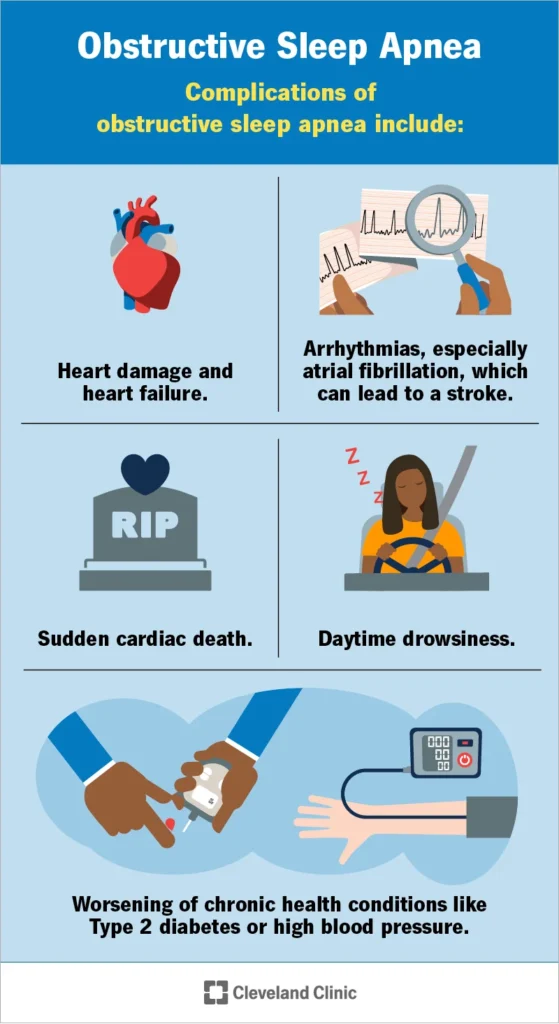
Get medical screening soon if you have any of these: witnessed pauses in breathing, choking/gasping, loud snoring most nights, morning headaches, high blood pressure, or strong daytime sleepiness.
If you’re already on CPAP and you’re still snoring, that’s also worth a check-in. Issues like mask fit, mouth leak, nasal blockage, and settings can matter. For a general overview of why that can happen, see Still Snoring With a CPAP Machine?.
The “If…then…” decision guide
Use these branches like a checklist. The goal is fewer variables, not more gadgets.
If your snoring is mostly on your back, then start with position + a simple trial
Back-sleeping can make soft tissues relax and narrow the airway. That’s why snoring sometimes spikes after a red-eye flight, a long workweek, or a couple of drinks.
Try a position change first for a week. If you also want a direct, mechanical option, an anti snoring mouthpiece may help some people by gently holding the jaw forward during sleep.
If your partner says the snoring is “all night, every night,” then prioritize screening
Relationship humor about “sleep divorce” lands because it’s common. But persistent, loud snoring can be more than a nuisance.
If you’re tired in the daytime, nod off easily, or wake up unrefreshed, treat that as data. A clinician can assess whether sleep apnea is a concern and what options fit your situation.
If you wake with a dry mouth, then consider mouth breathing and leak
Dry mouth often points to sleeping with your mouth open. That can worsen snoring and fragment sleep.
Look at nasal comfort, hydration, and bedroom air. If you use CPAP, mouth leak is a common culprit and should be discussed with your sleep team. If you don’t use CPAP, a mouthpiece may still be an option depending on your dental and jaw health.
If congestion drives your bad nights, then address airflow before you buy another gadget
Health news has highlighted interest in simple approaches like nasal moisture and clearing nasal passages, including research discussions around saline for children with sleep-related breathing issues. That doesn’t mean it’s the right move for everyone.
For adults, focus on basics that improve nasal breathing comfort. For children, suspected sleep apnea symptoms should be evaluated by a pediatric clinician rather than treated at home.
If you have jaw pain, dental work, or TMJ issues, then get dental input before using a mouthpiece
Mouthpieces change how your jaw sits overnight. That’s the point, and it’s also the risk.
Stop and ask a dentist or clinician if you have TMJ pain, loose teeth, gum disease, significant dental restorations, or you’re currently in orthodontic treatment. Safety first also means documenting what you tried and what happened (comfort, snoring volume, morning symptoms).
If you want a non-gadget, low-drama next step, then consider a mouthpiece trial (with guardrails)
Many people are burned out on optimizing everything. Sleep becomes another dashboard, and the stress backfires.
If you’re a reasonable candidate, a mouthpiece trial can be a straightforward experiment: wear it consistently, track comfort, and reassess after 10–14 nights. If you’re shopping, start here: anti snoring mouthpiece.
What to watch while you test an anti snoring mouthpiece
Keep it simple. Your goal is better sleep quality, not perfect metrics.
- Partner feedback: fewer nudges, fewer room changes, less “I heard you from the hallway.”
- Morning feel: less dry mouth, fewer headaches, less grogginess.
- Comfort: jaw soreness, tooth pressure, or bite changes are stop signs.
- Consistency: a mouthpiece that lives in the drawer can’t help.
FAQ
Can an anti snoring mouthpiece improve sleep quality?
It can, especially when snoring is related to airway narrowing during sleep. Results vary, so treat it as a time-boxed trial and reassess.
Is snoring always sleep apnea?
No. But if snoring comes with gasping, pauses, or major daytime sleepiness, get screened.
Can CPAP users still snore?
Yes. Fit, leak, nasal blockage, and settings can contribute. Work with your clinician before making changes.
What side effects should make me stop using a mouthpiece?
Stop if you develop jaw pain, tooth pain, new headaches, or bite changes. Ask a dentist or clinician for guidance.
Do mouthpieces work if my issue is congestion?
They may not address nasal blockage directly. Improving nasal comfort and airflow can be a better first step when congestion is the main trigger.
CTA: make the next step easy
If your snoring seems positional or jaw-related—and you’ve screened for red flags—a mouthpiece trial may be a practical next move.
How do anti-snoring mouthpieces work?
Medical disclaimer: This article is for general education only and is not medical advice. Snoring can be a symptom of sleep apnea or other conditions. If you have breathing pauses, choking/gasping, significant daytime sleepiness, chest pain, or concerns about a child’s sleep, seek evaluation from a qualified clinician.