
- Snoring is a sleep-quality problem before it’s a “noise” problem.
- Gadgets are trending, but the right fix depends on where airflow narrows (nose vs. throat vs. jaw/tongue).
- An anti snoring mouthpiece is most relevant when jaw/tongue position is part of the issue.
- Nasal options can be worth a try when congestion or nasal resistance is the main story.
- Red flags matter: pauses in breathing, gasping, or severe daytime sleepiness = get evaluated.
Sleep has become a full-on culture topic: wearable scores, smart rings, white-noise machines, “sleep tourism,” and the jokes couples make about who “chainsaws” at night. Add travel fatigue and workplace burnout, and people want a fast answer, not a lecture.
This post is that fast answer. Use the decision guide below to pick a next step without overcomplicating it.
First, rule out the stuff you shouldn’t ignore
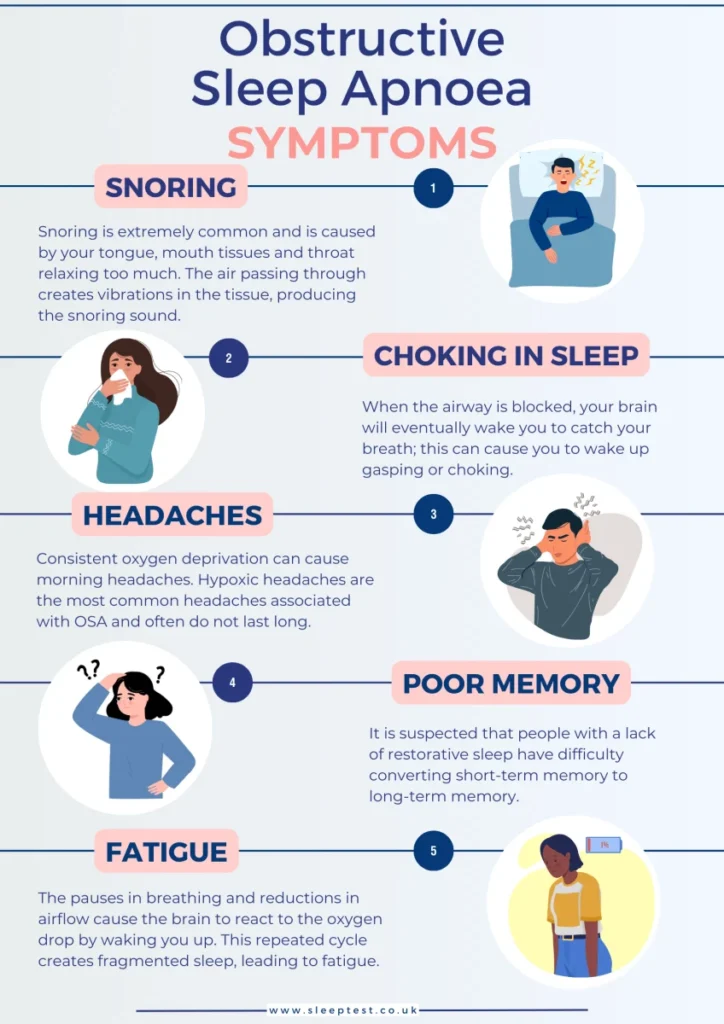
Snoring can be benign. It can also show up alongside sleep-disordered breathing. If you notice choking/gasping, witnessed breathing pauses, morning headaches, or strong daytime sleepiness, don’t treat it like a simple annoyance.
If you want a mainstream overview of symptoms and causes, review a clinical resource like Mayo Clinic’s sleep apnea guidance, then bring your symptoms to a clinician for proper screening.
The “If…then…” decision guide (pick your lane)
If your nose feels blocked at night, then start with nasal airflow
When congestion, allergies, or chronic nasal issues dominate your nights, you may be fighting airflow before you even get to the throat. That’s why nasal dilators keep popping up in sleep conversations and recent research roundups.
To see what the research conversation looks like at a high level, you can scan this Clinical Effectiveness of Nasal Dilators in Sleep-Disordered Breathing: A Systematic Review and Meta-Analysis.
Practical takeaway: if your snoring spikes during colds, allergy seasons, or dry hotel rooms, nasal approaches may be a logical first experiment. If nasal surgery or chronic rhinosinusitis is part of your history, discuss sleep changes with your ENT or clinician.
If you snore most on your back, then treat position like a “switch”
Back-sleeping often makes snoring louder because gravity encourages soft tissue to relax backward. People buy fancy sleep gadgets for this, but low-tech cues can work too.
Try a consistent routine for a week: side-sleeping support, stable bedtime, and reduced late alcohol. Then reassess. If the snoring barely changes, move to the next branch.
If your partner says it’s worst after stress, then treat recovery like a plan
Burnout sleep is real-life messy: late emails, doomscrolling, and waking up feeling like you never powered down. Snoring can ride along with fragmented sleep and shallow recovery.
Make one change you’ll actually keep: a cutoff time for screens, a wind-down ritual, and a stable wake time. If the noise still wrecks the room, consider a device-based approach.
If you suspect the jaw/tongue is the issue, then consider an anti snoring mouthpiece
This is the common “I’m fine until I relax, then the snoring starts” scenario. An anti snoring mouthpiece is designed to influence jaw and/or tongue position to help keep the airway more open during sleep.
People like these because they’re portable. They also fit the travel-fatigue problem: new beds, dry air, and jet lag can make snoring more noticeable, especially in tight hotel rooms.
If you’re comparison shopping, start here: anti snoring mouthpiece. Focus on comfort, fit, and whether you can adjust gradually.
If you’re tempted by mouth taping, then slow down and check the basics
Mouth taping is in the headlines because it’s simple and “biohacky.” The problem is that simple doesn’t always mean appropriate. If you can’t breathe well through your nose, forcing your mouth closed can be a bad idea.
If you’re curious, treat it as a discussion topic with a clinician, not a replacement for evaluating snoring causes.
How to choose without buyer’s remorse
- Pick one variable to test for 7–14 nights (not five gadgets at once).
- Track two outcomes: your sleep quality (how you feel) and the snoring impact (partner report or recording).
- Stop if pain shows up, especially jaw pain, tooth pain, or worsening sleep.
FAQ (quick answers)
Do anti-snoring mouthpieces work for everyone?
No. They’re a better fit when jaw/tongue position contributes to snoring, and less reliable when another condition drives the problem.
Is loud snoring always sleep apnea?
No, but loud frequent snoring plus choking/gasping, witnessed pauses, or strong daytime sleepiness should be evaluated by a clinician.
What’s the difference between a mouthpiece and a nasal dilator?
Mouthpieces target jaw/tongue position. Nasal dilators target nasal airflow, which may matter more when congestion or nasal resistance is the main issue.
Can mouth taping replace a mouthpiece?
It’s a trend, not a universal solution. If nasal blockage or sleep apnea is possible, talk with a clinician before trying it.
How long does it take to get used to an anti-snoring mouthpiece?
Often a short adjustment period is needed. Fit and comfort vary, so ease in and stop if you develop pain.
CTA: make your next step simple
If your snoring seems tied to jaw/tongue position and you want a portable option that fits real life (including travel), explore mouthpiece choices and compare features that affect comfort.
How do anti-snoring mouthpieces work?
Medical disclaimer: This article is for general education only and is not medical advice. Snoring can be a sign of a medical condition, including sleep apnea. If you have breathing pauses, gasping, severe daytime sleepiness, chest pain, or concerns about safety, seek evaluation from a qualified clinician.