
Before you try another snoring fix tonight, run this quick checklist:
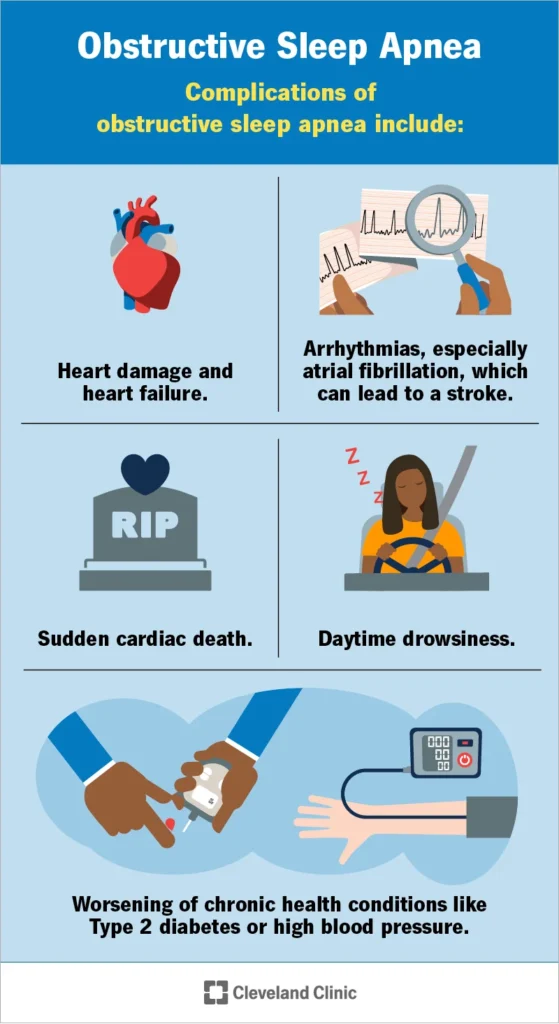
- Screen for red flags: choking/gasping, witnessed pauses in breathing, severe daytime sleepiness, morning headaches, or high blood pressure.
- Know your goal: quieter sleep, fewer wake-ups, or less dry mouth. Each points to a different approach.
- Pick one change at a time: stacking gadgets makes it hard to tell what helped (and what caused soreness).
- Plan for comfort: jaw pain, tooth pressure, or gum irritation means you should pause and reassess fit.
- Document it: note bedtime, alcohol, congestion, travel, and how you felt the next day. It reduces guesswork.
Why is everyone talking about snoring and sleep gadgets right now?
Sleep has turned into a full-on consumer category. People swap “sleep stack” tips the way they used to share coffee orders. Wearables score your night. Travel schedules wreck routines. Workplace burnout makes every bad night feel louder.
That’s why anti-snore devices keep trending in headlines and roundups. The vibe is simple: people want quieter nights without turning the bedroom into a clinic.
If you want a broad, mainstream snapshot of what’s being discussed, scan this roundup-style coverage: Shop Micro Electric CPAP Noise Anti Snoring Device Sleep Apnea Stop Snore Aid Stopper – BLUE – Dick Smith. Use it as a starting map, not a diagnosis.
What does snoring do to sleep quality (beyond the jokes)?
Snoring isn’t just a punchline about “who gets the couch.” It can fragment sleep for the snorer, the partner, or both. Even small arousals can add up, especially when stress is already high.
People often notice it first during life changes: new job pressure, new baby schedules, weight shifts, allergy seasons, or frequent travel. That “hotel sleep” fatigue can make snoring feel worse because you’re lighter-sleeping and more reactive to sound.
When is an anti snoring mouthpiece a reasonable first step?
An anti snoring mouthpiece is often considered when snoring seems tied to airflow narrowing from jaw or tongue position. Many shoppers like it because it’s non-electric, portable, and doesn’t require a full bedside setup. It also fits the current “sleep minimalism” trend: one device, not five apps.
Still, treat it like a piece of personal medical-adjacent equipment. Fit and comfort matter. So does screening for sleep apnea risk, because a mouthpiece is not the same thing as treating a breathing disorder.
Signs a mouthpiece may be worth trying
- Snoring is positional (worse on your back).
- You wake with dry mouth, but you can breathe through your nose most nights.
- Your partner reports snoring without frequent choking or gasping.
- You want a travel-friendly option for work trips.
Signs you should pause and get screened instead
- Witnessed breathing pauses, choking/gasping, or very loud snoring with daytime sleepiness.
- Waking up unrefreshed despite enough time in bed.
- High blood pressure or other cardiometabolic risk factors.
- New or worsening symptoms after starting a device.
What about the other trending fixes (tape, straps, “micro” devices)?
Headlines rotate fast: mouth taping, chin straps, compact anti-snore gadgets, and CPAP-adjacent products all get attention. The common theme is convenience. People want something that feels simpler than a full medical pathway.
Convenience can be helpful, but it can also hide risk. Any approach that could restrict airflow deserves extra caution, especially if you’re congested, you drink alcohol at night, or you suspect sleep apnea. If you try a new tool, keep the rest of your routine steady for a week so you can judge results clearly.
How do you choose a mouthpiece without wasting money?
Stay focused on two outcomes: comfort and consistency. A device that works “in theory” but hurts your jaw won’t improve sleep quality. It will just add another reason to wake up at 3 a.m.
Use a simple decision record to reduce buyer’s-remorse risk:
- Night 1–3: comfort notes (jaw, teeth, gums), drooling/dryness, and whether you removed it overnight.
- Night 4–7: partner feedback, your morning alertness, and any headaches.
- Stop rules: persistent jaw pain, tooth pain, gum sores, or worsening sleep.
A combo approach: mouthpiece plus chin support
Some people look for a combined setup to address mouth-breathing patterns and jaw position together. If that’s the direction you’re researching, here’s a relevant option to compare: anti snoring mouthpiece.
How do you keep it safe and hygienic (the part people skip)?
Safety is mostly boring habits. It’s also where many problems start. Don’t share oral devices. Keep the device clean and dry between uses. Replace it if it cracks, warps, or develops rough edges that irritate gums.
If you have gum disease, loose teeth, significant TMJ issues, or ongoing dental pain, ask a dentist or clinician before using a mouthpiece. That’s not gatekeeping. It’s risk control.
What should you track to prove it’s improving sleep health?
Don’t rely on one “sleep score” alone. Use a few simple markers that match real life:
- Partner report: fewer nudges, fewer room changes, fewer jokes about “chainsaw mode.”
- Morning function: less grogginess, fewer headaches, better focus.
- Night continuity: fewer awakenings and less time spent scrolling at 2 a.m.
- Travel resilience: whether it still helps after a late flight or a new hotel pillow.
FAQ: quick answers before you buy
Is snoring always a mouth-breathing problem?
No. Snoring can come from multiple airway factors. That’s why one-size-fits-all “hacks” often disappoint.
Can I use a mouthpiece if I’m congested?
Be cautious. If nasal breathing is limited, anything that changes your usual breathing pattern may feel worse. Consider addressing congestion first and talk with a clinician if symptoms persist.
Do I need a doctor to buy a mouthpiece?
Not always. But you should get evaluated if you have sleep apnea warning signs or significant daytime impairment.
Medical disclaimer: This article is for general education and does not provide medical advice, diagnosis, or treatment. If you suspect sleep apnea or have severe snoring with choking/gasping, daytime sleepiness, chest pain, or persistent jaw/tooth pain, seek care from a qualified clinician.