
Is snoring just “annoying,” or is it a sleep-quality problem? It can be both. Snoring often signals airflow resistance, and that can fragment sleep for you and anyone within earshot.
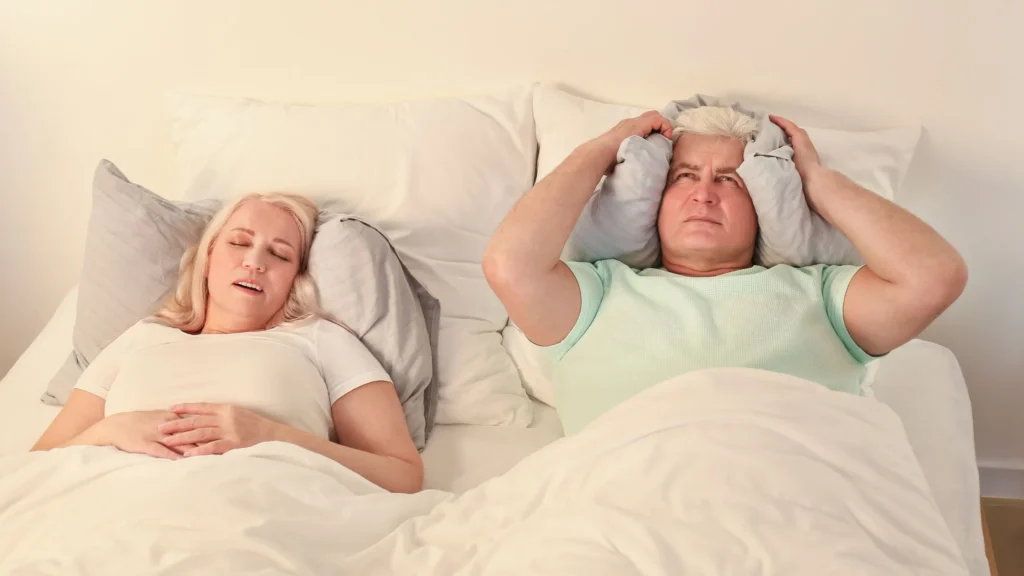
Are anti-snoring mouthpieces worth trying when sleep gadgets are everywhere? Sometimes, yes. A mouthpiece is low-tech, but it targets a common mechanical cause: jaw and tongue position.
How do you try one without guessing, wasting money, or missing a bigger health issue? Use a simple plan: screen first, set up the right supplies, then run a short, trackable trial.
Overview: what people are talking about (and why it matters)
Sleep is having a moment. You see it in wearables, “sleep score” apps, travel-recovery hacks, and the jokes couples make about who “chainsaws” at night. You also hear it at work, where burnout and short sleep show up as brain fog and irritability.
Recent sleep coverage keeps circling the same themes: basic sleep habits still matter, shift work makes everything harder, and snoring solutions are evolving. There’s also ongoing interest in new anti-snoring devices being tested in clinical research. The takeaway is simple: people want practical fixes, but they also want safety and real results.
If you want a general snapshot of what’s being discussed in mainstream sleep coverage, see this These Are the Sleep Tips Experts (And Science!) Actually Back.
Timing: when a mouthpiece makes sense (and when it doesn’t)
Good times to consider an anti-snoring mouthpiece
Try a mouthpiece when snoring is frequent, your partner reports positional patterns (worse on your back), and you want a non-drug option. It’s also a reasonable move if travel fatigue or irregular schedules are making your sleep lighter and snoring more noticeable.
It can also fit well if you’ve already tightened up basics like alcohol timing, nasal comfort, and a consistent wind-down. Then you’re not asking a single product to fix everything.
Pause and screen first
Don’t treat loud snoring as a “relationship problem” only. It can be a health signal, especially when paired with daytime sleepiness or witnessed breathing pauses.
- Get evaluated if you choke/gasp in sleep, have witnessed pauses, or wake with headaches.
- Screen sooner if you have high blood pressure, significant daytime sleepiness, or you’re a night-shift worker struggling with recovery.
- If you have jaw pain, loose teeth, gum disease, or dental work in progress, check with a dentist before using a device that moves the jaw.
Supplies: what to gather before you start
Skip the “buy it and hope” approach. Set up a small kit so you can test safely and document what happens.
- Your device (the mouthpiece you plan to trial).
- Cleaning basics: a toothbrush dedicated to the device, mild soap, and a ventilated case.
- Tracking: a simple notes app log, plus a snore recording app or wearable trend data (optional).
- Comfort helpers: water at bedside, and saline spray if nasal dryness is common.
If you’re comparing choices, start here: anti snoring mouthpiece.
Step-by-step (ICI): Identify → Choose → Implement
I — Identify your snoring pattern (3 quick checks)
Check 1: Position. Is it worse on your back? If yes, jaw/tongue position may be part of the story.
Check 2: Timing. Does it spike after late meals, alcohol, or when you’re overtired from travel? Those patterns matter because you can change them.
Check 3: Red flags. If there are pauses, gasping, or heavy daytime sleepiness, prioritize screening for sleep apnea rather than only device shopping.
C — Choose the right category (don’t overcomplicate it)
Most anti-snoring mouthpieces fall into two buckets:
- Mandibular advancement: gently brings the lower jaw forward to help keep the airway more open.
- Tongue-retaining: helps keep the tongue from collapsing backward.
Your comfort, dental health, and tolerance for jaw movement should drive the decision. If you already have jaw tightness, be conservative and stop if symptoms escalate.
I — Implement a 14-night trial you can actually trust
Night 1–3: Fit and comfort first. Aim for “wearable” before you chase perfect snore elimination. If you can’t keep it in, it can’t help.
Night 4–10: Track two outcomes. (1) Partner-rated snoring volume or your app recordings. (2) How you feel the next day: sleepiness, focus, morning dry mouth.
Night 11–14: Adjust and confirm. If your device allows small changes, adjust gradually. Document each change so you know what helped versus what just felt different.
Decision rule: If snoring improves but daytime fatigue doesn’t, don’t ignore that mismatch. It can be a sign you need broader sleep evaluation.
Mistakes that waste the trial (or add risk)
1) Treating snoring like a joke when symptoms look serious
Relationship humor is normal. Still, loud snoring plus choking/gasping is not a punchline. Screen for sleep apnea if the pattern fits.
2) Going “all in” on gadgets while basics collapse
Wearables and smart alarms can be useful, but they can’t outsmart late caffeine, irregular bedtimes, or consistent sleep restriction. Keep the plan simple and repeatable.
3) Forcing the jaw forward too fast
More isn’t always better. Over-advancement can trigger jaw soreness, tooth discomfort, or headaches. Small changes beat aggressive ones.
4) Poor cleaning and storage
This is a mouth-worn device. Clean it daily and let it dry in a ventilated case. Replace it if it degrades, cracks, or develops persistent odor.
5) No documentation
If you don’t write down what you changed, you can’t learn from it. Tracking also helps if you later talk with a dentist or sleep clinician.
Medical disclaimer (read this)
This article is for general education only and is not medical advice. It does not diagnose, treat, or cure any condition. If you have symptoms of sleep apnea (breathing pauses, gasping, significant daytime sleepiness), jaw disorders, or dental problems, consult a qualified clinician or dentist before using an oral device.
FAQ: quick answers before you buy
Is snoring always a health problem?
No, but it can be a clue. The risk rises when snoring is loud, frequent, and paired with choking/gasping or heavy daytime sleepiness.
Will a mouthpiece fix sleep quality by itself?
It can help if snoring is disrupting sleep. Sleep quality still depends on schedule, stress, substances, and underlying conditions.
What if I work nights?
Shift work can amplify sleep disruption. Keep your sleep window protected, manage light exposure, and consider screening if fatigue persists even when snoring improves.
CTA: take the next step (without guessing)
If snoring is hurting sleep at home, on trips, or during high-stress work weeks, run a short, trackable trial with a mouthpiece and a screening mindset. Start with a device that matches your comfort needs, then test it for two weeks and document changes.