
- Snoring is a sleep-quality problem, not just a noise problem.
- Fit beats hype. A “best” gadget fails if it’s uncomfortable.
- Airway basics matter: nose comfort, tongue position, and jaw alignment.
- Cleanup is part of performance. A dirty mouthpiece gets skipped.
- If symptoms look like sleep apnea, treat it as a health issue, not a DIY challenge.
Sleep tech is everywhere right now—rings, apps, sunrise alarms, “smart” pillows. Meanwhile, the oldest sleep disruptor keeps showing up in group chats: snoring. It’s the travel-fatigue souvenir nobody wants, and it’s also prime relationship-humor material… until the next morning hits and everyone feels wrecked.
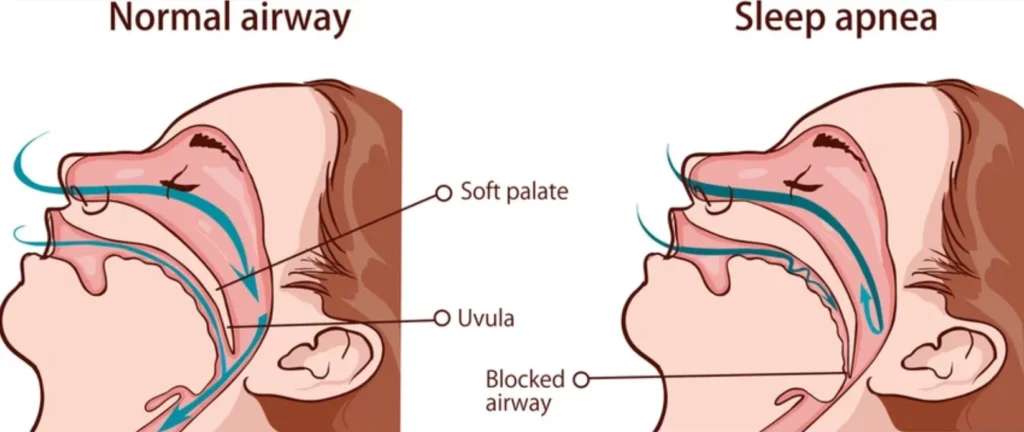
This is the practical guide people ask for: how snoring links to sleep quality, where an anti snoring mouthpiece fits in, and what to do so you actually keep using it.
Why does snoring feel like it ruins your whole next day?
Snoring often goes hand-in-hand with fragmented sleep. Even if you don’t fully wake up, your sleep can get lighter and less restorative. That shows up as brain fog, irritability, and “why is my coffee not working” energy.
Burnout culture makes this worse. When you’re already running on empty, a few more nights of broken sleep can feel brutal at work. The fix isn’t always a new app. Sometimes it’s a simple mechanical change that keeps airflow steadier.
When snoring is more than a nuisance
Some headlines have been highlighting the bigger health conversation around breathing at night and the heart. The takeaway: loud, frequent snoring plus symptoms like gasping, choking, or heavy daytime sleepiness deserves real attention.
If you suspect sleep apnea, don’t guess. Get screened. A mouthpiece can help some people, but it’s not a substitute for medical evaluation when red flags are present.
What causes snoring in plain terms?
Snoring is vibration. Air moves through a narrowed space, tissues flutter, and sound happens. The “narrowing” can come from a few common places:
- Nasal congestion (temporary colds, allergies, dry hotel air).
- Open-mouth sleeping that changes tongue and jaw posture.
- Back sleeping where gravity pulls soft tissue backward.
- Alcohol or sedatives that relax airway muscles more than usual.
That’s why snoring spikes during travel. New pillows, late meals, dehydration, and different sleep positions stack the deck.
How does an anti snoring mouthpiece work?
Most anti-snoring mouthpieces aim to improve airflow by changing positioning. The most common style is a mandibular advancement device (MAD). It holds the lower jaw slightly forward, which can help keep the airway more open for some sleepers.
Another approach focuses on tongue positioning. Either way, the goal is the same: reduce collapse and vibration so airflow stays smoother.
What it should feel like (and what it shouldn’t)
- Good: snug but not painful, stable when you relax, minimal gagging.
- Not good: sharp jaw pain, numbness, headaches that build, or a bite that feels “off” for hours.
Comfort decides compliance. If it’s miserable, it won’t last past week one—no matter how good the reviews look.
What are people talking about right now besides mouthpieces?
Two themes keep popping up in sleep coverage: airway basics and “simple interventions.” You’ll see general interest in nasal comfort strategies and low-risk routines that help people breathe easier at night.
For example, there’s been discussion in the news about saline nasal spray and pediatric sleep-breathing symptoms. That doesn’t mean it’s a universal fix, and it’s not a replacement for medical care. Still, it matches what many sleepers notice: when the nose is happier, sleep often improves.
If you want to read more on that general topic, here’s a relevant reference: Saline nasal spray found to ease sleep apnea symptoms in children.
How do you get a mouthpiece to fit without hating it?
Think “tiny adjustments, consistent routine.” People often fail by going too aggressive on night one, then quitting after a sore morning.
ICI basics: insert, comfort, incremental
- Insert: Follow the manufacturer’s steps exactly (especially for boil-and-bite styles). Don’t rush the molding.
- Comfort: Aim for a secure seal and stable position. If you feel pressure points, remold if allowed.
- Incremental: If it advances the jaw, start conservatively and increase only if needed.
Positioning tips that pair well with a mouthpiece
- Side-sleep support: A pillow that prevents rolling onto your back can reduce snoring triggers.
- Nasal comfort: If you’re stuffy, address that first so you aren’t forced into mouth breathing.
- Jaw relaxation: If you clench, you may need a gentler setup and slower ramp-up.
What about mouth breathing and “keeping the mouth closed”?
Many couples can describe the pattern: mouth falls open, snoring gets louder, everyone loses. If open-mouth sleeping is part of your snoring, a combo approach may help.
One option people search for is an anti snoring mouthpiece. The idea is straightforward: support jaw position and reduce the chance of mouth breathing.
Not everyone needs a chinstrap, and comfort still rules. If you feel restricted or anxious, stop and reassess.
How do you clean a mouthpiece fast (so you don’t quit)?
Make it a 60-second habit. Skipping cleaning leads to odor, buildup, and irritation—then the device ends up in a drawer.
Quick cleanup routine
- Rinse with cool water right after use.
- Brush gently with mild soap (not abrasive toothpaste unless the brand says it’s ok).
- Air-dry completely before storing.
Also: keep the case clean. A clean mouthpiece stored in a dirty case is still a problem.
When should you skip DIY and talk to a clinician?
- You wake up gasping or choking.
- You have significant daytime sleepiness or morning headaches.
- Your partner notices breathing pauses.
- You have heart-related risk factors and loud, persistent snoring.
Medical disclaimer: This article is for general education and does not provide medical advice, diagnosis, or treatment. If you think you may have sleep apnea or another sleep-related breathing disorder, seek evaluation from a qualified clinician.
FAQ: quick answers before you buy
Scroll back up for the full FAQ list, including comfort, cleaning, mouth breathing, and sleep apnea screening.
Ready to compare options and get practical next steps?