
Myth: If you snore, you just need the newest sleep gadget.
Reality: Snoring is often a simple airflow + anatomy problem, and the most practical fix can be unglamorous. An anti snoring mouthpiece is one of the most talked-about options because it targets jaw and tongue position, not just “sleep vibes.”
Right now, sleep health is everywhere—smart rings, white-noise machines, viral “sleep stacks,” and burnout-era conversations about being tired all the time. Add travel fatigue and a partner who has started joking about “moving to the couch,” and snoring stops being funny fast.
Overview: where mouthpieces fit in today’s snoring talk
Recent roundups and expert-commentary pieces keep circling back to the same idea: start with the highest-impact, lowest-drama steps. That’s why anti-snore devices, including mouthpieces, keep showing up in “best of” lists and consumer guides.
At the same time, there’s also ongoing interest in alternatives like nasal dilators, which aim to improve nasal airflow for some people. The bigger point: snoring isn’t one-size-fits-all, so your plan should be flexible and budget-aware.
If you want a quick scan of what’s being discussed in the broader anti-snore device space, see this: Europe Anti-snoring Device Market Size and Forecast 2025–2033.
Timing: when to try a mouthpiece (and when to pause)
Good time to test one
- Your snoring is worse on your back, after alcohol, or when you’re overtired.
- Your partner reports loud snoring, but you don’t have obvious red-flag symptoms.
- You want a practical at-home experiment before spending more on sleep tech.
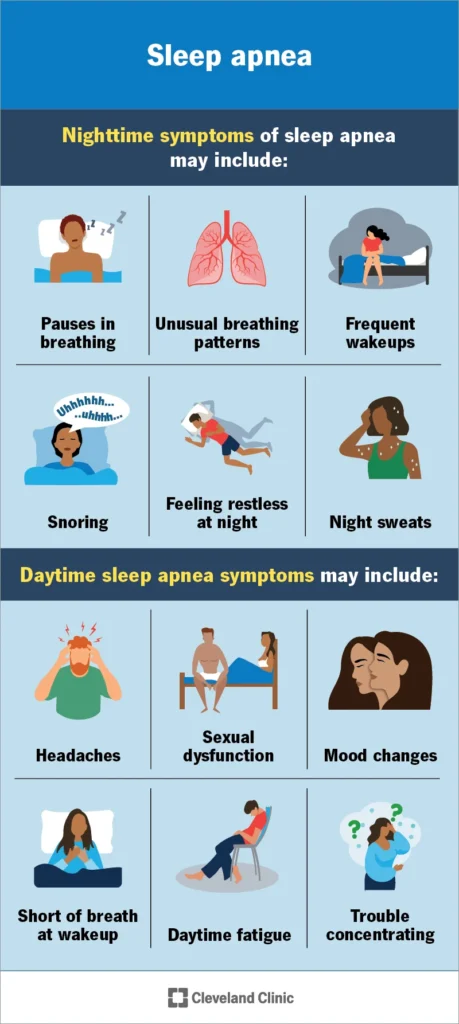
Hit pause and get medical input if
- You gasp, choke, or stop breathing during sleep (as observed by someone else).
- You have significant daytime sleepiness, morning headaches, or high blood pressure concerns.
- You have ongoing jaw pain, loose teeth, or major dental work that could be affected.
Supplies: what you need for a no-waste setup
- The mouthpiece: a reputable model with clear fitting instructions and return options if possible.
- A mirror + timer: you’ll fit it more accurately when you can see what you’re doing.
- A notebook note or phone note: track snoring reports and how you feel in the morning.
- Basic comfort helpers: water at bedside, lip balm if you mouth-breathe, and a case for hygiene.
If you’re comparing models, start here for a simple overview of anti snoring mouthpiece.
Step-by-step (ICI): the at-home plan that keeps you honest
This is an ICI approach: Identify the pattern, Change one variable, then Iterate based on results.
1) Identify your snoring pattern (3 nights)
- Ask your partner for a simple rating: quiet / moderate / loud.
- Note sleep position (back vs side), alcohol, congestion, and bedtime.
- Write down morning outcomes: dry mouth, jaw stiffness, energy level.
Keep it boring on purpose. The goal is a baseline, not a perfect diagnosis.
2) Change one thing: fit and wear the mouthpiece (7–14 nights)
- Follow the fitting steps exactly. Don’t “wing it” because you’re tired.
- Use the smallest effective adjustment if the design allows titration.
- Start gradually if needed: short wear while winding down, then full night.
Travel week? Still doable. Mouthpieces are low-luggage and don’t need charging, which is why people bring them when jet lag and hotel pillows amplify snoring.
3) Iterate: evaluate results like a grown-up (not like a scroll addict)
- If snoring drops and you feel better, keep the settings stable for another week.
- If snoring improves but jaw feels sore, reduce adjustment or wear time and reassess.
- If nothing changes after a fair trial, stop throwing money at it and consider other causes.
Sleep trends come and go. Your scorecard is simple: less noise, better sleep quality, fewer tired mornings.
Mistakes that waste money (and sleep)
Buying based on hype instead of fit
A mouthpiece that doesn’t seal to your bite or feels unstable won’t get a fair test. Comfort matters because you can’t benefit from something you won’t wear.
Over-adjusting on night one
More forward jaw position is not automatically better. Too much change too fast can trigger jaw soreness and make you quit early.
Ignoring the “mouth breathing” clue
Dry mouth and open-mouth sleeping can change how any device feels. You may need to address nasal comfort and bedroom humidity so you can keep your mouth closed more naturally.
Turning it into a relationship argument
Snoring is a shared problem in shared sleep. Keep the tone light. Treat it like a two-week experiment, not a character flaw.
FAQ: quick answers before you shop
Is a mouthpiece the same as a mouthguard?
Not exactly. Some products look similar, but anti-snoring mouthpieces are designed to influence jaw/tongue position to reduce airway obstruction.
Can I combine a mouthpiece with other sleep tools?
Often, yes. Many people pair a mouthpiece with side-sleep strategies, nasal comfort tools, or basic sleep hygiene. Introduce changes one at a time so you know what helped.
How do I know it’s improving sleep quality?
Look for fewer wake-ups, less dry mouth, better morning energy, and a partner reporting less snoring. Wearables can help, but your symptoms still matter.
CTA: make your next step simple
If you’re done experimenting with random sleep gadgets and want a practical starting point, focus on fit, comfort, and a short trial window.
How do anti-snoring mouthpieces work?
Medical disclaimer: This article is for general education and does not provide medical advice. Snoring can be a symptom of obstructive sleep apnea or other conditions. If you have breathing pauses, choking/gasping, severe daytime sleepiness, chest pain, or persistent jaw/tooth pain, seek guidance from a qualified clinician or dentist.